Guides
3D Printing at the Heart of Automotive Interior Design
While additive manufacturing has proven its worth in the production of spare parts, tooling and finished parts for the automotive sector, it is also very popular for vehicle interiors. The car’s interior is an increasingly important space for the driver:…
- 3 min read
- Guides
- Six more stories
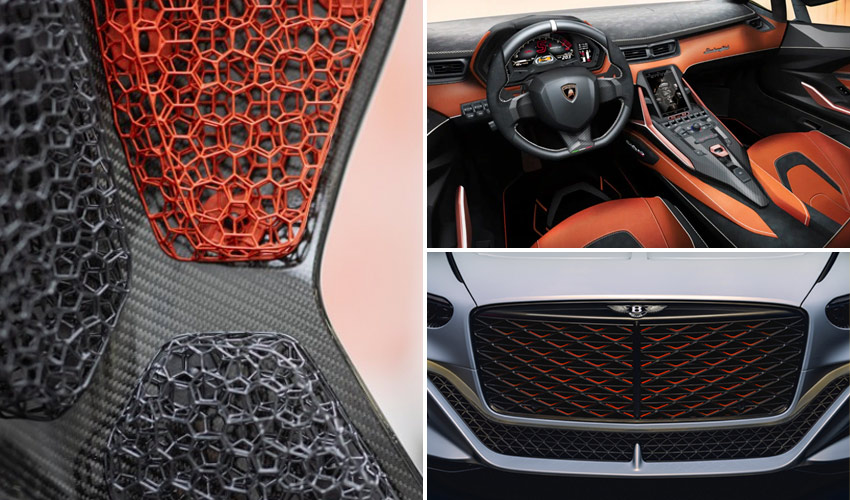
While additive manufacturing has proven its worth in the production of spare parts, tooling and finished parts for the automotive sector, it is also very popular for vehicle interiors. The car’s interior is an increasingly important space for the driver: they are looking for comfortable, practical and efficient functions, but also a certain style. While some drivers are completely indifferent to design when it comes to driving, others feel that the dashboard, seats, gearshift lever, etc. should stand out from the crowd. Carmakers are therefore striving to create luxury interiors with new details that will make all the difference. To achieve this, many are relying on the flexibility of 3D printing. As we all know, it not only enables greater personalization, but also the design of complex shapes. From 3D printed headrests to revamped dashboards and personalized accessories, here are just a few applications of 3D printing in automotive interior design.
Alpine Integrates 3D Parts into Its Electric Vehicle
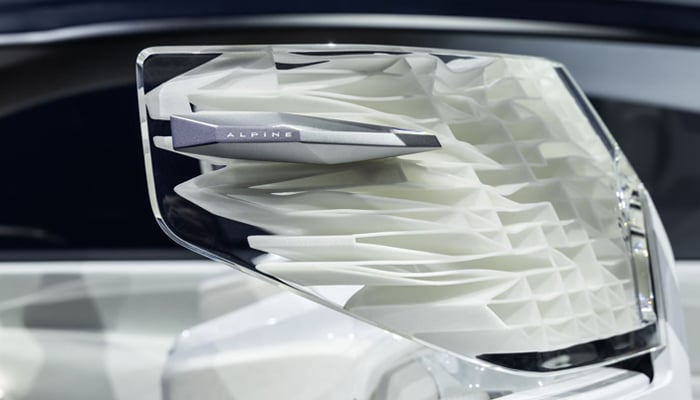
After having worked on a series of customized accessories for the Peugeot 308, the French 3D printing service ERPRO has announced a new collaboration with the Alpine brand. This time, the protagonist is the A390_β, the brand’s first 100% electric sports vehicle. This innovative model incorporates several 3D printed parts using SLS technology. For its manufacture, Pebax® Rnew®, a bio-based elastomer developed by Arkema, was used, highlighting Alpine’s commitment to sustainability and advanced technologies. In addition, the printed models feature a transparent coating that evokes the appearance of ice blocks, a detail that reflects the brand’s inspiration from nature. This development is part of Alpine’s ongoing effort to incorporate innovative and eco-friendly solutions into its vehicles, combining design, technology and respect for the environment.
Credit: ERPRO
3D Printed 18-karat Gold in the Bentley Batur
In 2022, British automaker Bentley Motors Ltd unveiled the Bentley Batur, named after a lake on the Indonesian island of Bali, touting it as one of the most powerful Bentleys ever built. Equipped with a hand-assembled 6.0-liter W12 engine with twin turbochargers, the Batur boasts over 740 horsepower. However, what truly caught our attention was the use of 3D printing in its design. The vehicle features 18-karat gold organ stops for ventilation, while the exhaust finishers were 3D printed in titanium—demonstrating how additive manufacturing is shaping luxury automotive craftsmanship. With only 18 units produced, the Batur is an ultra-exclusive model, offering buyers an exceptional degree of customization. As Bentley puts it: “From the main exterior paint to the surface finish of the air vents, and literally everything in between, each customer will specify even the tiniest of details.” This level of personalization underscores how 3D printing is driving a broader shift toward bespoke design in the automotive industry.
More from the desk
Six other notes from the rest of the bench.
 NewsWhat Not to Miss at RAPID + TCT 2025Rapid + TCT 2025 is opening its doors today! Once again taking place in Detroit, the event will bring together the leading voices in additive manufacturing over three days of innovation, networking and expert-led conferences. But with over 400 exhibiting…
 NewsFormnext 2024, Moving Towards a More Stagnant Market?Yet another Formnext closed its doors last Friday at Messe Frankfurt. For four days, the entire additive manufacturing community gathered in the show’s four halls, in search of the latest innovations, trends and applications. Naturally, the 3Dnatives teams were on…
 NewsTop 5 Videos of the Week: 3D printed Star Wars HelmetThis week’s Top 5 Videos on Christmas Eve is one of the most varied we’ve had. This ranking ranges from 3D printing in the Star Wars games, to 3D printed planes, and 3D printed military drones! Remember, a new Top…
 GuidesWhat Are the 3D Printing Startups to Know in 2021?For several years now, every month 3Dnatives has given you the opportunity to discover a startup in the additive manufacturing sector. 3D printer and material manufacturers, software developers or machine distributors, many young companies are developing solutions that will impac
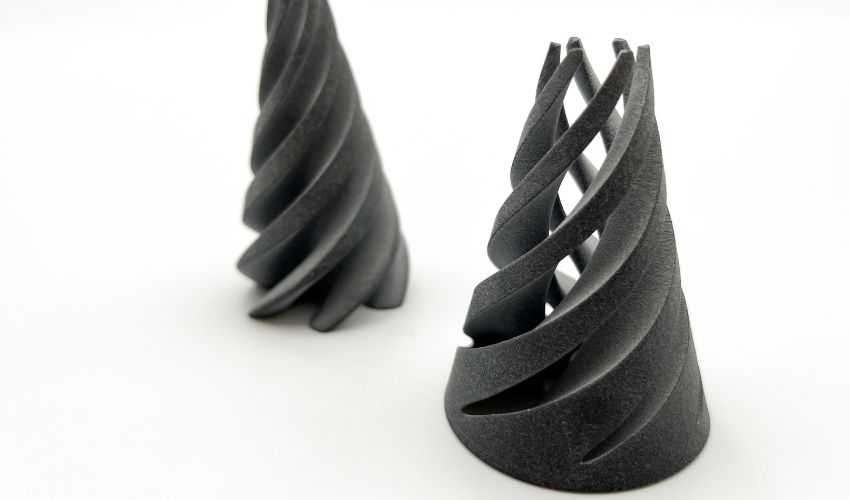 MaterialsOrgasol® PA12, a Material Offering Repeatability, Sustainability and Cost-Effectiveness to 3D printing usersAs the additive manufacturing market continues to evolve, innovation is essential to unlocking new possibilities. This means constantly improving machines and software, as well as developing higher-performance materials capable of meeting the growing demands of users. Something t
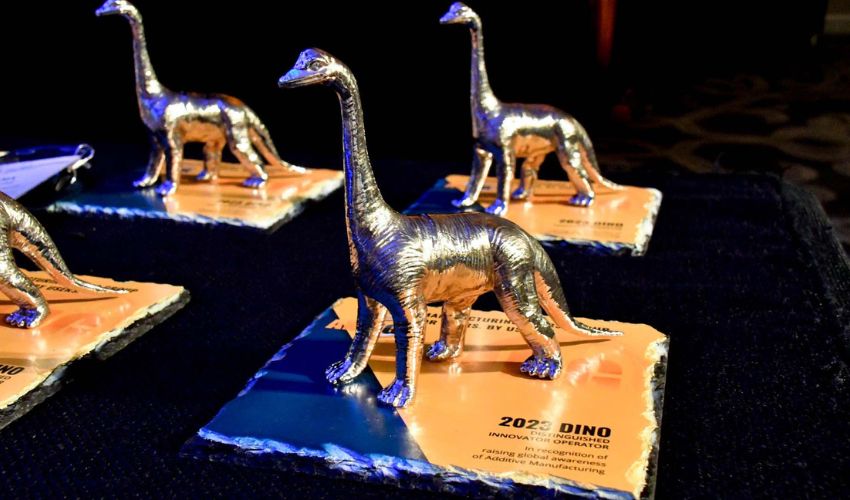 NewsWhat Can You Expect From AMUG 2024?AMUG 2024 is right around the corner! The Additive Manufacturing Users Group (AMUG) Conference is a mainstay in AM events in the United States, aiming to “bring together engineers, designers, managers, and educators from around the world to share expertise,…