News
Hayabusa Unveils First Ever 3D Printed Boxing Gloves
Hayabusa is a well-known Japanese sports equipment manufacturer specializing in creating high-performance equipment for various Mixed Martial Arts (MMA) disciplines, including boxing. Recently, the company has introduced a new line of boxing gloves called T3D, developed using 3D
- 3 min read
- News
- Six more stories
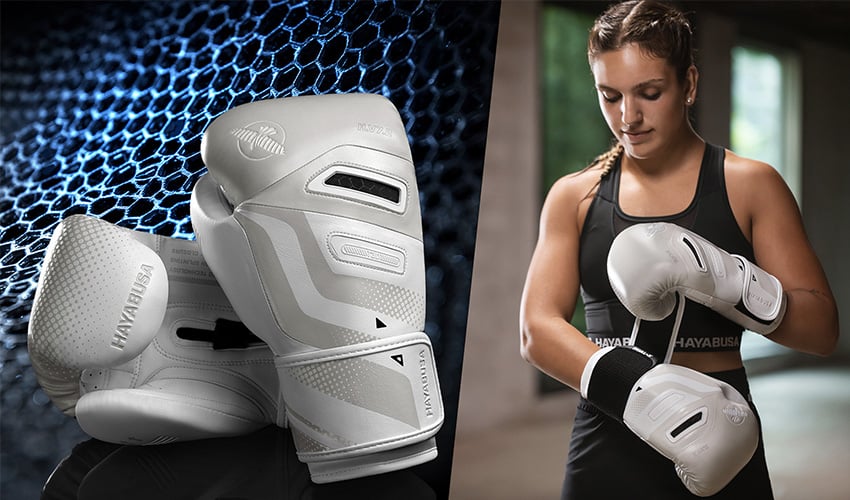
Hayabusa is a well-known Japanese sports equipment manufacturer specializing in creating high-performance equipment for various Mixed Martial Arts (MMA) disciplines, including boxing. Recently, the company has introduced a new line of boxing gloves called T3D, developed using 3D printing technology. According to Hayabusa, this is the first time such a process has been used to manufacture boxing gloves.
The CEO of Hayabusa, Ken Clement, believes that this new technology will revolutionize the industry regarding athlete protection and comfort. And it certainly seems he might be correct. Notably, because this is not the first instance of 3D printing being used in sports. Several other companies, including Wilson Sporting Goods, have also introduced 3D printed projects in recent months. More specifically, Wilson Sporting Goods recently unveiled a basketball prototype that was designed using 3D printing. But those are not the only case. We have already seen the use of 3D printing to create helmets in the NHL as well as for bicycles that will be used in the Olympics. It is prized for its ability to customize each part for the user, making it safer as well as more comfortable for the athletes. These qualities also probably contributed to the decision of Hayabusa to turn to additive manufacturing for their boxing gloves.
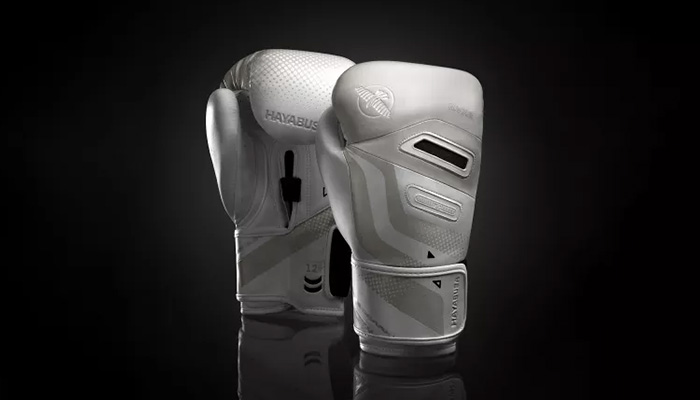
The $159 gloves are a first of its kind (Photo credits: Hayabusa)
A Comfortable and Slick Design
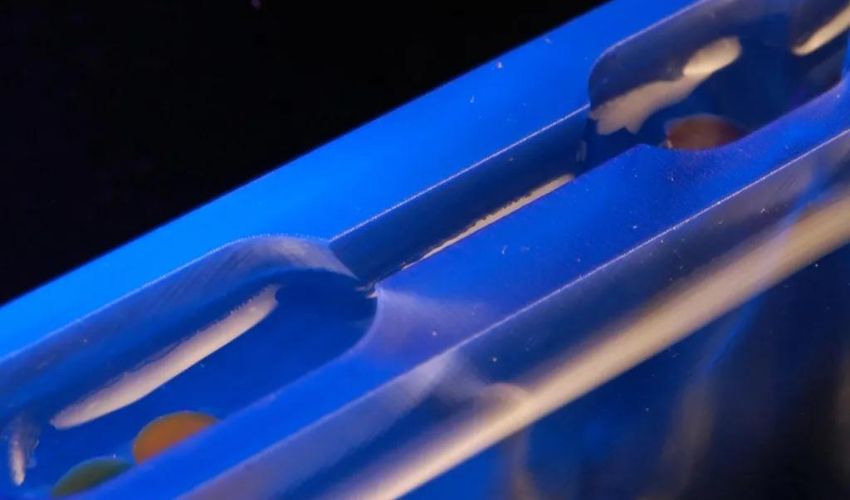
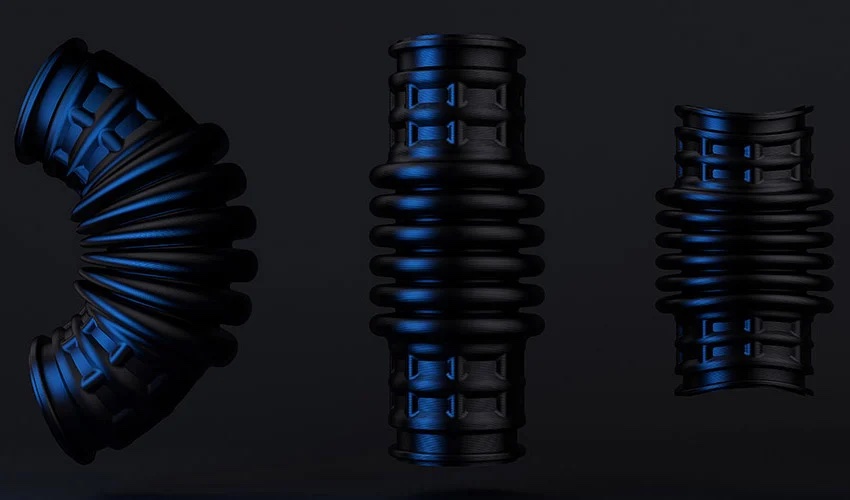
Hayabusa utilized a resin 3D printing solution, most likely an SLA or DLP process, to manufacture the T3D boxing gloves. Although there is no information regarding the specific 3D printer used, the technology has replaced traditional foam layers with lattices that contain thousands of shock absorbers, providing unparalleled precision that conventional manufacturing techniques cannot achieve. The sports equipment manufacturer claims these mats are more durable than the foam typically used and surpass their capabilities.
More from the desk
Six other notes from the rest of the bench.
 NewsCould a 3D Printed Device Be the Answer to More Powerful Cell Phones and WIFI?3D printing is already being used in incredible ways all over the globe. From bioprinting to 3D printing in construction, it seems that the applications for additive manufacturing are almost limitless. Now, researchers a team of engineers and scientists from…
 Materials3D Printing Elastomers Market Expected to Reach $1.389 Billion by 2030American research organization Report Oceans recently published a study in which it evaluated the growth of elastomers in the 3D printing market. The organization estimates that the elastomers market will reach 1.389 billion dollars within eight years, with an annual…
 NewsTop 5: How Could 3D Printed Biocomposites Change 3D Printing?For this week’s Top 5, learn from five informative videos on additive manufacturing! First, take a look at 3D printed biocomposites, made with materials like cork, wood, bamboo, coconut, and even denim! Then, see how researchers at Georgia Tech are…
 NewsUsing additive manufacturing to break the codes of architectureThe HS HITECH 3D printing service uses additive manufacturing to build modular structures including customised structural elements called Blobee. Thanks to HP’s Multi Jet Fusion technology, they were able to design the various joints of a glass substructure, surpassing curr
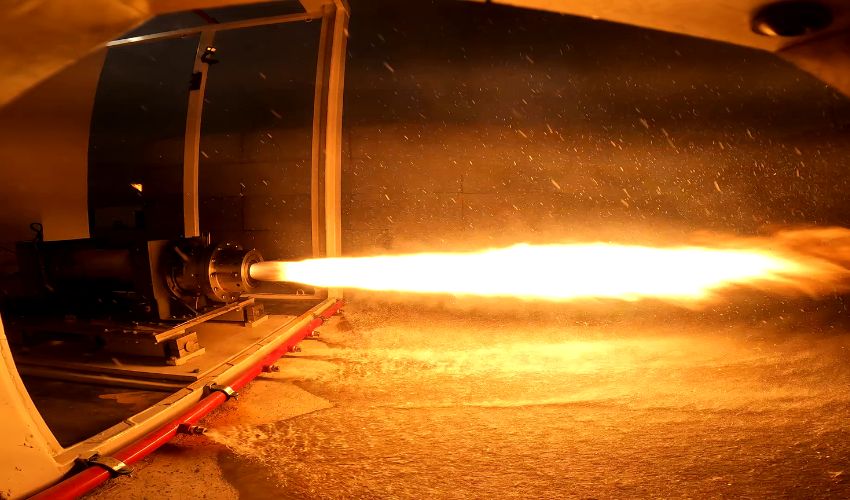 ApplicationsFirehawk Oversubscribes $60 Million Investment, Securing Key European InvestorFirehawk Aerospace, a defense company specializing in advanced energetics and propulsion, has just secured investment from Presto Tech Horizons (PTH), a defense and resilience tech fund created through a partnership between European venture capital firm Presto Ventures and global
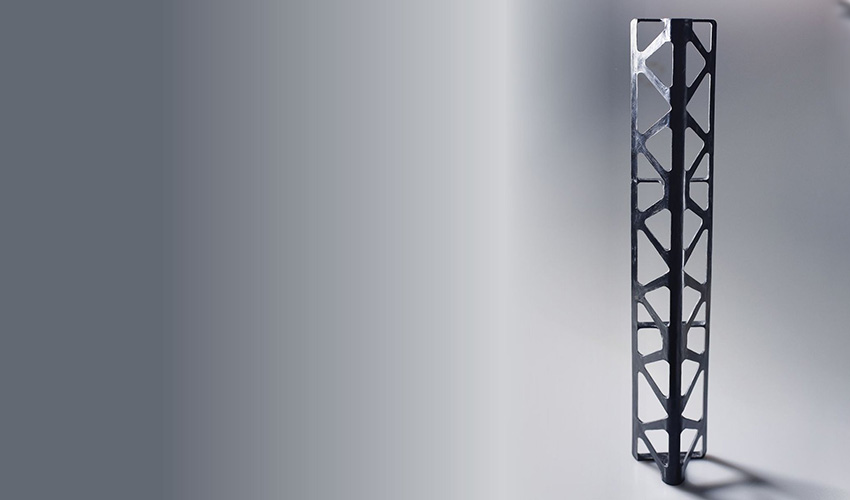 GuidesArris Composites on unlocking mass production of high-performance compositesArris Composites, one of the pioneers of next-generation composites, announced at the end of May that it had secured $48.5M in series B funding to expand its proprietary composite manufacturing capabilities and open new facilities in the U.S. and Taiwan.…