Applications
HANX: The First 3D Printed Drone with US NDAA Certification
In the midst of the US Department of Defense’s race to achieve “drone dominance,” an ambitious plan that envisions the acquisition of up to 300,000 single-use attack drones by 2028, the Marine Corps has taken an initial step. This involves…
- 3 min read
- Applications
- Six more stories

In the midst of the US Department of Defense’s race to achieve “drone dominance,” an ambitious plan that envisions the acquisition of up to 300,000 single-use attack drones by 2028, the Marine Corps has taken an initial step. This involves the development of its first 3D-printed drone that is fully compliant with the National Defense Authorization Act (NDAA).
The National Defense Authorization Act (NDAA) is the legislation that regulates, among other things, which technologies and components can be used in US military systems, especially in sensitive areas such as communications, electronics, and software. In other words, the NDAA seeks to prevent the use of components with potential backdoors or technological dependencies on countries considered adversaries. The drone, dubbed HANX, is the result of the work of a small team of Marines in North Carolina. Leading the project is Sergeant Henry David Volpe, a motor transport mechanic who has been self-taught in 3D printing and robotics since his teens.

Although the Marine Corps had already experimented with 3D-printed drones in the past, HANX represents a breakthrough for them. Unlike others, the new drone strictly complies with NDAA requirements, which means that all its components are free of potentially compromised hardware and software. HANX has been designed as a modular platform that Marines themselves can print, modify, and repair. This allows the design to be quickly adjusted for different missions. Intended uses include tactical reconnaissance, light logistics, training, and even as a low-cost attack drone.
More from the desk
Six other notes from the rest of the bench.
 NewsTop 5 Videos: RAPID + TCT Interviews and AnnouncementsWelcome to our compilation of this week’s most compelling 3D printing highlights. This week, we’re excited to bring you an edition focused more on RAPID + TCT 2024, sprinkling in several select moments and highlights from the event. We begin…
 GuidesThe Top 3D Pens on the Market3D pens are often seen as a gadget or a toy reserved for children who want to get into 3D printing. However, they are becoming more popular and sophisticated, with more features and compatible materials. They make it possible to…
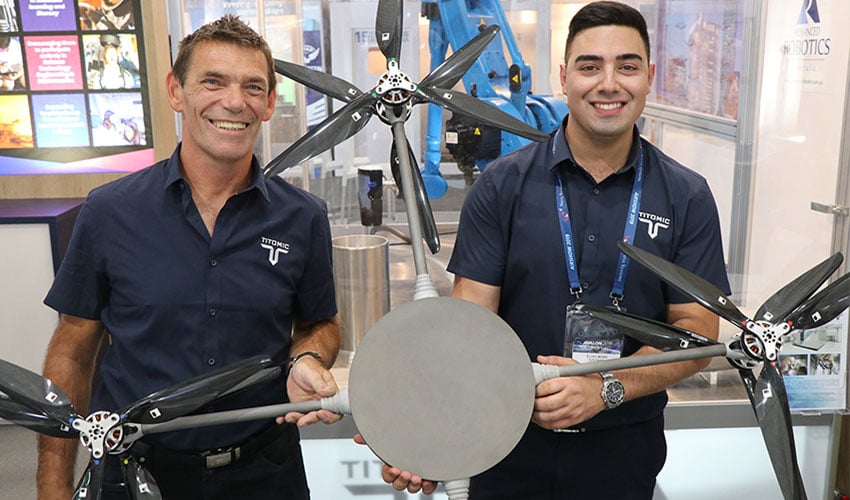 NewsTitomic 3D prints the largest titanium droneTitomic is an Australian manufacturer of 3D metal printers that recently unveiled a 3D printed titanium drone, the largest on the market according to the company. And for good reason, this one is 1.8 metres in diameter! It was designed…
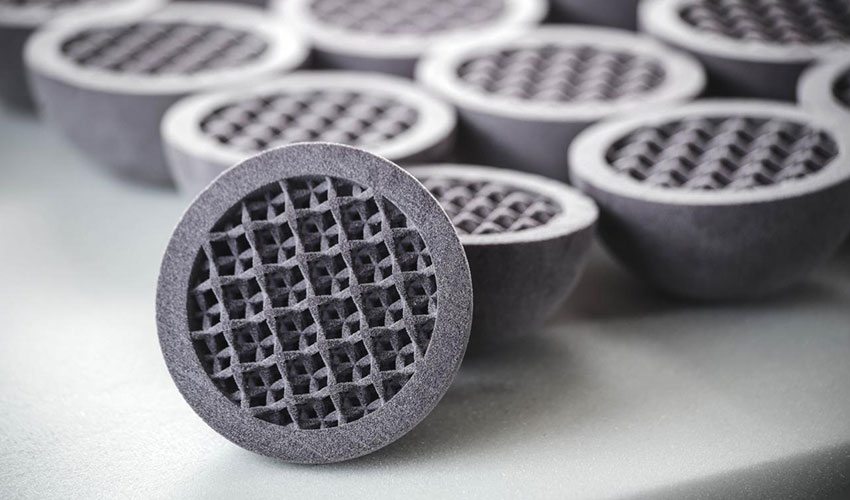 NewsThe Complete Guide to Binder Jetting in 3D PrintingThere are numerous additive manufacturing technologies on the market today, each associated with different materials and very specific applications. In this guide, we’ll be talking about binder jetting, which is compatible with a variety of materials, including ceramics and
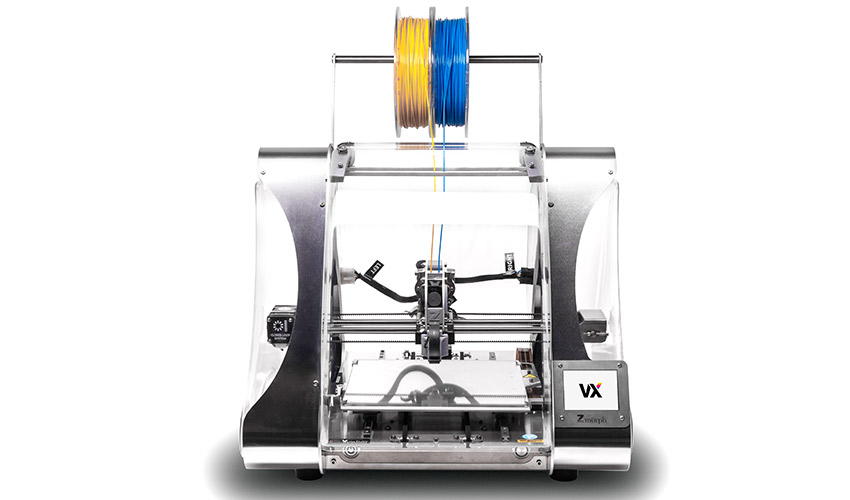 Printers3Dnatives Lab: Testing the ZMorph VX 3D PrinterOriginally from the RepRap world, the Polish manufacturer ZMorph launched itself on the 3D printer market in 2012. Over the years, the brand has made a name for itself with its multi-functional 3D printers. Its latest model, the ZMorph VX,…
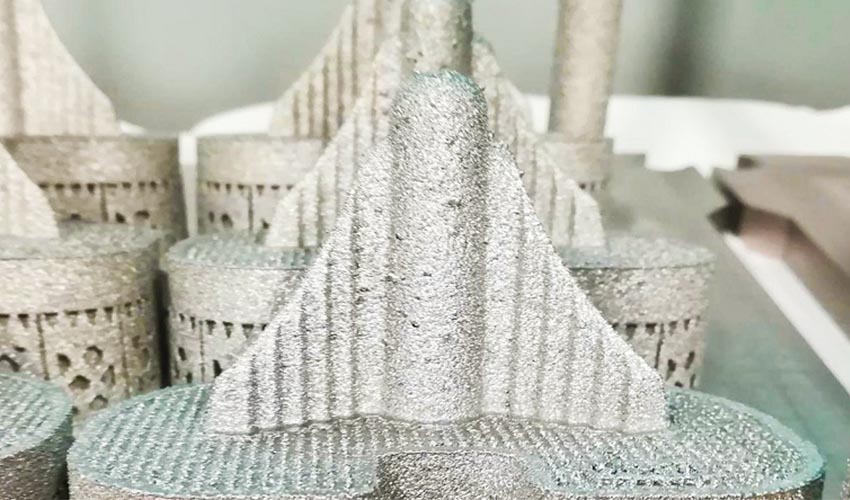 ApplicationsKnee replacement with additive manufacturing and artificial intelligenceThe Italian medical implant manufacturer, REJOINT, announced it is using GE Additive’s Electron Beam Melting (EBM) technology to additively manufacture knee implants. The medical company aims to offer a customized medical solution to patients. Both additive manufacturing and arti