News
Guatemala’s First 3D Printed (and Earthquake-Proof!) House Has Been Installed
How far has concrete 3D printing progressed? Over the recent months, we have told you about a number of different projects using this technology to create housing. Now it has arrived in another Central American country. The first 3D printed…
- 3 min read
- News
- Six more stories
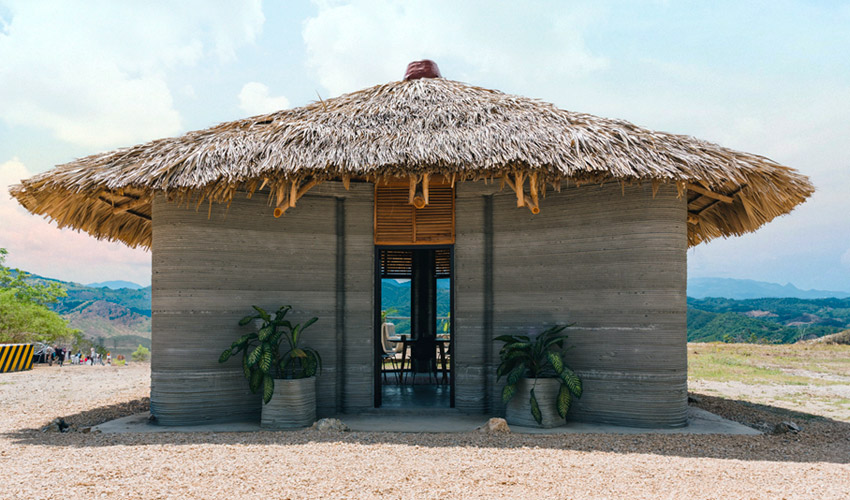
How far has concrete 3D printing progressed? Over the recent months, we have told you about a number of different projects using this technology to create housing. Now it has arrived in another Central American country. The first 3D printed house in Guatemala has officially been installed. Specifically, it was inaugurated by Progreso X, the corporate accelerator of the company Progreso, an industrial concrete leader in Central and South America. In addition, this interesting project was made possible thanks to the participation of the Danish group 3DCP who used the BOD2 concrete 3D printer, from the company COBOD International. This is one of the most widely used concrete additive manufacturing machines in the world, already used for many projects in the USA, Canada and Mexico, among others.
3D printing in Latin America is growing rapidly, thanks to different companies and organizations driving these developments. In the construction field, we already know the case of the 3D printed housing community that was created in Mexico to provide a home for local families. On this occasion, a new milestone in this field of manufacturing has been unveiled, although this time in Guatemala. Plinio Estuardo Herrera, Concrete R&D Manager at Progreso, commented, “With immense satisfaction, we completed this unique project using 3D printing technology, once deemed distant.”
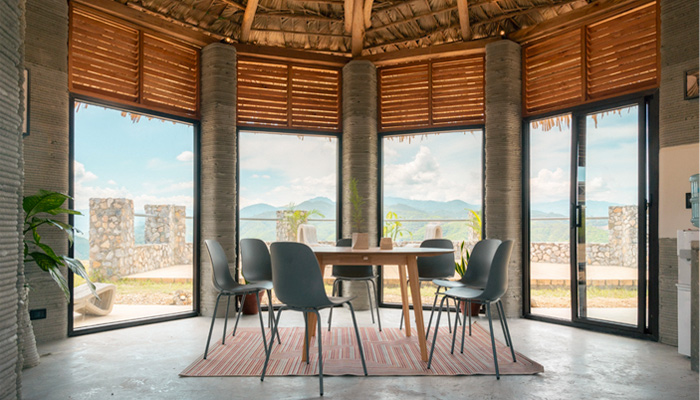
The interior of the 3D printed house
Making Guatemala’s First 3D Printed House
The initiative consisted in the construction of a house with 3D printed walls reaching a height of 3 meters, about 9 feet. Additionally, the total fabrication of the structure was completed in a period of 7 days with a total printing time of only 26 hours. The use of 3D printing has allowed the creation of walls with highly organic designs, which would have been costly or even unfeasible using concrete blocks, which is the main material in this geographical area. Plinio Estuardo Herrera, continues to explain, “Progreso’s enduring spirit of innovation led us to explore new methods, culminating in a collaboratively designed building featuring a sustainable “rancho” roof, ensuring natural cooling in seismic regions. This achievement, a testament to our teamwork, harmoniously blends advanced technology with local traditions, thanks to the unwavering support of 3DCP Group and COBOD.”
More from the desk
Six other notes from the rest of the bench.
 NewsNano Dimension stocks soar thanks to 3D printing technologyNano Dimension is an Israeli manufacturer that specialises in intelligent machines for the 3D printing of high fidelity active electronic and electromechanical subassemblies, and has recently obtained a patent for their circuit board additively manufactured with inkjet printing.
  GuidesGRYP: 3D Printing Spare Parts for Classic CarsGRYP are an innovative French startup that are endeavouring to 3D print car parts for classic cars. The problem with classic cars is parts are no longer made and therefore restoration is very expensive. GRYP are using 3D printing to…
 PrintersThe BQ Witbox Go! is renewed this Christmas2017 saw the birth of one of the star machines of the Spanish company BQ; the Witbox Go! This brand, especially known for its mobiles, has managed to position itself as one of the three best-selling 3D printer manufacturers in Europe. Among…
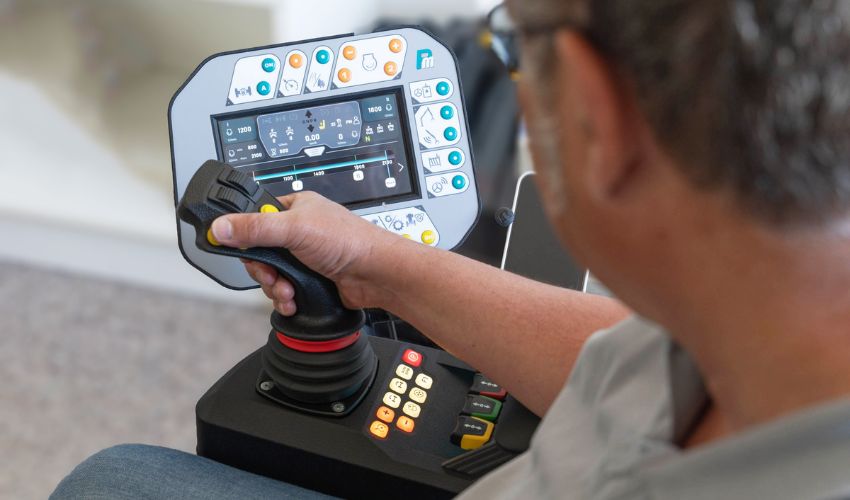 NewsSLS 3D Printing Opens Up Small and Medium Batch Production in Diverse IndustriesWhen it comes to benefits of 3D printing, two that are often mentioned are the ability to customize parts as well as to produce small to medium batches in a cost-effective manner. And that is certainly what Germany-based IBL Hydronic…
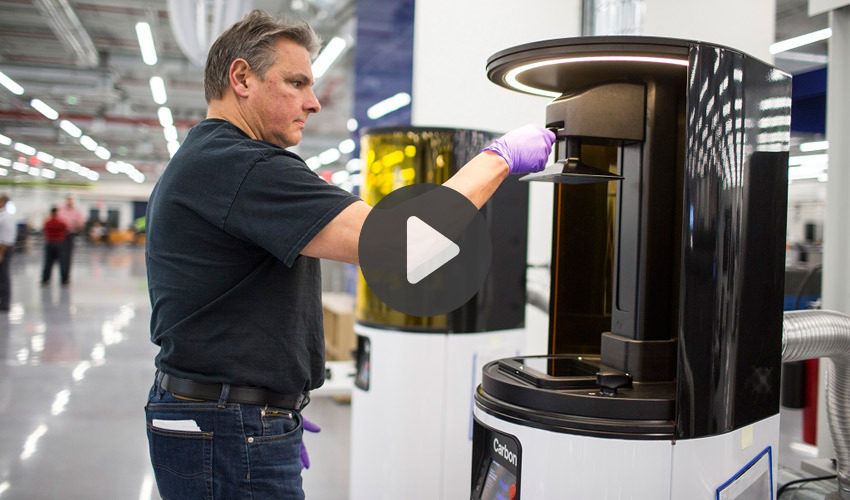 NewsTop 5 Videos: Ford Motor Co. and Carbon discuss 3D printingThis week we found the top 5 videos about 3D printing and the way additive manufacturing is changing production. The technology has infiltrated many sectors, from medical to automotive – check our selection of the week to keep up with the innovations! If you enjoy these, you&hell
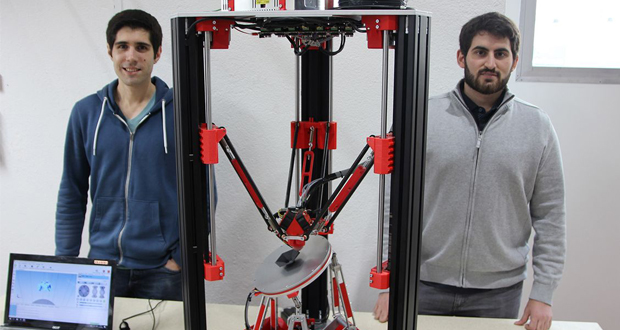 PrintersExclusive interview with the creators of the 3D printer with 6-axisLast week, we presented you with a 6-axis printer that was created by two Swiss students from the University of Applied Sciences in Zurich, Switzerland. This printer allowed you print without having any material support. We wanted to know more…