Applications
Ford and Red Bull Powertrains Use 3D Printing to Optimize Vehicles for F1
In 2023, Ford Motor Company partnered with Red Bull Powertrains to race at Formula 1. It had been more than two decades since Ford has been on racetracks, and now, Ford and Red Bull Powertrains will develop the next-generation hybrid…
- 3 min read
- Applications
- Six more stories

In 2023, Ford Motor Company partnered with Red Bull Powertrains to race at Formula 1. It had been more than two decades since Ford has been on racetracks, and now, Ford and Red Bull Powertrains will develop the next-generation hybrid power unit for the Oracle Red Bull Racing and Scuderia AlphaTauri teams. Red Bull Racing’s cars will comply with the standards imposed by the FIA, i.e., the International Automobile Federation for Formula 1, which will come into effect in 2026. These come with several requirements, including that the cars be more aerodynamic and use carbon-neutral fuels. What interests us here is that Ford is using additive manufacturing to meet these demands.
For the past two years, Ford has been using 3D printing to enhance its race cars and adapt them to the new standards imposed by the FIA. So far, it has produced more than 1,000 3D printed components for Red Bull Powertrains. Currently, Red Bull Powertrains works with Honda, but from 2026 until 2030 Ford will become the new official partner. The two companies are working together to upgrade race cars for Formula 1 racing. Their goal is to recreate the power unit of Red Bull Racing team vehicles from scratch.
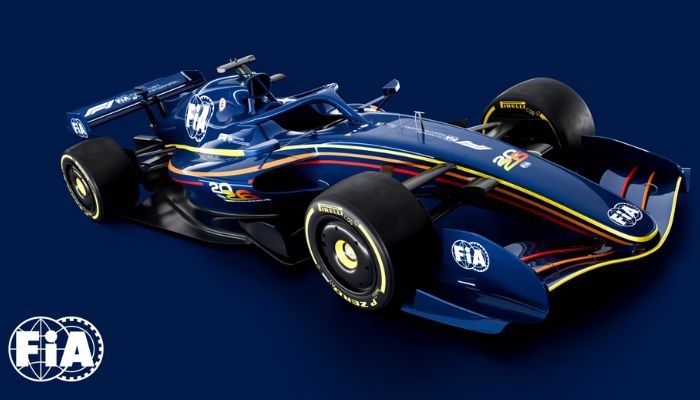
In 2024, FIA unveiled the new 2026 Technical Regulations and the first images of what the next generation of F1 cars should look like. (Photo credit: FIA)
FIA’s New Standards for Formula 1
To make racing more sustainable and in step with the demands of modernity, high standards have been set that each competing automaker must achieve by 2026. The cars will have to be, overall and compared to current measurements, 30 kg lighter, 20 cm shorter and 10 cm narrower. In addition, to aid overtaking, each car must be equipped with a dual system of active aerodynamics, both rear and front, which will replace the current drag reduction system (DRS). The fuels must also be sustainable, and the power units must reduce their endothermic power and increase their electric power. In summary, F1 wants to give its millions of spectators not only more exciting races (the increased demand for aerodynamics is meant to encourage overtaking even on city tracks such as those in Monaco and Baku), but also greener ones. So to meet the demanding requirements imposed by the FIA for F1, Ford and Red Bull Powertrains are collaborating and adopting advanced technologies such as additive manufacturing, Oracle’s cloud computing and Siemens Xcelerator industrial software suite to optimize processes.
More from the desk
Six other notes from the rest of the bench.
 NewsEverything You Should Know About Rapid Prototyping in 3D PrintingThe product development landscape is constantly evolving, demanding innovative approaches to bridge the gap between ideas and reality. Rapid prototyping (RP) has emerged as a powerful tool in this realm, fostering creativity and efficiency. At its core, rapid prototyping is&helli
 MaterialsSpectroplast receives €1.38 million to advance silicone 3D printingSpectroplast AG, the SLA silicone additive manufacturing service company just completed a €1.38 million funding round led by Munich-based investor, AM Ventures. We told you about Spectroplast in February in an interview with co-founder, Petar Stefanov. The startup spun out&hellip
 Guides3D Printed Medical Implants: Discover Some of the Most Innovative ProjectsThe medical sector is benefiting greatly from advances in additive manufacturing. Thanks to the ability to create unique models for each patient, personalized medicine is finally becoming a reality. Medical implants represent a particularly sensitive field, as they involve the&he
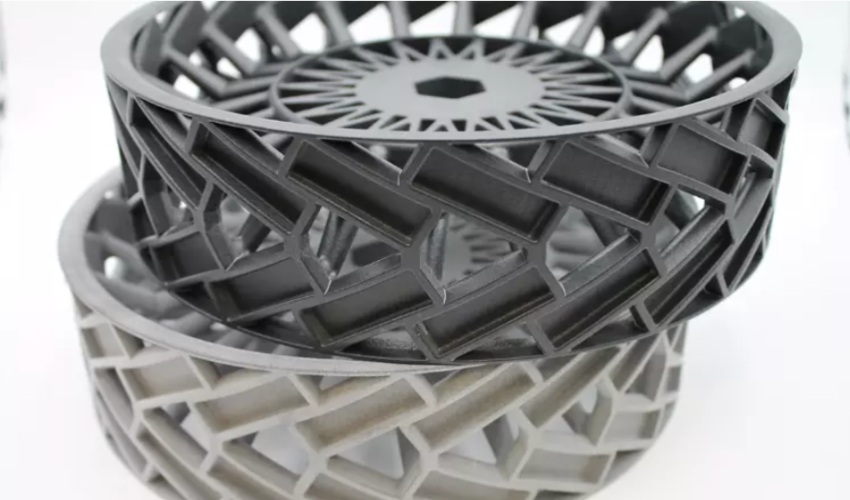 GuidesAMT on expanding applications thanks to post-processing solutionsThe additive manufacturing industry is experiencing a transformation in its applications, with a move from prototyping to end-use part production. This is the reason why post-processing technologies are becoming so key. Founded in 2017, the startup AMT provides patented post-proc
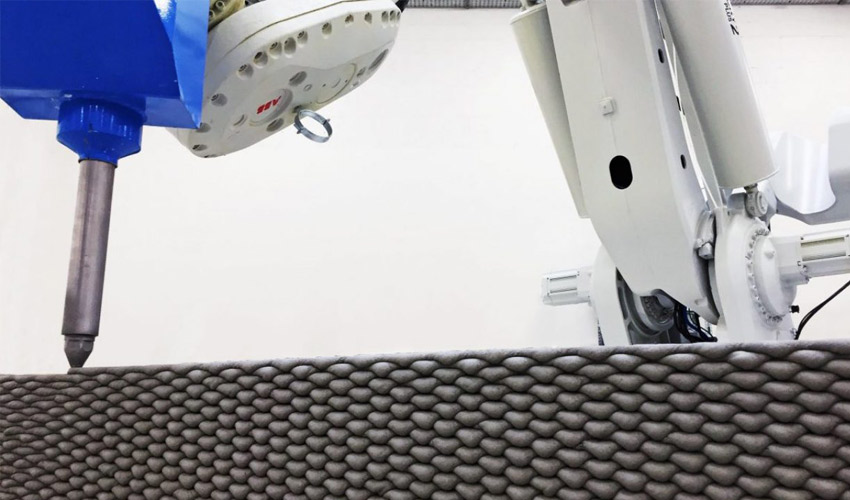 NewsXtreeE launches new 3D printing construction unit in Dubai3D concrete printer manufacturer XtreeE has announced the export of its technology internationally: it has opened an additive manufacturing centre in Dubai, which completes its production site in Rungis. The company based in France took the opportunity to announce a…
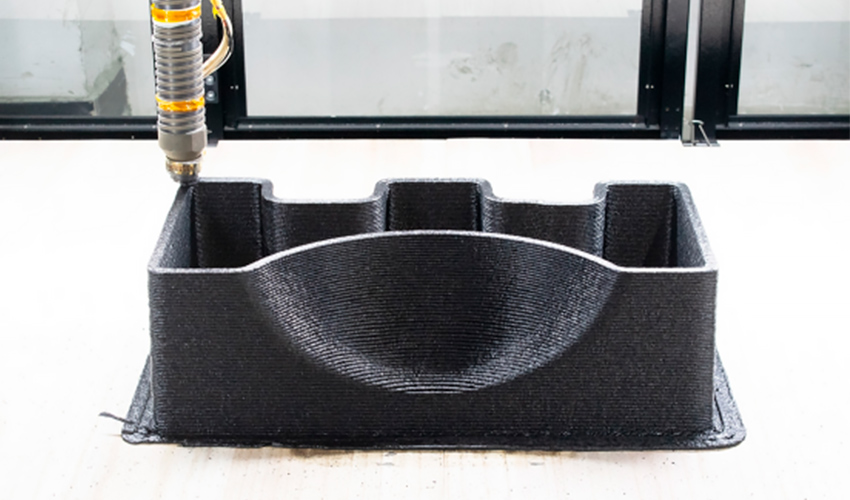 PrintersIEMAI3D and ISANMATE Advance Carbon Fiber Materials for 3D PrintingInterest in carbon fiber composite materials in 3D printing has increased considerably. According to a study published by Market Research & News, the market for carbon fiber composite materials for 3D printing is expected to register significant growth in the…