News
Everything You Should Know About Rapid Prototyping in 3D Printing
The product development landscape is constantly evolving, demanding innovative approaches to bridge the gap between ideas and reality. Rapid prototyping (RP) has emerged as a powerful tool in this realm, fostering creativity and efficiency. At its core, rapid prototyping is&helli
- 3 min read
- News
- Six more stories
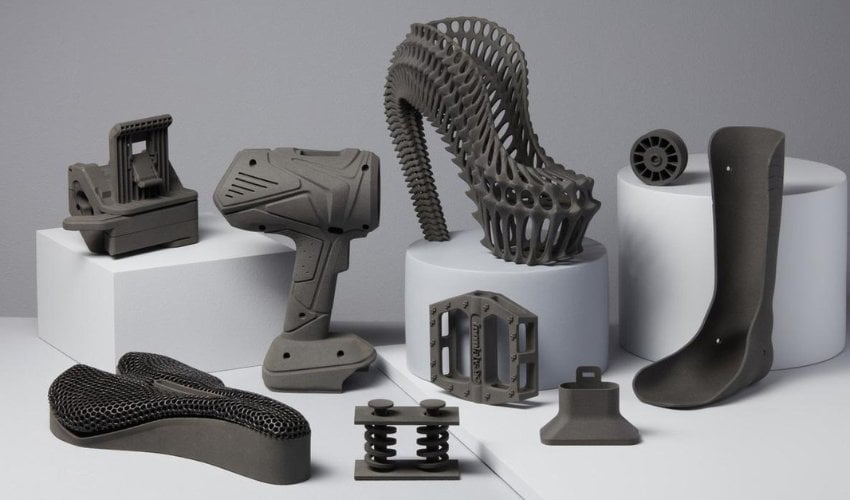
The product development landscape is constantly evolving, demanding innovative approaches to bridge the gap between ideas and reality. Rapid prototyping (RP) has emerged as a powerful tool in this realm, fostering creativity and efficiency. At its core, rapid prototyping is a methodology that revolutionizes the traditional design process, allowing for swift iteration and testing of ideas through the creation of tangible prototypes. This enables designers and engineers to receive valuable feedback early on and quickly implement suggestions, ultimately leading to a better, more reliable final product and increased user satisfaction. Below, we delve deep into the world of rapid prototyping, focusing particularly on its application within the domain of 3D printing.
What exactly is rapid prototyping? The process involves the rapid 3D printing of non-final, physical models from digital designs, allowing quick testing and refinement of parts and ideas based on real-world feedback and results. The first use of RP coincides with the emergence of additive manufacturing in the early 1980s. Initially used for rapid tooling and prototyping in industrial settings such as the automotive and aerospace sectors, continuous significant improvements within 3D printing technology have allowed RP to become monumentally more accessible and affordable for a broader range of industries and applications. Today, RP within additive manufacturing has facilitated significant innovations and is hailed for its flexibility and efficiency in product development, driving critical advancements across a variety of fields.
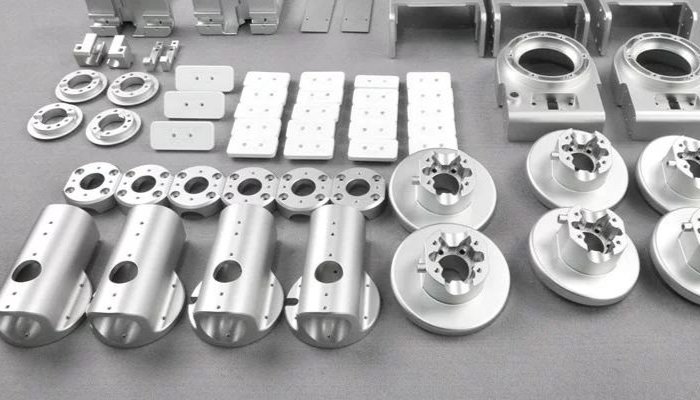
3D printed metal rapid prototypes. (Photo Credits: Wayken Rapid Manufacturing)
How Rapid Prototyping Works
Like all 3D printing processes, rapid prototyping done using AM begins with creating a digital design in CAD software. Once the design is finalized, it is sent to the 3D printer, which may print the prototype using thermoplastics, resins, metals, or composites. This results in a 3D printed, functional representation that closely mirrors the intended final part. The key advantage of this process is that it empowers designers to test their ideas thoroughly and rapidly.
More from the desk
Six other notes from the rest of the bench.
 NewsWhat Do We Know About the First 3D-Printed House Inaugurated in Germany?Recently, the first 3D-printed house in Germany was officially inaugurated and has been the talk of the town ever since. This is because the 160-square-meter building is not only an architectural sensation, but has already been awarded the “German Innovation…
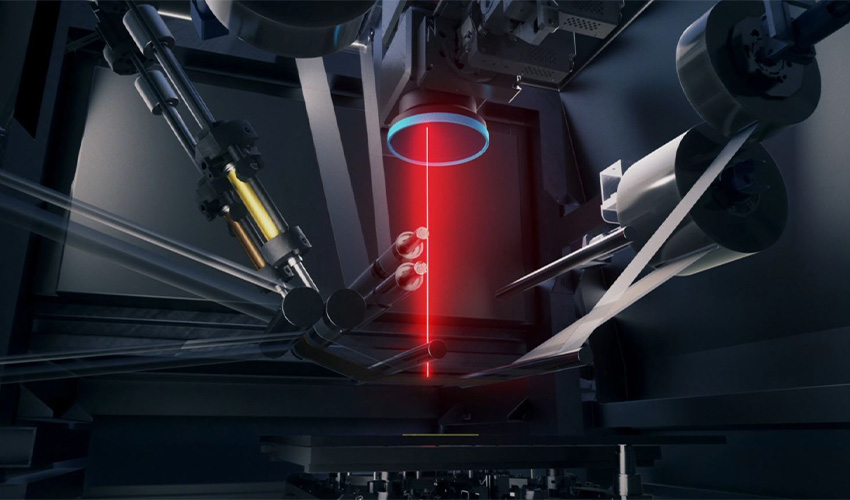 NewsCLAD, ioTech’s Unique Multi-Material Additive Manufacturing TechnologyAs you probably know, stereolithography is considered to be the original 3D printing process. However, since that first equipment was patented in 1984 by Charles Hull, many new technologies have been developed. Indeed, processes such as binder jetting, material jetting…
 NewsEU Parliament to Consider Right to Repair Through 3D PrintingIn an effort to address the enormous amount of annual waste produced in the European Union in the form of usable consumer goods, the Internal Market and Consumer Committee of the EU Parliament (IMCO) has been campaigning for the right…
 ApplicationsDiagnose breast cancer with 3D printed breast phantomsA team of researchers from the Food and Drug Administration (FDA) of Maryland in the United States announced the development of a new 3D printing software tool. A tool that can help in the creation of 3D printed breast phantoms. These…
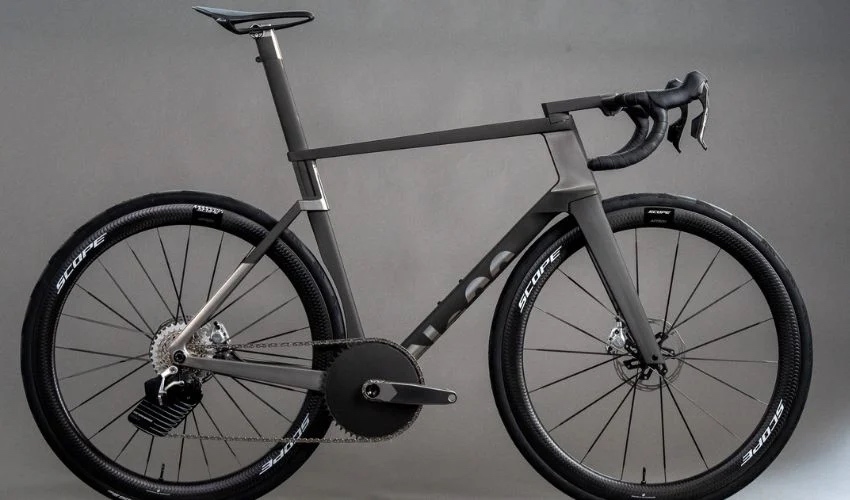 ApplicationsNo. 22 Launches Reactor Aero: The World’s First 3D-Printed Titanium Aero BikeInnovation is paramount in the world of cycling, and New York-based company No. 22 is setting new standards with the Reactor Aero, the world’s first 3D-printed titanium aero bike. The model combines state-of-the-art technology with exceptional design and promises an…
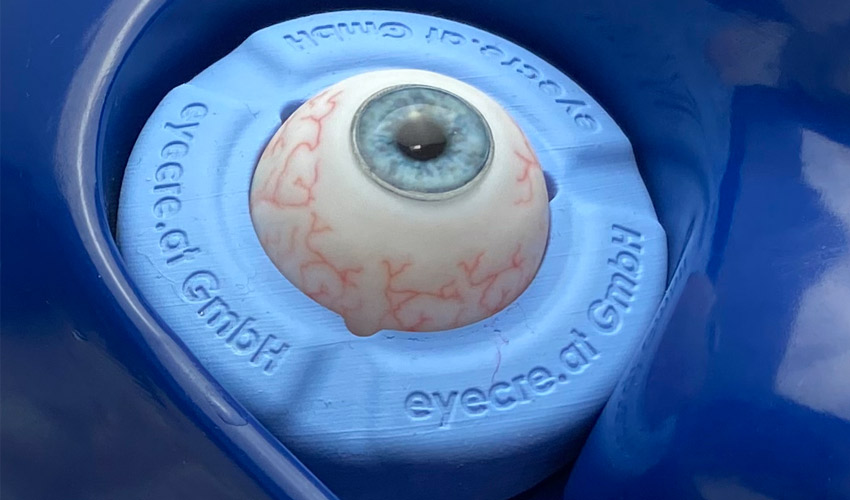 ApplicationsAddion Has Designed Ultra-Realistic Eye Models to Help Prepare for Ophthalmological SurgeriesAustrian 3D printing service Addion GmbH, which specializes in the production of 3D printed medical devices, is using Stratasys PolyJet technology to design ultra-realistic surgical eye models to better prepare for critical operations. The multi-material, multi-color additive man