Applications
Ferrari Uses 3D Printed Metal Parts in New F80 Supercar
Ferrari, the iconic Italian luxury car and racing brand, unveiled its new limited-edition F80 supercar on October 17. Production of this model will begin in 2025 and run until 2027, marking the automaker’s 80th anniversary. A total of 799 models…
- 3 min read
- Applications
- Six more stories
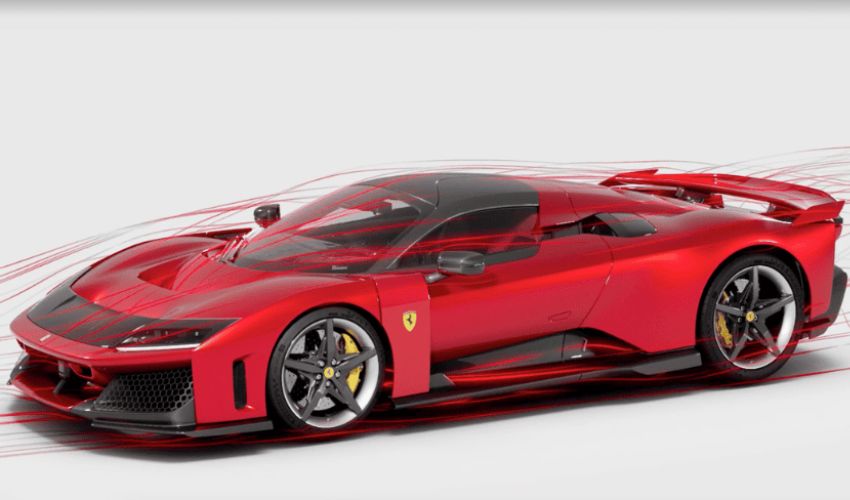
Ferrari, the iconic Italian luxury car and racing brand, unveiled its new limited-edition F80 supercar on October 17. Production of this model will begin in 2025 and run until 2027, marking the automaker’s 80th anniversary. A total of 799 models will be produced, all already sold at a unit price of 3.6 million euros. But what’s so special about this supercar? Ferrari has announced the integration of metal parts manufactured by 3D printing, a first for the brand, which has until now been discreet about its production methods, and the use of this technology in particular.
The F80 marks a turning point in performance, technology and engineering, and Ferrari stands out for its superior production capacity and wide range of users. This new supercar joins the line of iconic Ferrari models, such as the F40 and LaFerrari. It embodies excellence in internal combustion engine engineering while incorporating the latest generation of hybrid advances.
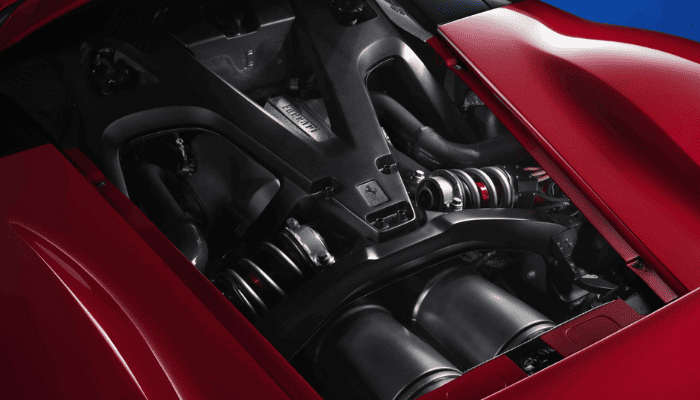
Which Parts of the F80 Are 3D Printed?
3D printing plays a key role in the F80’s active suspension system. This supercar features a fully independent four-wheel suspension, powered by four 48V electric motors and designed with a double wishbone system. The suspension incorporates active shock absorbers and suspension arms manufactured by additive manufacturing. In particular, the upper wishbones are made using metal 3D printing, a first for a Ferrari road-going model. The completely redesigned active suspension system is one of Ferrari’s major innovations for optimizing vehicle performance on both road and track. It manages to reconcile two often conflicting needs: it ensures stable driving on the racetrack by reducing height variations, while at the same time allowing effective absorption of road irregularities during everyday use on the road.
More from the desk
Six other notes from the rest of the bench.
 NewsRevenues Soar as Shipments Dip In Global 3D Printer LandscapeAccording to a study by CONTEXT, revolutionary shifts and fierce competition have set the stage for the global 3D printer industry as it experienced a mixed bag of results in their latest quarter analysis. While the allure of billion-dollar mergers…
 NewsLEGO Joins Women in 3D Printing to Encourage More DiversitySpaceships, castles, cars… one thing is sure, LEGO has played a special role the childhood of many children! And while the brand is known for making children’s dreams come true, they also are working to improve the daily life of…
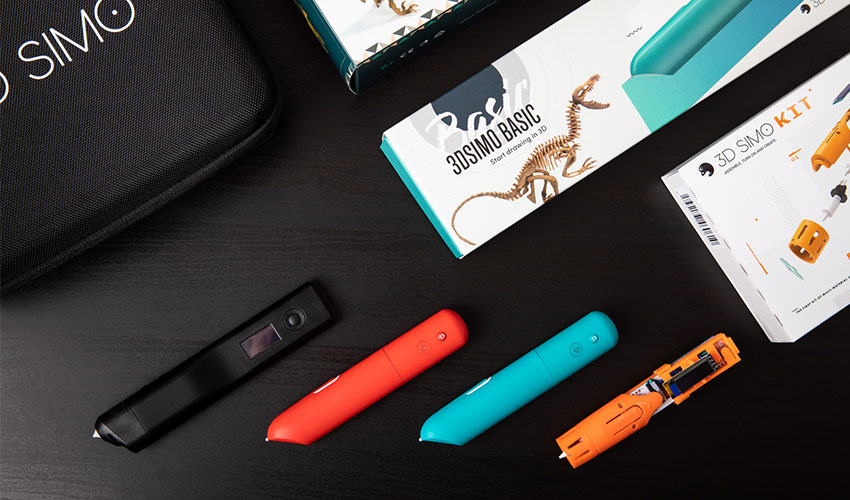 News3Dsimo multi-functional; from creative toys to professional toolsThe European producer 3Dsimo entered the market back in 2013 and specialises in their 3Dsimo multi-functional tools. The company is behind the world’s first multi-material 3D pen and have kept developing their products ever since. Now they cover categories and…
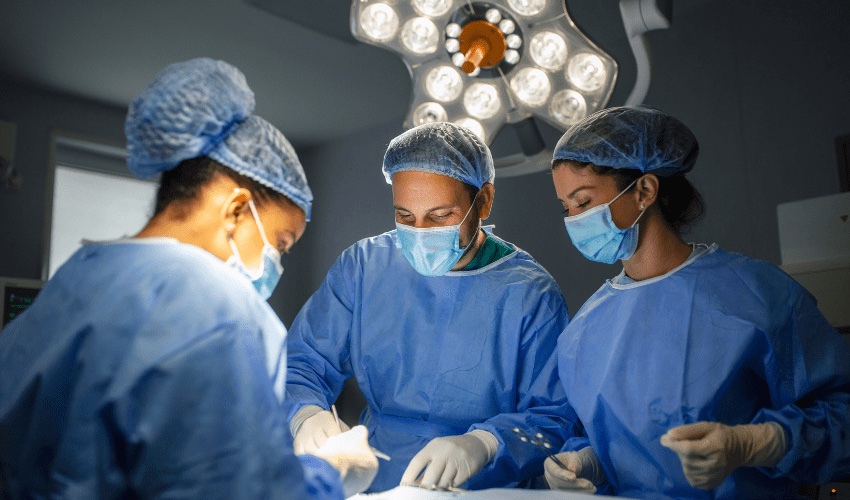 ApplicationsImproved Surgical Times at University Hospital Birmingham Thanks to 3D PrintingOne area in which we have rapidly seen the growth of 3D printing is the medical field due to its ability to design solutions tailored to each patient while reducing lead times. This has been particularly remarkably at Birmingham University…
 ApplicationsInfographic: 3D Printing in the Maritime IndustryA few weeks ago, we took a look at the applications of additive manufacturing in the railway industry, and now it is time to take a closer look at the impact of 3D technologies on the maritime sector. This sector…
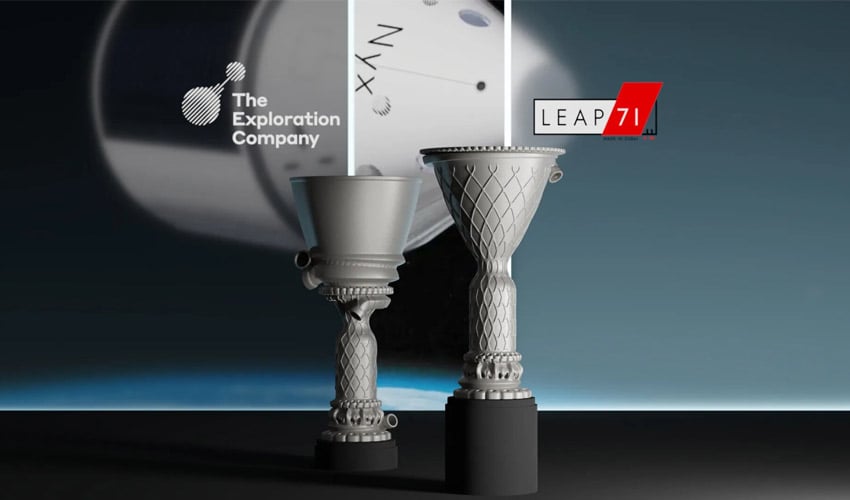 ApplicationsLEAP 71 Combines AI and 3D Printing to Produce Futuristic Rocket EnginesWith the spirit of the space race living on in the private sector’s innovative drive towards the stars, engineering company LEAP 71 and spacecraft manufacturer The Exploration Company recently announced a partnership to accelerate space exploration. The two companies want&h