Applications
Improved Surgical Times at University Hospital Birmingham Thanks to 3D Printing
One area in which we have rapidly seen the growth of 3D printing is the medical field due to its ability to design solutions tailored to each patient while reducing lead times. This has been particularly remarkably at Birmingham University…
- 3 min read
- Applications
- Six more stories
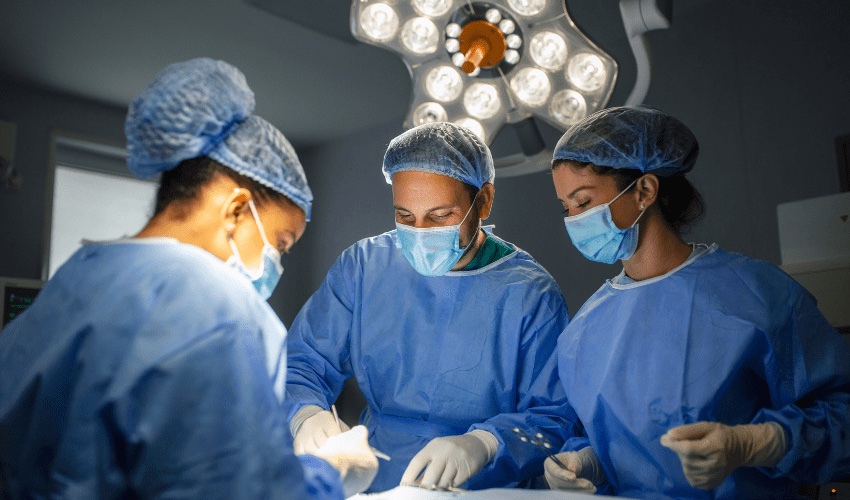
One area in which we have rapidly seen the growth of 3D printing is the medical field due to its ability to design solutions tailored to each patient while reducing lead times. This has been particularly remarkably at Birmingham University Hospital in England, where significant improvements have been seen in the treatment of patients with head and neck cancer. By using customized 3D-printed incision guides, the hospital was able to cut surgical times by up to three hours.
This breakthrough has transformed the way these tumors are removed as precise, patient-specific incision guides are provided prior to surgery. Previously, these were created by cutting and bending metal by hand while the patient was on the operating table, which was time-consuming and fraught with potential errors. Notably they have turned to Stratasys, namely the J5 MediJet, for the creation of these guides as PolyJet technology allows for the creation of “amazingly realistic, biocompatible and sterilizable anatomical models” according to Stefan Edmondson, Consultant Clinical Scientist (Reconstructive Science) at the hospital.
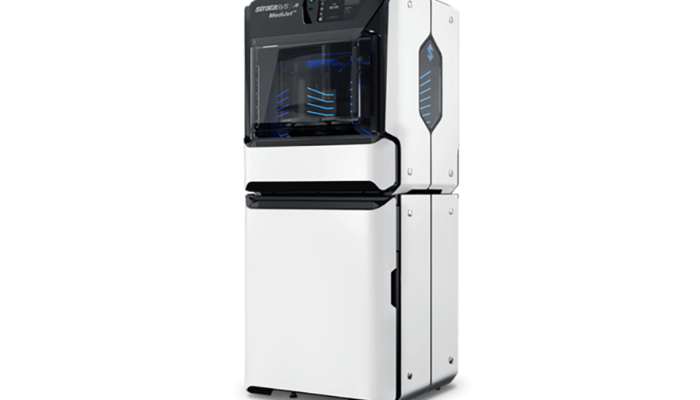
By integrating customized 3D-printed surgical guides, they optimize patient outcomes while reducing intervention times (photo credits: Stratasys)
Creating Precise Surgical Guides With 3D Printing
The use of 3D printing enables the surgical team to design highly accurate devices from patient scans, with a resolution of less than 150 microns, bringing an improvement to surgical results. These devices, developed from the rigid and transparent Biocompatible Clear MED610™ resin, are particularly suitable for applications requiring prolonged contact with the skin, over 30 days, and limited contact with tissue, bone or mucous membranes for up to 24 hours.
More from the desk
Six other notes from the rest of the bench.
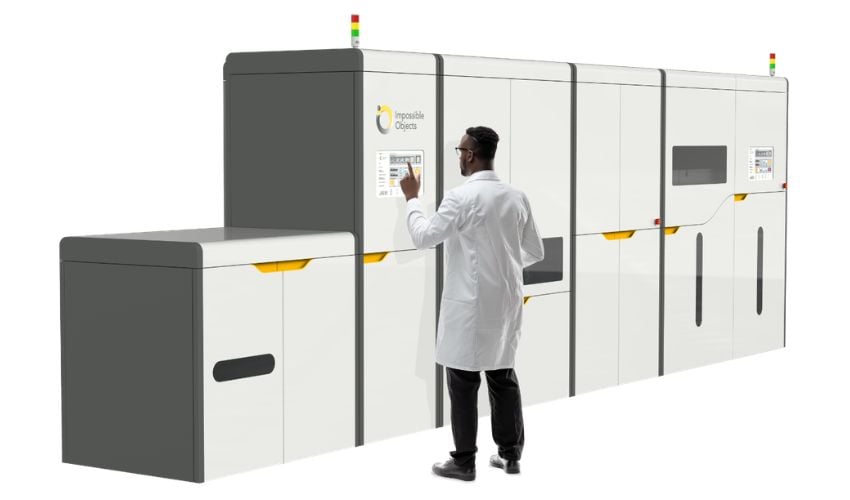 ApplicationsImpossible Objects Raises $40 Million to Boost Industrial Additive ManufacturingOn September 11, 2026, the Illinois-based additive manufacturing company Impossible Objects, Inc. announced a $40 million Series B funding round to scale its proprietary Composite-Based Additive Manufacturing (CBAM) technology and meet demand across aerospace, defense, and indust
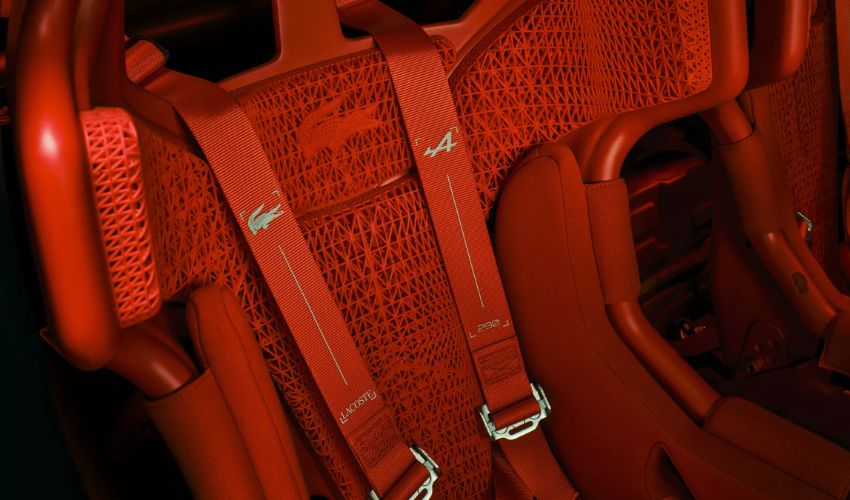 ApplicationsAlpine and Lacoste Use 3D-Printed Lattice Structures in One-Off A290 Rallye SeatsFrench automaker Alpine and apparel brand Lacoste have unveiled a one-off version of the Alpine A290 Rallye, called Beware of the Crocodile – Alpine Lacoste A290 Rallye. Inside, the rally seats incorporate parts produced using 3D printing by ERPRO, marking…
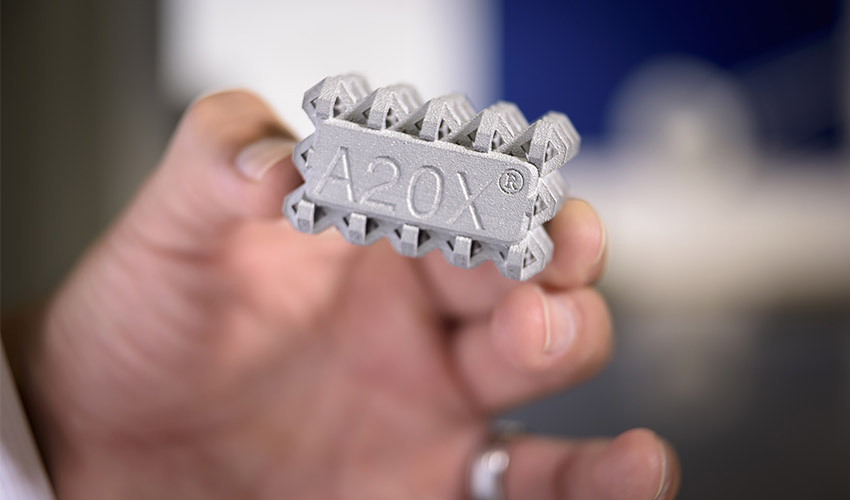 MaterialsA20X is the strongest aluminium powder for additive manufacturingAeromet has reported that its A20X patented aluminium alloy for casting and additive manufacturing has surpassed the 500 MPa UTS (Ultimate Tensile Strength) mark, meaning that it is possibly the strongest aluminium powder for additive manufacturing commercially available today. T
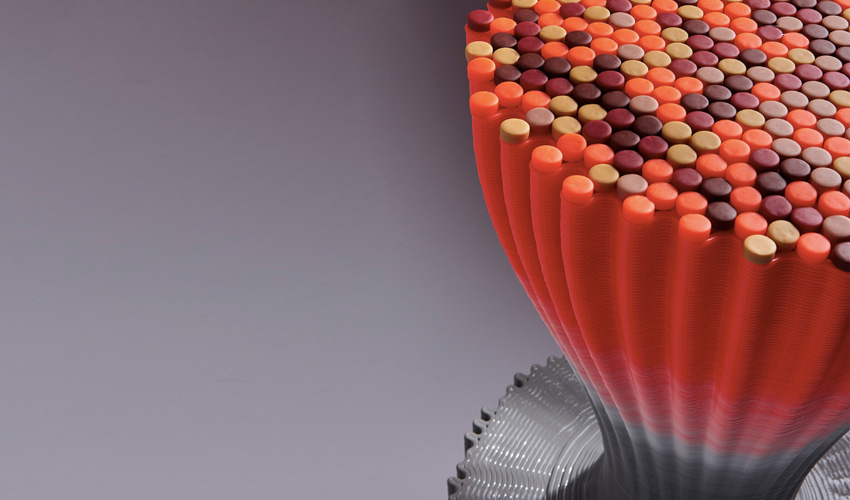 GuidesNagami, exploring the design of the future with new technologiesNagami is a design studio based in Ávila, Spain that has become known worldwide in recent months for the presentation of Zaha Hadid Architects chairs at the Milan Design Fair or the Voxel Chair v1.0 in the Georges Pompidou Museum in…
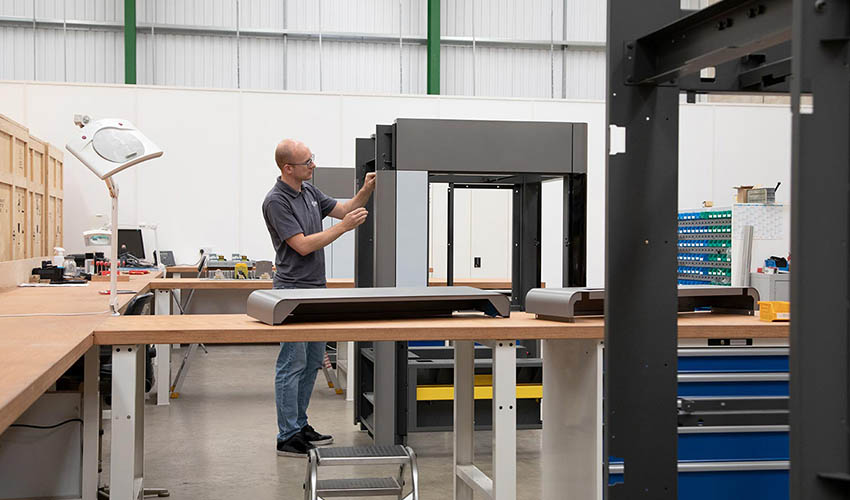 PrintersRPS expands Neo SLA 3D printer range with industrial machinesNot too long ago, the British manufacturer, RPS launched the latest of the Neo stereolithography range, the Neo450 series. Based on the Neo800, the compact Neo450 series has a 450 × 450 × 400 mm platform and builds prototypes, rapid tooling, and master patterns…
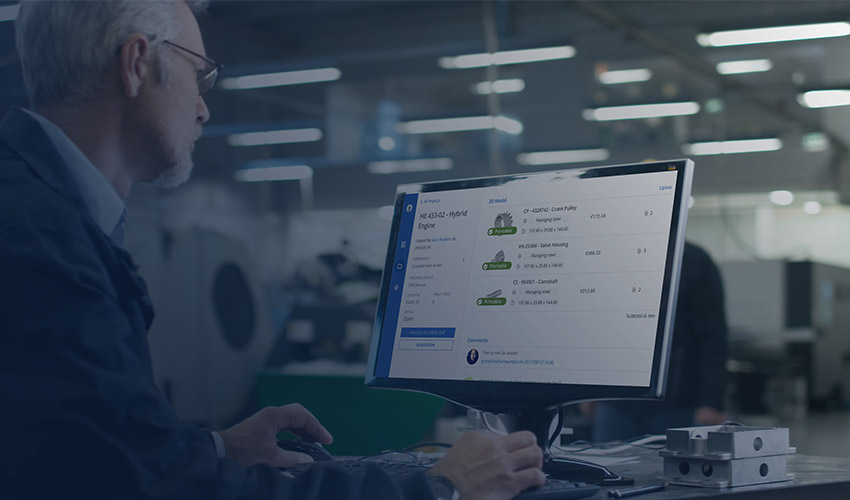 Software3YOURMIND provides AM automation software to leading French 3D serviceIt’s no secret that additive manufacturing requires different processes than conventional manufacturing. For this reason, AM automation software can enable companies to unite every stage of production to optimize the AM workflow. Having identified this need, 3YOURMIND is providin