Applications
Fast Hydrogel Stereolithography Printing to Revolutionise Organ Transplants
Researchers from the University at Buffalo in New York have developed a way to create large‐scale biocompatible hydrogel models using a fast hydrogel stereolithography printing (FLOAT) method. This method is said to be suitable for printing cells with embedded blood…
- 3 min read
- Applications
- Six more stories
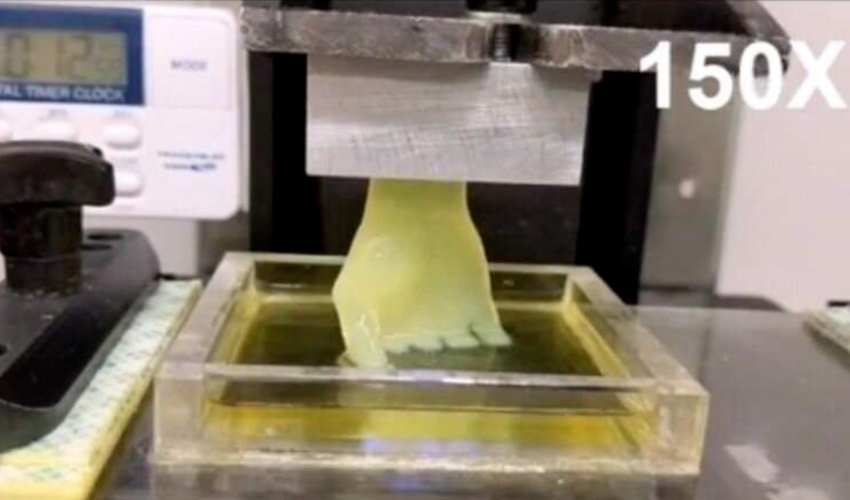
Researchers from the University at Buffalo in New York have developed a way to create large‐scale biocompatible hydrogel models using a fast hydrogel stereolithography printing (FLOAT) method. This method is said to be suitable for printing cells with embedded blood vessel networks, a budding technology expected to be a crucial element of the production of 3D printed human tissue and organs. As of February 2021, over 107’000 people in the U.S. are on a waiting list for an organ transplant. Each day, seventeen of these people die. This is largely due a shortage of donors as well as the low rate (around 0.03%) of deaths which occur in such a way that the organs are preserved well enough to be used in a transplant. As such, methods that rely on artificial alternatives could offer a far more reliable and life saving alternative.
According to University at Buffalo engineers, this discovery marks a step forward in the endeavor to use biotechnology to 3D print human tissue and organs, and ultimately save countless lives which would otherwise have been lost because of a shortage of donor organs.“Our method allows for the rapid printing of centimeter-sized hydrogel models. It significantly reduces part deformation and cellular injuries caused by the prolonged exposure to the environmental stresses you commonly see in conventional 3D printing methods,” explains the study’s co-lead author, Chi Zhou, PhD, associate professor of industrial and systems engineering.

Co-lead authors of the study: Ruogang Zhao, PhD associate professor of biomedical engineering (left) and Chi Zhou, associate professor of industrial and systems engineering (right).
While the fast hydrogel stereolithography printing technology itself is new, the 3D printing of hydrogels has been around for several years and has been at the foundation of several innovations within the additive manufacturing industry, in particular the medical sector, including a new method of administering cancer treatment, and brain implants, among others.. Researchers from Carnegie Mellon were even able to bioprint parts of the human heart using a FluidForm technology, known as FRESH (Freeform Reversible Embedding of Suspended Hydrogels). Hydrogels are of particular use to several sectors, due to the materials’ particular ability to contain water while still maintain solidity and shape. While hydrogels can be produced by 3D printing highly hydrated polymer networks, they are also naturally occurring and can even be found in the human body.
More from the desk
Six other notes from the rest of the bench.
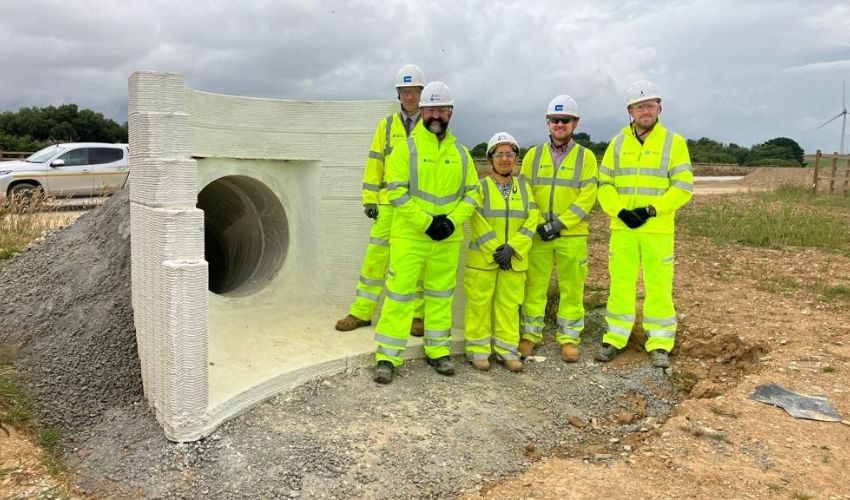 NewsCambridge Researchers 3D Print Smart Wall on UK National HighwaysCambridge researchers have achieved a significant milestone by developing the first 3D printed concrete infrastructure for a National Highways project. The innovative structure, known as a headwall, has been installed on the A30 in Cornwall and is equipped with sensors…
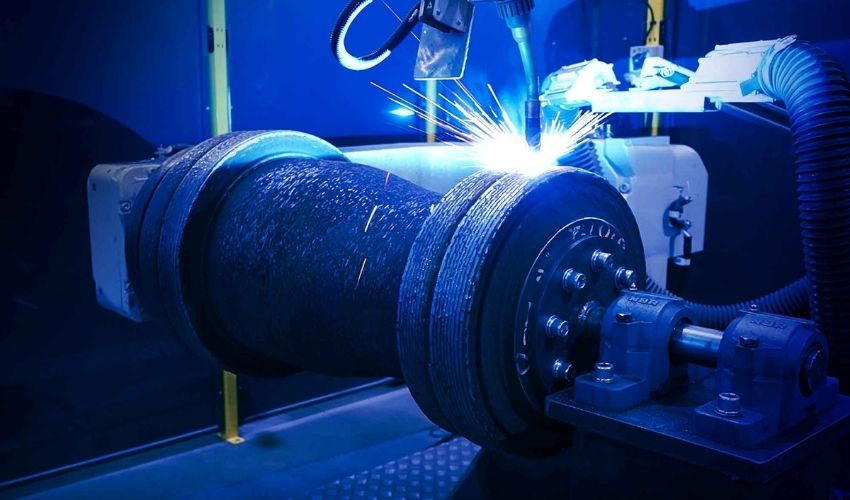 NewsAML3D Created the Largest, Verified Oil & Gas Piping Component Using 3D PrintingAdditive manufacturing in the oil & gas industry is continuing to grow. AML3D has announced that they have made the largest, verified, metal oil & gas high-pressure piping component using 3D printing. It was created using AML3D’s Wire Additive Manufacturing…
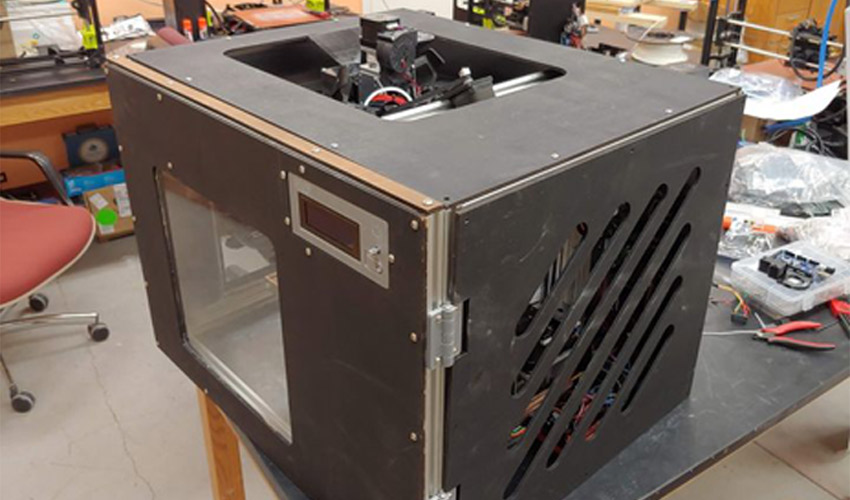 PrintersCerberus, open-source 3D printer for less than $1,000At Michigan Technological University, a team revealed plans for an open-source 3D printer called Cerberus. This additive manufacturing solution would be capable of extruding high-performance materials at a relatively affordable price, since the machine itself can be built for les
 ApplicationsMcLaren Adopts Divergent’s DAPS for Enhanced Supercar PerformanceFollowing its increased adoption of 3D printing, which has almost entirely replaced the company’s traditional methods for prototype manufacturing since April, McLaren Automotive has announced a multi-year collaboration with Divergent Technologies, a California-based leader in ind
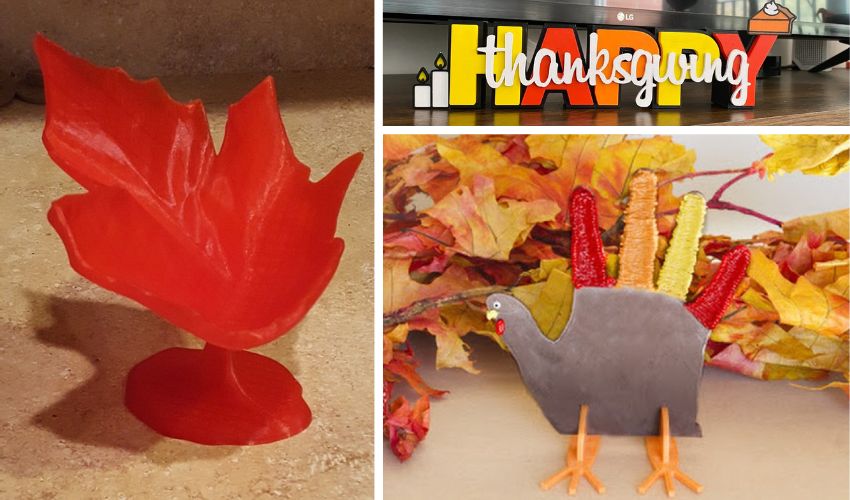 GuidesThe Top Thanksgiving STL FilesThanksgiving is a time for celebration, spending time with family and friends, and of course, enjoying good food. For many, it is one of the year’s biggest gatherings where reconnecting with your loved ones is part of looking back on…
 GuidesPVP on Large Format 3D Printing in the Advertising IndustryIn the advertising and communications industry, 3D printing is highly valued for its design flexibility, personalized approach, and fast production capabilities. One such company embracing this technology is PVP, a family-owned advertising specialist. They provide a range of comm