Guides
What’s Next For Fabrica Group After Acquisition by Nano Dimension?
Never has it been clearer that the field of additive manufacturing never sleeps. Though many countries have still been struggling with lockdowns and resurgences of COVID-19, AM manufacturers have stayed busy. This is evident especially in the numerous acquisitions and…
- 3 min read
- Guides
- Six more stories
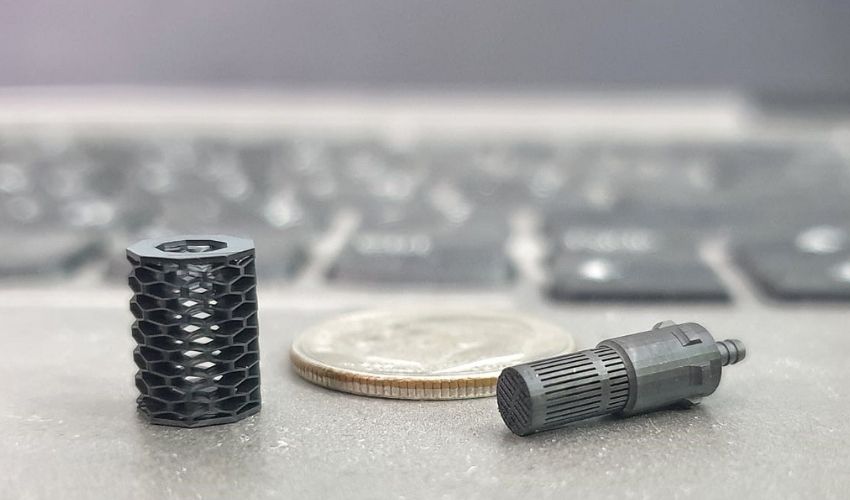
Never has it been clearer that the field of additive manufacturing never sleeps. Though many countries have still been struggling with lockdowns and resurgences of COVID-19, AM manufacturers have stayed busy. This is evident especially in the numerous acquisitions and mergers that have occurred. One such example was between two companies in the microscale additive manufacturing (AM) sector when Nano Dimension acquired Nanofabrica, now renamed Fabrica Group. We decided to catch up with Avi Cohen, EVP Global Sales for the company to discuss how the recent corporate alignment will change micro-AM and accelerate the adoption of the technologies worldwide. We also delved into the Fabrica 2.0 3D-Additive-Micro-Manufacturing-Machine, how it works and how it can change how manufacturers make micro plastic parts and components.
Restructuring at Nanofabrica

Avi Cohen, EVP Global Sales at Fabrica Group
Earlier this year, Nanofabrica was acquired by fellow additive manufacturing company, Nano Dimension, a leader specifically in additively manufactured electronics (AME) and printed electronics (PE). Commenting on the acquisition, Avi Cohen, EVP Sales in Fabrica Group, noted several of the changes that have already taken place, “After Nanofabrica was acquired by Nano Dimension, it was rebranded Nano Dimension’s Fabrica Group. At the same time, our AM solution Tera 250 became the Fabrica 2.0 3D-Additive-Micro-Manufacturing-System.” While Nano Dimension focuses on micro-electronics, notably through their DragonFly material jetting system, Nanofabrica is known for various applications in microscale additive manufacturing including medical, micro-tooling, and more. The two companies’ solutions complement each other, and it is expected that through their collaboration they will be able to advance even further in the relatively new micro-AM field.
Avi Cohen mentioned the advantages that it has had specifically on the commercialization of their technology, the newly christened Fabrica 2.0: “What we are now focusing on after the acquisition, and one area in which Nano Dimension can accelerate us, is with the further commercialization of the Fabrica 2.0. The machine is particularly useful for original equipment manufacturers (OEMs) in all industries that are looking to manufacture small parts. Or for that matter, larger parts that need a micron-level accuracy. Thanks to Nano Dimension’s organizational structure as well as its geographical wingspan, we expect to fast-track our own sales efforts toward the goal of introducing our technology in new markets internationally.”
More from the desk
Six other notes from the rest of the bench.
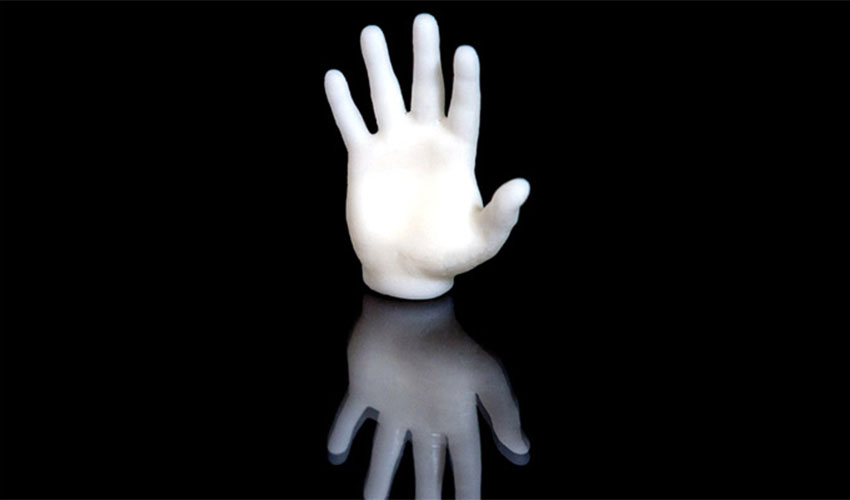 MaterialsSpectroplast receives €1.38 million to advance silicone 3D printingSpectroplast AG, the SLA silicone additive manufacturing service company just completed a €1.38 million funding round led by Munich-based investor, AM Ventures. We told you about Spectroplast in February in an interview with co-founder, Petar Stefanov. The startup spun out&hellip
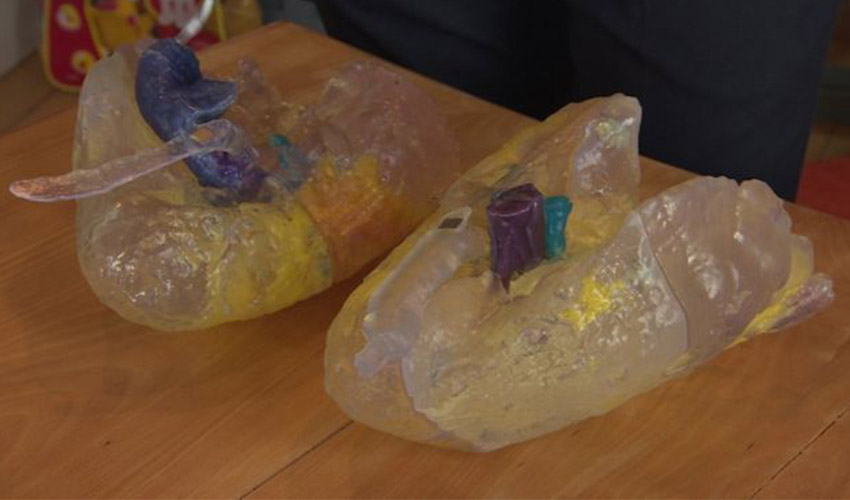 NewsInsight into the lungs of a COVID-19 patient with 3D printingAs we emerge from the first wave of the COVID-19 global pandemic, researchers and scientists around the world are still trying to understand this disease. Today, doctors have warned that COVID-19 survivors could face long-term treatment as the virus often…
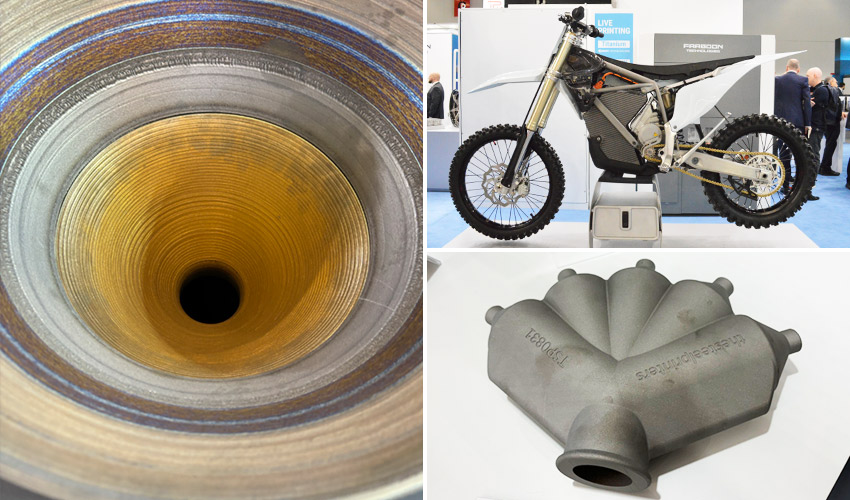 NewsThe Coolest Metal Applications at Formnext 2024It goes without saying that at Formnext attendees will see incredible solutions, whether for 3D printing, software or materials. But what should also not be ignored are the amazing applications that different companies are bringing to their booths. At Formnext…
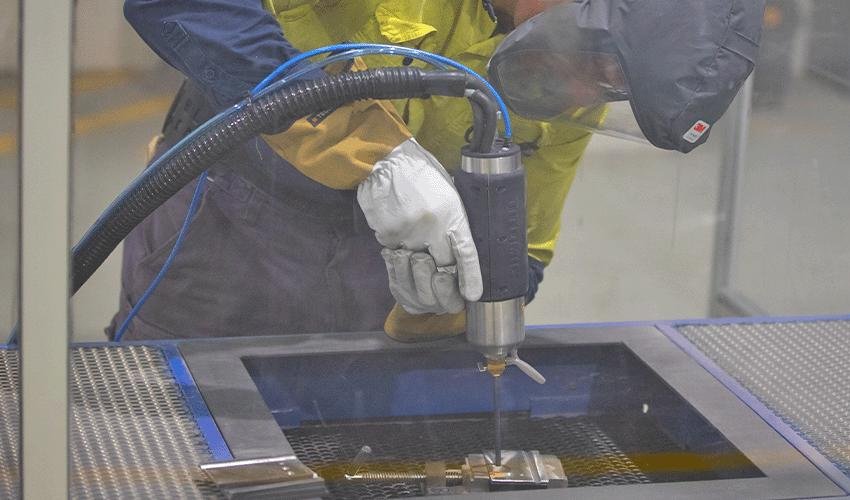 ApplicationsTitomic’s D523 3D Printers Head to Ukraine Front Line After Largest-Ever SaleThe integration of 3D printing technology into military operations has steadily increased in recent years. From prototyping and tooling to spare parts production and battlefield repairs, additive manufacturing offers various advantages for military applications. Leveraging this g
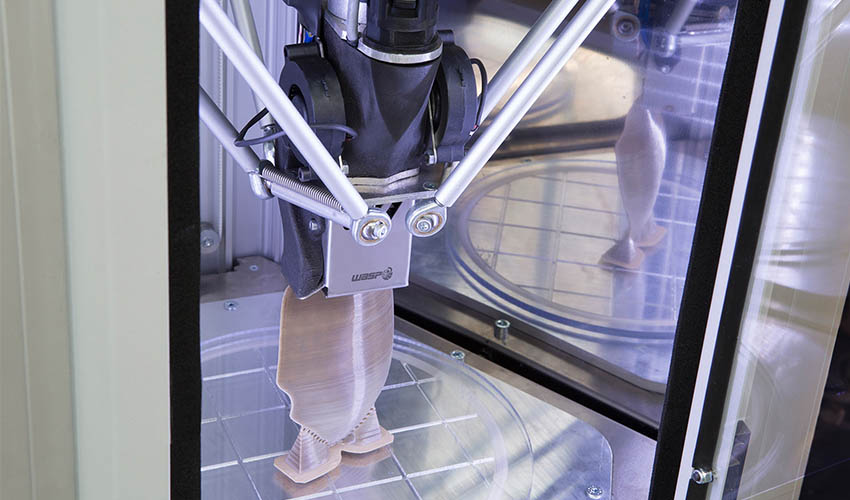 PrintersNew 3D printer from WASP prints medical-grade PEEK from pelletsDuring Formnext 2019, the 3D printer manufacturer WASP launched a new solution that prints medical-grade PEEK from pellets. WASP has gained recognition in the industry for its 3D printers dedicated to the construction sector – today it is bringing its…
 ApplicationsInfographic: 3D Printing in the Maritime IndustryA few weeks ago, we took a look at the applications of additive manufacturing in the railway industry, and now it is time to take a closer look at the impact of 3D technologies on the maritime sector. This sector…