Software
#3DStartup: Exponential Technologies (xT) Optimizing Production Processes With AI
Optimization of printer parameters is an area in additive manufacturing that is currently experiencing a surge of innovation. This is because in order for companies to scale production and add additional printers to their fleet, consideration must be given to…
- 3 min read
- Software
- Six more stories
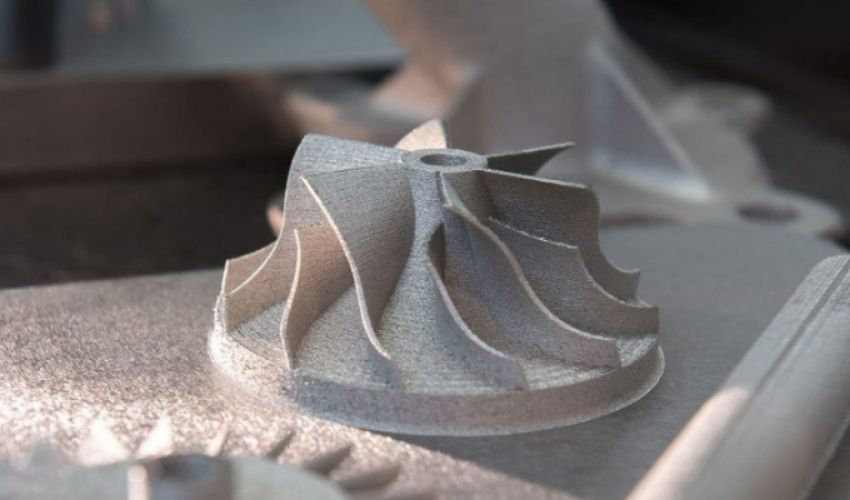
Optimization of printer parameters is an area in additive manufacturing that is currently experiencing a surge of innovation. This is because in order for companies to scale production and add additional printers to their fleet, consideration must be given to how much time and cost will be committed to the development of additional printer parameters. Parameters can change for small details, such as the serial number for even the same printer model. This is one of the challenges startup Exponential Technologies (xT) has been tackling and achieving great success by providing an artificial intelligence (AI) platform and research management system which allows companies to optimize processes and machine parameters as well as material composition. Exponential Technologies (xT) was founded in 2019 by Pavel Cacivkin, Matthias Kaiser, and Girts Smelters to develop and bring to market the AI/ML algorithms developed by Pavel Cacivkin. Since then, the startup has garnered quite a bit of attention, including being named winner of the 2019 Formnext Startup Challenge and securing pre-seed investment from Berlin-based venture capital fund APX which will help the startup expand its presence in Germany. We spoke with Matthias Kaiser, xT CEO, to learn more about how the startup is using AI and machine learning to optimize production processes for their AM clients.
3DN: Can you introduce yourself and your company, and why you started working in 3D printing?
Exponential Technologies has made it our mission to drive the mass adoption of additive manufacturing (AM) as an industrial manufacturing method. The introduction of AM into an existing production process is very resource-consuming and can take years. Existing machines and software solutions require a high level of expertise in AM to achieve optimal end results. This makes AM still only an option for innovators and early adopters. However, to reach a mass market the use of AM processes must become much easier and intuitive so that also users with only limited AM experience can achieve good results for the printed end-parts. A major unsolved problem are the printer parameters. Standard printer parameters, given by the machine manufacturers, are often not sufficient for the processes of the end-user and require customization. However, the printer parameter development is a costly and time-consuming process.
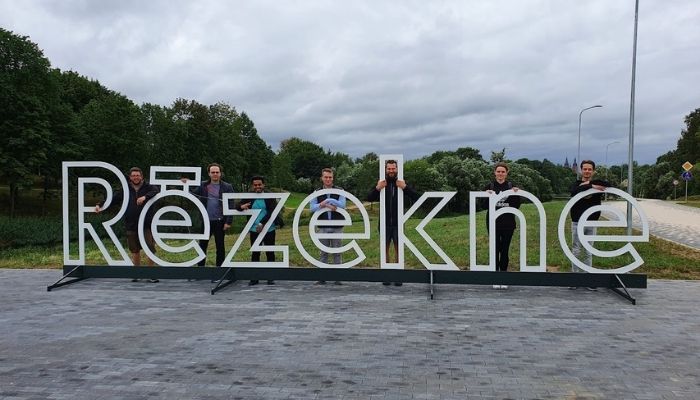
Exponential Technologies (xT) team celebrating the company’s 2-year anniversary (Photo Credit: xT)
3DN: What are the advantages of using AI and machine learning in the additive manufacturing industry? Are there any challenges?
Our xT AMi platform allows for the fast and easy development and optimization of printer parameters and the gathering of information about applications, machines, processes, and materials. To do so, we combine different AI and machine learning algorithms with already existing data and material science. In the first step, this allows the user to develop and optimize printer parameters using less real-life experimentation. However, the final goal is to achieve “first time right”, which would mean no real experimentation. This goal, however, will require much larger data amounts than currently available. Here we also have plans on how to organize and incentivize data sharing between multiple stakeholders, like end-users, machine and materials manufacturers, research organizations, and many others.
More from the desk
Six other notes from the rest of the bench.
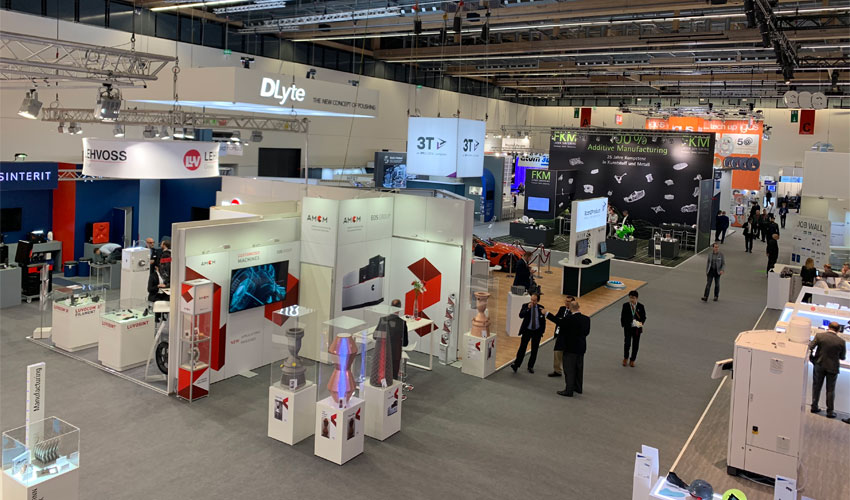 NewsFormnext 2019: industrial additive manufacturing in full boomThis year again, Formnext was a big success: bringing together more than 850 exhibitors and 34,500 participants (compared to 27,000 last year), the 5th edition focused on the industrialization of additive manufacturing technologies. It must be said that this year…
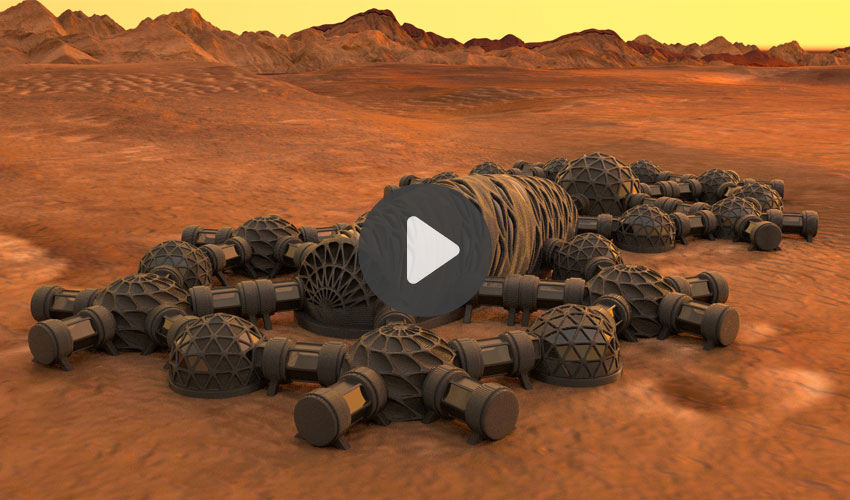 NewsTOP 5 videos of the week: 3D printed space habitat and much more!We found the TOP 5 videos of the week related to 3D printing and additive manufacturing here. Share your videos and comment on the article below or on the 3Dnatives’ Facebook or Twitter account. Hope you’ll enjoy and have a…
 NewsHawaiian Students 3D Print Molds for Local Chocolate ShopAs part of a new 3D printing project, a group of students from the Department of Mechanical Engineering at the University of Hawaii recently teamed up with a local chocolate shop. The goal of the collaboration of these students and…
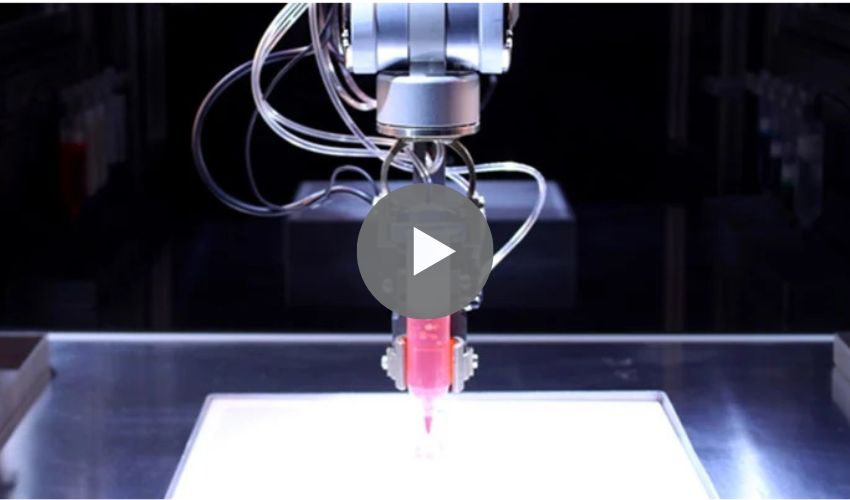 NewsTop 5 Videos: The Future of Bioprinting in MedicineIt’s the special time of the week again and you know what that means! Like every Sunday, we present you with what’s new and exciting throughout the world of 3D printing. We start off with a video that takes a…
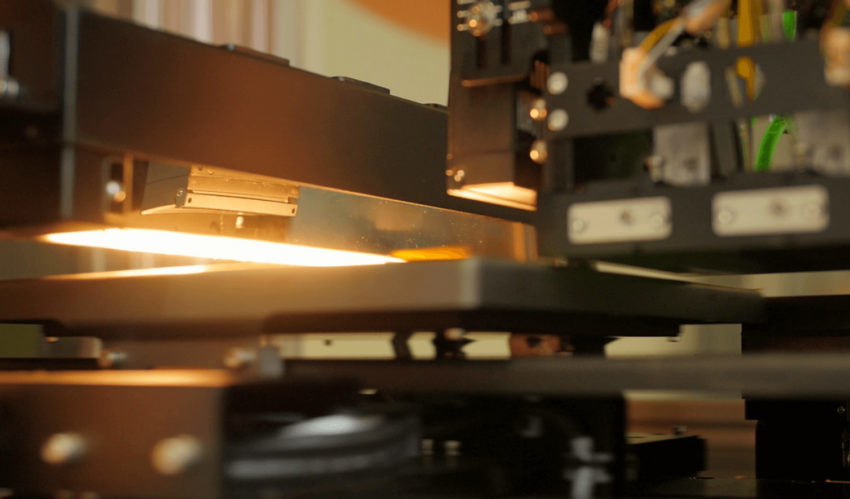 NewsNano Dimension stocks soar thanks to 3D printing technologyNano Dimension is an Israeli manufacturer that specialises in intelligent machines for the 3D printing of high fidelity active electronic and electromechanical subassemblies, and has recently obtained a patent for their circuit board additively manufactured with inkjet printing.
 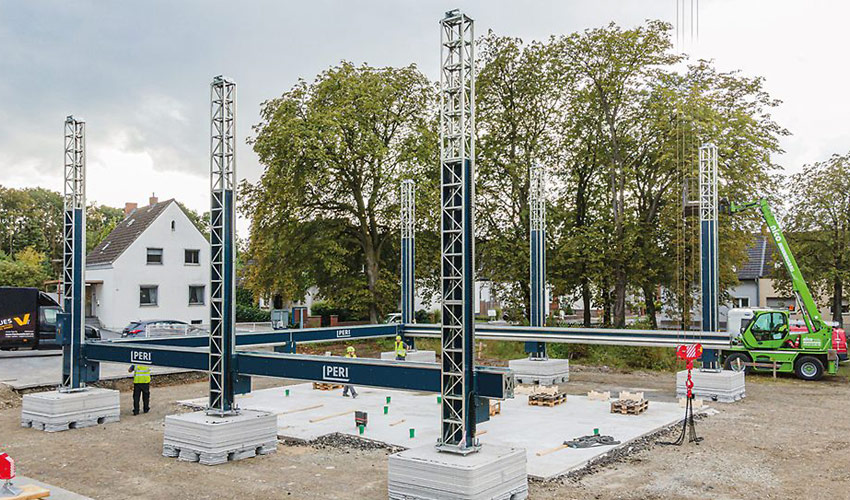 NewsThe first 3D printed residential building in GermanyThe first 3D printed residential building will be erected in Germany, more precisely in the city of Beckum, Westphalia. The two-storey house will offer 80 square meters per floor, with walls built by the concrete 3D printer BOD2 from the…