News
Expert 3D: medical imaging training combines artificial intelligence and 3D printing
Additive manufacturing has a key role to play in the medical sector, whether for surgery, dentistry, orthopaedics, etc. It must be said that it offers many benefits to doctors, who, using this technology, are able adapt devices to patients, offering…
- 3 min read
- News
- Six more stories
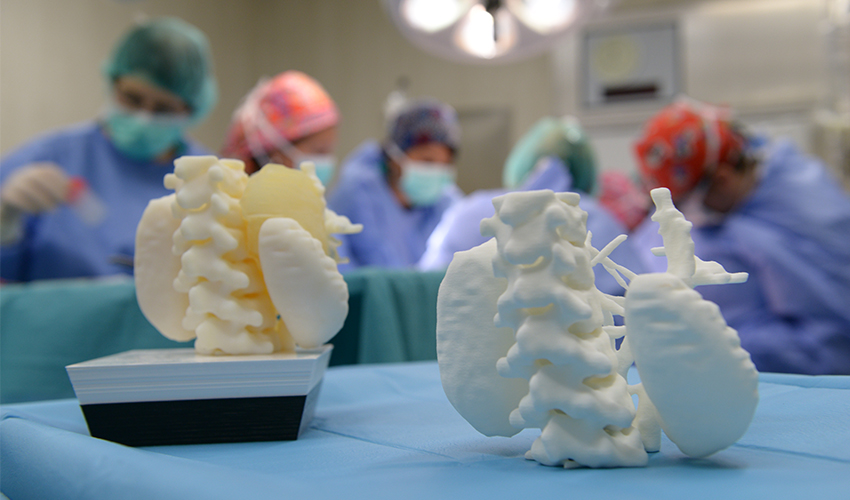
Additive manufacturing has a key role to play in the medical sector, whether for surgery, dentistry, orthopaedics, etc. It must be said that it offers many benefits to doctors, who, using this technology, are able adapt devices to patients, offering them a solution that is as close as possible to patients’ needs. The private hospital Sant Joan de Déu in Spain, is a good example of using additive manufacturing successfully in the medical sector. For this reason, it has launched a training for doctors, engineers and technicians, combining artificial intelligence and 3D printing, called Expert 3D. It enables healthcare professionals and people with technical knowledge, interested in health applications to acquire skills in additive manufacturing, medical imaging and AI, so that they can take full advantage of their benefits.
The training offer includes several theoretical modules dedicated to the main aspects such as innovation in image and health, medical imaging, 3D imaging and printing, bioprinting, artificial intelligence and radiomics. The aim is to provide healthcare professionals involved in the post-processing of medical imaging, whether in the clinical or health field or from engineering, with the theoretical and practical knowledge they need to use new imaging technologies for diagnostic purposes. This course was born out of an unprecedented observation, according to the team behind Expert 3D: “We identified the existing gap between technical and clinical knowledge, between medical specialties and engineering, and the need for new courses to form mixed profiles capable of understanding both sides, analysing problems and developing solutions to existing and possibly unmet needs with these new technologies. We did not find solutions that really met this need, which is why we created Expert 3D.”
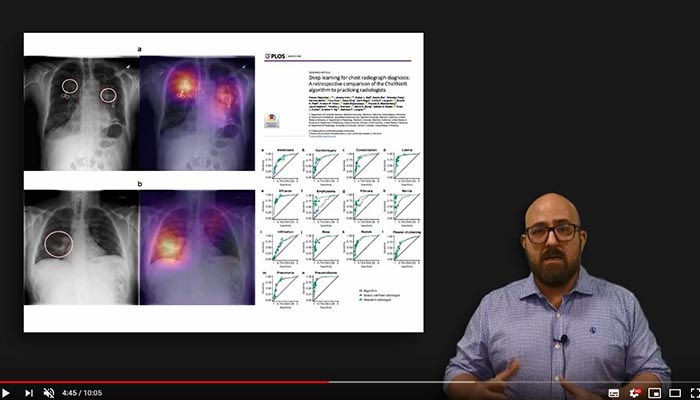
The training offers online resources
The importance of new technologies in medical imaging
Today, the various medical imaging techniques make it possible to visualise a patient’s anatomy, metabolism and physiology. However, the rise of additive manufacturing in the medical sector has made it possible to move from virtual to reality: it is now possible to print an anatomical model before going to the operating theatre, for example, or to create a physical model of a tumour, or to design tools to support surgery in order to understand it better. Today’s technologies are more precise, more realistic, and offer better visualisation of the human body. They make it possible to reduce surgery times but also to improve the learning phase for new medical students.
More from the desk
Six other notes from the rest of the bench.
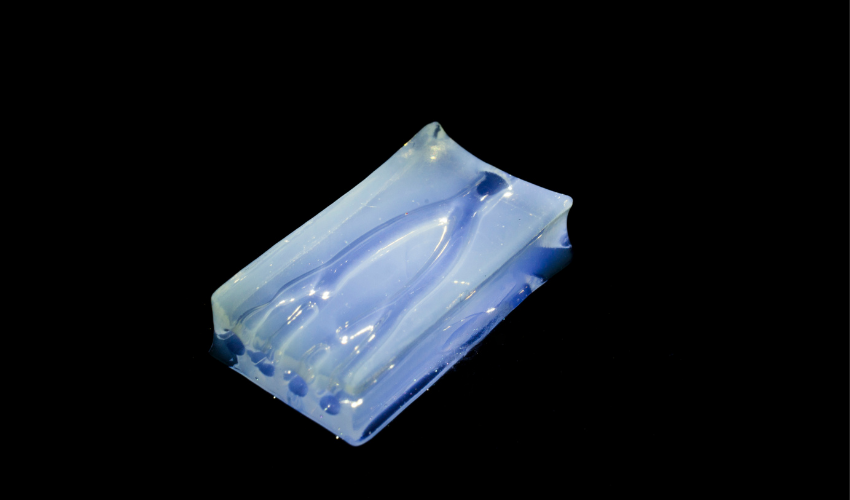 NewsReadily3D to 3D Print Pancreas Models for Diabetes ResearchReadily3D, a spin-off of the Ecole polytechnique federale de Lausanne (EPFL) a top research institute and university in Switzerland, has joined a European project to develop a living model of the pancreas. They hope to use the pancreas for better testing…
 NewsTop 5 Videos: Emirates, GE & More!This week’s Top 5 Videos contains a variety of interesting videos from companies, and researchers. These range from new printing processes, to plans to build 3D-printing drone armies that can build shelters for those affected by natural disasters. Remember, a…
 Guides#Working3D: Six Questions for a Specialist in Quality ControlToday we bring you a new installment of #Working3D, the series of articles in which we give insight into the different jobs that exist in the additive manufacturing industry. Specifically, we will get to know in detail one of the…
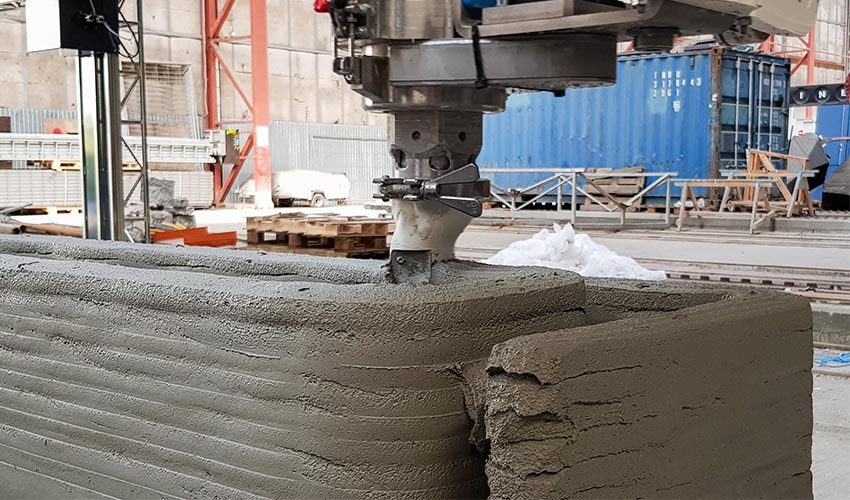 NewsThe world’s largest construction 3D printer is ready to be sent to The Middle EastWe told you back in March about how COBOD International had sold its BOD2 construction 3D printer to the Saudi Arabian company Elite for Construction & Development Co. This version of the BOD2 is the largest construction 3D printer in…
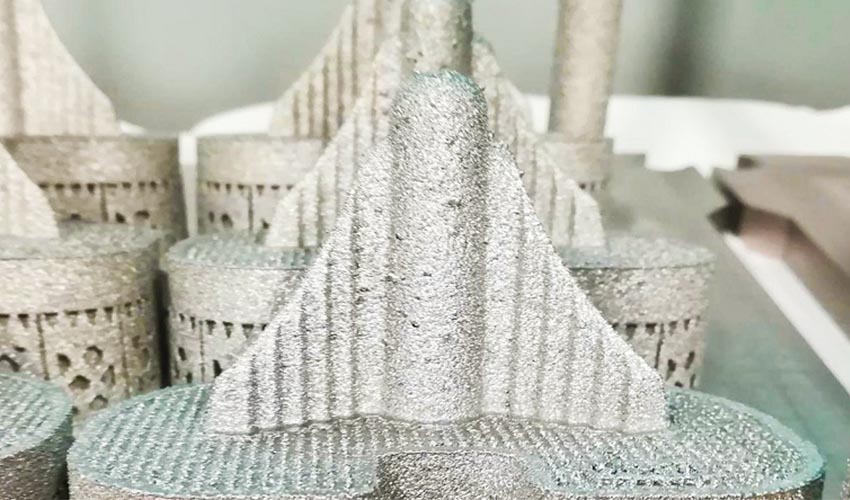 ApplicationsKnee replacement with additive manufacturing and artificial intelligenceThe Italian medical implant manufacturer, REJOINT, announced it is using GE Additive’s Electron Beam Melting (EBM) technology to additively manufacture knee implants. The medical company aims to offer a customized medical solution to patients. Both additive manufacturing and arti
 NewsDyndrite Unveils its Next-Gen AM Software at RAPID + TCTOne of the clear themes we have seen throughout RAPID + TCT is the importance of the entire additive manufacturing value chain. Software especially has been in the highlight as one of the keys to truly moving the 3D printing…