News
The European Space Agency’s moon brick
The age of space living may be upon us as the European Space Agency (ESA) has just announced new developments in what looks to be the future of space colonization. Following NASA’s innovations in 3D printed chainmail and their 3D printed…
- 3 min read
- News
- Six more stories
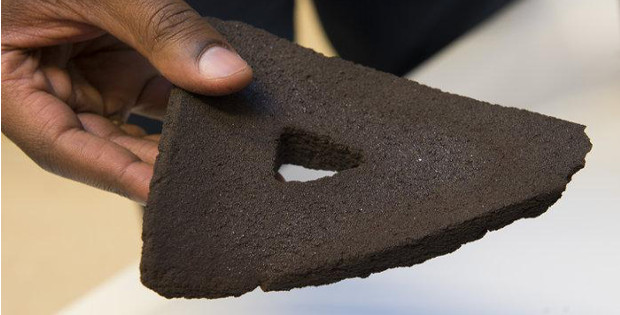
The age of space living may be upon us as the European Space Agency (ESA) has just announced new developments in what looks to be the future of space colonization. Following NASA’s innovations in 3D printed chainmail and their 3D printed moon village that’s set for 2030, the ESA has brought forward a new development of a brick that is printed thanks to moon dust and the sun.
Made from a commercial simulated lunar soil, researchers used a 3D printer table that includes 147 curved mirrors, which focus sunlight onto a high-temperature beam that then melts the lunar soil into thin layers. Although the solar furnace runs at a temperatures of 1,830° F (1000° C), the process itself isn’t quick, taking about 5 hours in total. At the end of the process, we are left with a solid brick that could potentially be the foundation of our future moon home.
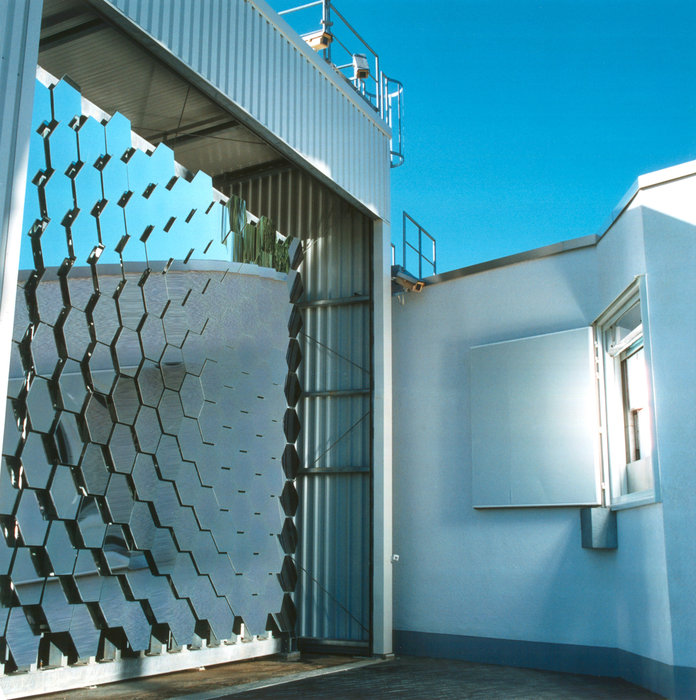
The solar furnace used, which is located at the German Aerospace Center in Cologne
The original goal in creating these bricks was for use in space, but with the results that they have received, researchers believe that this system could also be used here on earth to 3D print using solar power. Tommaso Ghidini, the head of the ESA’s Materials and Process division explains that “3D printing civil structures using solar power and in-situ resources could support rapid construction of post-disaster emergency shelters, removing long, costly and often inefficient supply chains.”
More from the desk
Six other notes from the rest of the bench.
 News#TOP5 videos of the week: HP 3D prints spare parts and more!We found the TOP 5 videos of the week related to 3D printing and collected the additive manufacturing here. Share your videos and comment on the article below or on the 3Dnatives’ Facebook or Twitter account. Hope you’ll enjoy and…
 GuidesThe Faces of Additive Manufacturing: Gil LaviAfter Avi Reichental and Hanan Gothait, we continue our series on additive manufacturing personalities with Gil Lavi. This industry pioneer began his career in the 2000s, working for the manufacturer Objet Geometries (now Stratasys) before embarking on his own entrepreneurial&hel
 NewsResearchers Design a 3D Printer Made From an Xbox 360What if you could turn your video game console into a 3D printer? That is the crazy idea of a team of researchers at the Technical University of Denmark (TUD) who converted an Xbox 360 into a 3D printer. They…
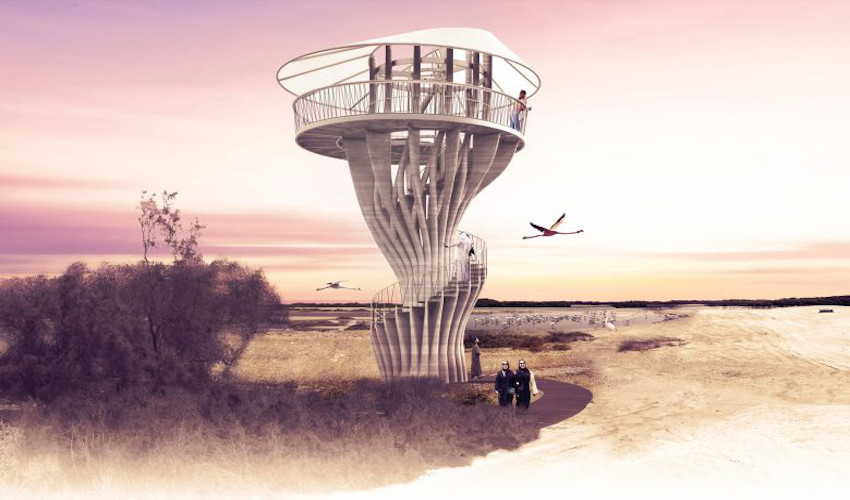 News3D Printed Observation Tower in Dubai’s Desert3D construction printing (3DCP) refers to various technologies that use additive manufacturing as a core method to fabricate buildings or construction components. We have already written about several 3D printed bridges and the 3D printed floating house project. The most…
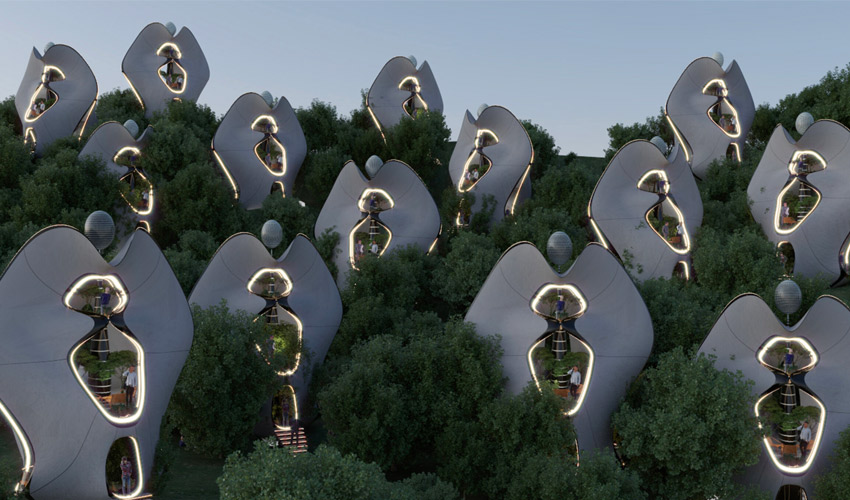 NewsMASK Architects Designs Self-Sustainable 3D Printed Steel StructuresMASK Architects has revealed a new concept of 3D printed steel modular structures, named “The Madre Natura”, which will be placed near the Nivola Museum, in Sardinia. In order to erect these small modular houses, the studio should rely on…
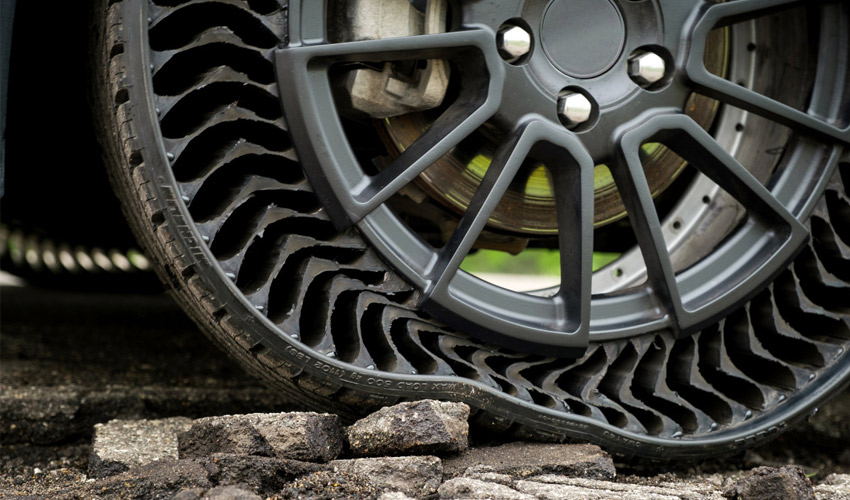 ApplicationsUptis, airless and puncture-proof tire thanks to 3D printingThe French tire manufacturer Michelin presented its first prototype tire, supported by additive manufacturing technologies – it is called Uptis (Unique Puncture-proof Tire System) and it is a mounted assembly designed without air to avoid all punctures. The company worked&h