Applications
EOS and Hyperganic 3D Print More Efficient Space Propulsion Components
The German manufacturer EOS recently signed a partnership with Hyperganic, a company based in Munich, which develops algorithmic engineering software based on artificial intelligence. The goal of this cooperation in is to integrate the Hyperganic core platform with EOS’ 3D&
- 3 min read
- Applications
- Six more stories
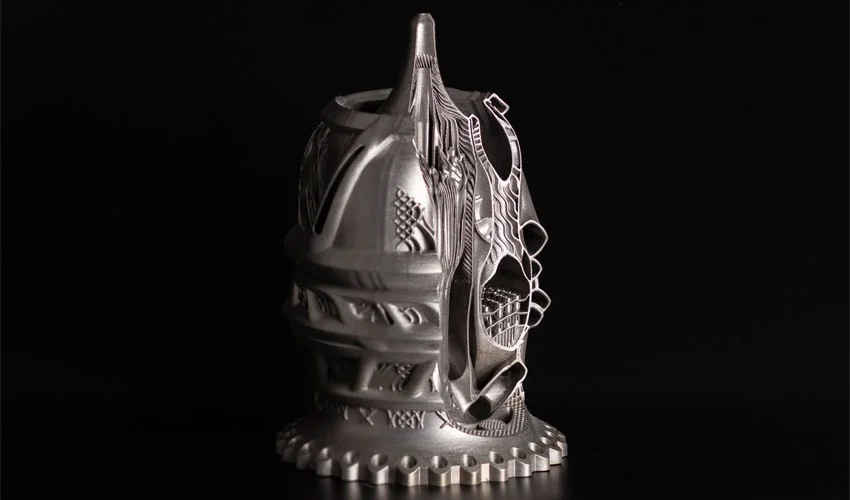
The German manufacturer EOS recently signed a partnership with Hyperganic, a company based in Munich, which develops algorithmic engineering software based on artificial intelligence. The goal of this cooperation in is to integrate the Hyperganic core platform with EOS’ 3D printing solutions and thus enable the design of complex and optimized parts for additive manufacturing processes. One of the first achievements of this strategic partnership is an aerospike rocket engine, which is characterized by its complex design. At first, the engine was 3D printed from a nickel alloy and later made from copper in a larger volume.
Founded in 2015, Hyperganic quickly became a key player in the additive manufacturing design industry. It has developed software that can reproduce nature-inspired shapes and automate each design step to the highest possible degree. In the case of this solution, it relies on algorithms and artificial intelligence to optimize the performance of the 3D printed part. When we met with the company in 2019, its goal was to diversify its partnerships and get closer to 3D printer manufacturers. A plan it has successfully implemented by recently signing the new agreement with EOS. Lin Kayser, CEO of Hyperganic, says, “we are very excited to partner with EOS in this industry-first collaboration. Algorithmic Engineering translates ideas into designs in minutes, with the engineer setting the rules and the computer generating the results. Specifically, the field of space propulsion which still uses very conservative designs, will benefit greatly from Algorithmic Engineering.”
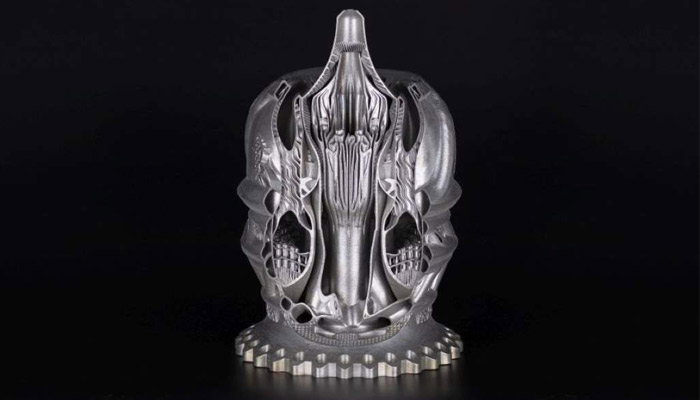
Photo Credits: EOS / Hyperganic
EOS and Hyperganic advance the field of space propulsion
Keeping that in mind, the two companies created a 3D printed aerospike rocket engine. Hyperganic’s teams came up with an innovative design based on an algorithmic model. Several hundred iterations were generated and one of them was 3D printed on an EOS M 400-4 machine, without an additional support and using NickelAlloy IN718. This is a major challenge, as this type of engine requires a deconstruction of the a conventional engine design and therefore results in a more complex redesign. It’s important to remember that aerospike nozzles are designed to optimize propulsion efficiency over a wide range of altitudes.
More from the desk
Six other notes from the rest of the bench.
 News3Dnatives Lab: Review of the Snapmaker U1 3D PrinterLong known for its versatile digital fabrication machines—which combine 3D printing, CNC machining, and laser engraving in a single device—Snapmaker has been undergoing a significant strategic shift in recent years. Following the success of its Snapmaker 2.0 and Artisan models,&h
 News3Dsimo multi-functional; from creative toys to professional toolsThe European producer 3Dsimo entered the market back in 2013 and specialises in their 3Dsimo multi-functional tools. The company is behind the world’s first multi-material 3D pen and have kept developing their products ever since. Now they cover categories and…
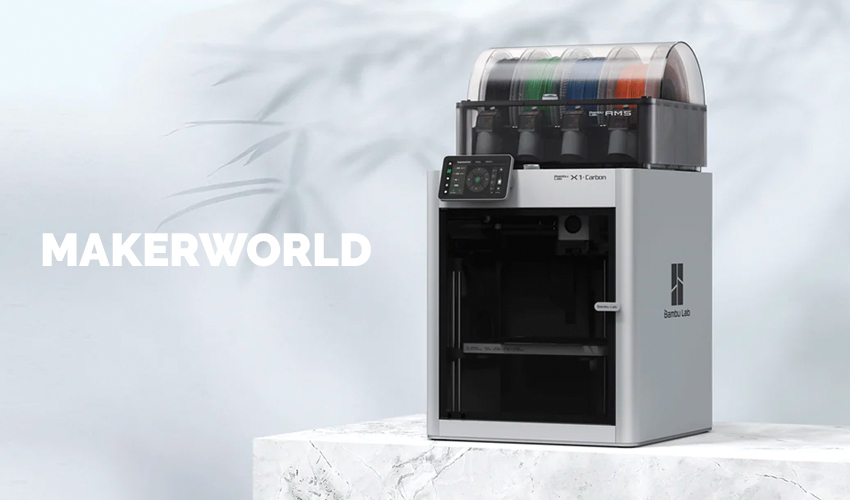 SoftwareBambu Lab Unveils MakerWorld 3D Model PlatformIn the world of FDM/FFF desktop printing, the importance of the 3D model and the platform it is stored on is almost as important as the printer itself. From CAD programs to slicer programs, software is key to a successful…
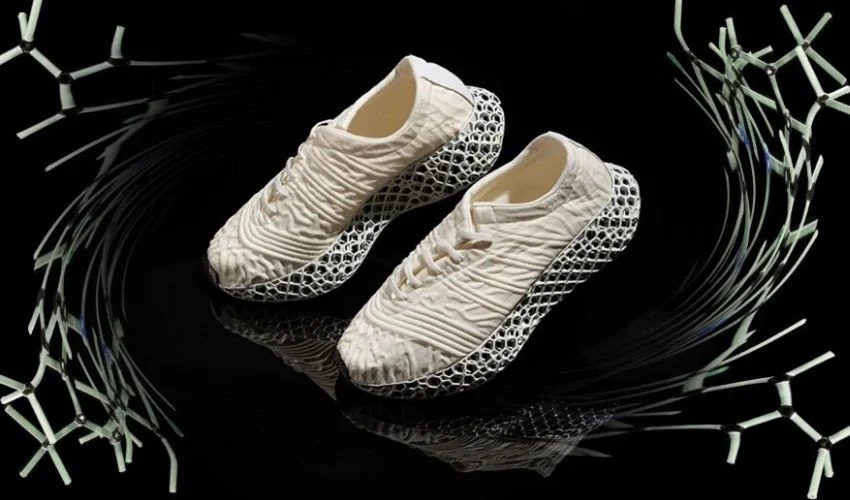 NewsSimplifyber is Offering Eco-Responsible Clothing Made With Additive ManufacturingLike many industries, the textile sector could also find itself upended with the emergence of additive manufacturing. As 3D printers are developed to print materials and colors on textiles, more and more fashion companies are turning to the technology. Among…
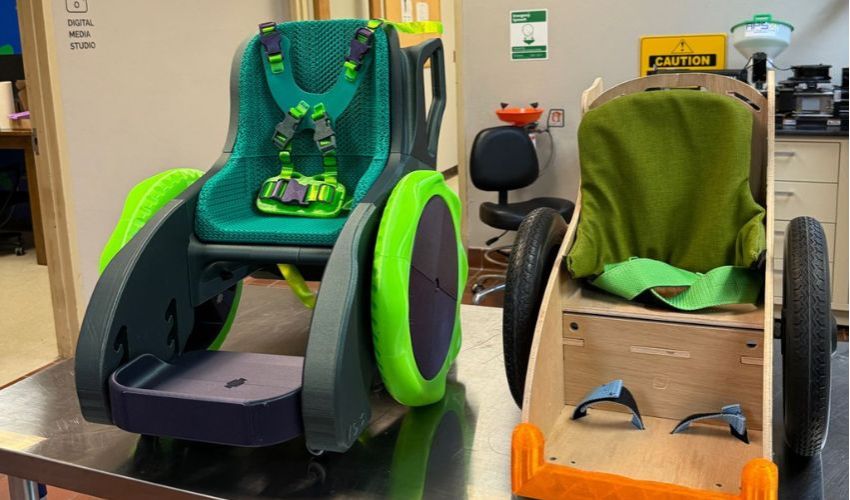 ApplicationsThe First Fully 3D Printed Wheelchair for ChildrenImagine building a wheelchair using a 3D printer, without needing any tools for assembly. Now, imagine that this wheelchair is not a standard model, but is specially designed for children. MakeGood, a New Orleans-based organization specializing in the design of…
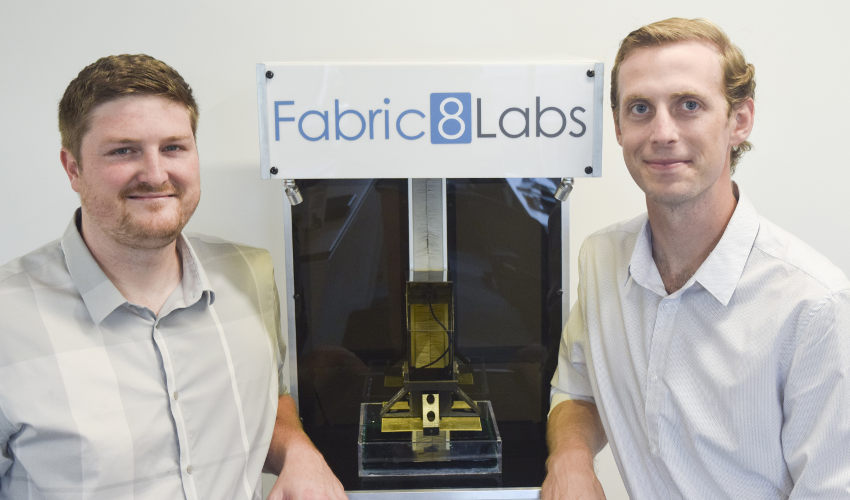 Guides#3DStartup: Fabric8Labs and their metal 3D Printing without Heat, Powder, or a LaserIf you have kept up with the additive manufacturing industry through 2017, you’d know that metal 3D printing is all the rage. With over 20 major companies releasing metal 3D printers and hundreds of millions of dollars being invested, metal…