Guides
Endiatx and its 3D-Printed Robotic Pill Capable of Diagnosing Gastrointestinal Illnesses
As medical 3D printing continues to develop, more and more companies are incorporating it into different applications. This manufacturing method, which offers high customization and production speed, enables a variety of applications in the healthcare field. In particular, 3D pri
- 3 min read
- Guides
- Six more stories
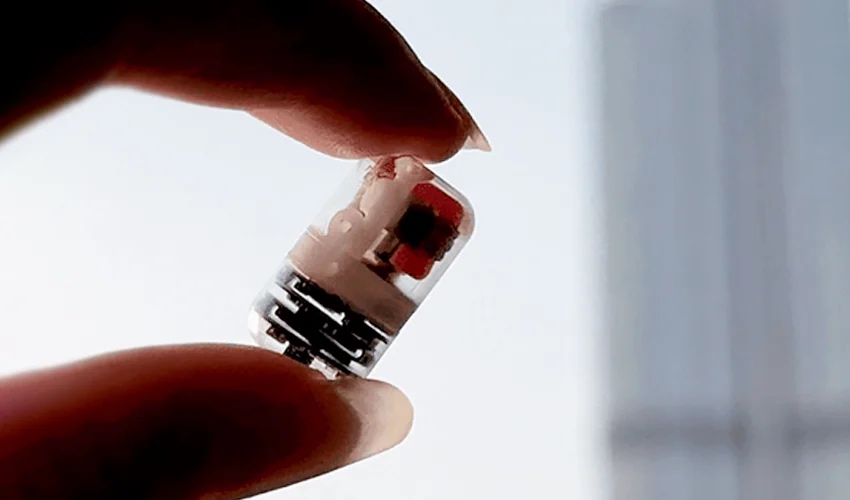
As medical 3D printing continues to develop, more and more companies are incorporating it into different applications. This manufacturing method, which offers high customization and production speed, enables a variety of applications in the healthcare field. In particular, 3D printing offers numerous advantages for the treatment of gastrointestinal and stomach diseases. Start-up Endiatx, for example, has developed PillBot, a 3D-printed motorized robotic pill capable of diagnosing gastrointestinal diseases. We met the Endiatx team to find out more about this innovative solution and how additive manufacturing made it possible.
3DN: Could you introduce yourself and tell us about your connection with 3D printing?
My name is Thomas Silva and I’m Manufacturing Manager at Endiatx. 3D printing technologies have always fascinated me, but it wasn’t until university that I had the opportunity to explore them practically. During my studies, I had access to a wide range of machines, from FDM 3D printers to SLA 3D printers. This exposure enabled me to understand the advantages and limitations of the different versions of additive manufacturing technologies. As I moved into industry, 3D printing took on a whole new meaning for me. From a simple rapid prototyping tool, it has become an essential process for manufacturing various components of end products. Today, it’s an indispensable part of my business, driving innovation and efficiency in our operations.

Thomas Silva with the PillBot
3DN: What is Endiatx? How did the idea of creating the company come about?
Endiatx is a Silicon Valley-based startup working to bring microrobotics to the human body. The company was founded by a group of creatives and inventors who wanted to combine their skills to create innovative technology that would have a positive impact on the lives of people around the world. Inspired by films such as Innerspace (1987), the idea of tiny robots operating inside the human body represented an exciting and challenging technological frontier to explore. We set out to realize this science-fiction vision and revolutionize the way gastrointestinal diseases are diagnosed and treated.
More from the desk
Six other notes from the rest of the bench.
 NewsMASK Architects Designs Self-Sustainable 3D Printed Steel StructuresMASK Architects has revealed a new concept of 3D printed steel modular structures, named “The Madre Natura”, which will be placed near the Nivola Museum, in Sardinia. In order to erect these small modular houses, the studio should rely on…
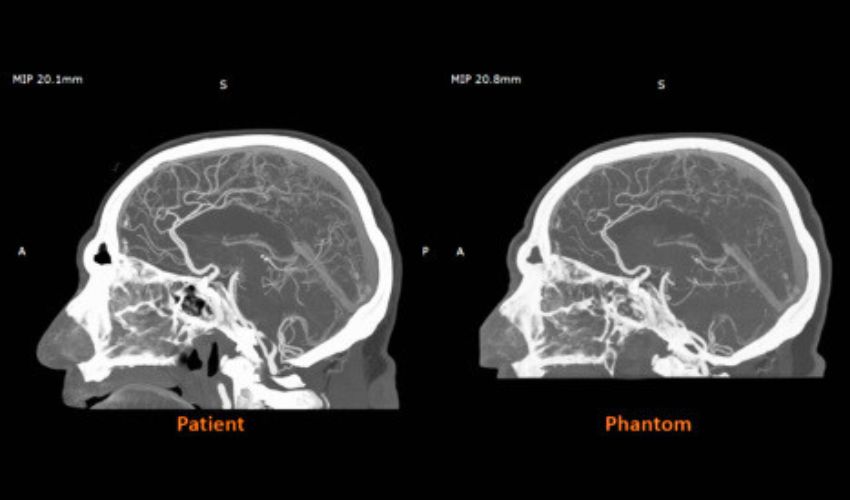 MaterialsStratasys Expands Availability of RadioMatrix™ Radiopaque Material to the United StatesStratasys has announced full U.S. availability of RadioMatrix™, its radiopaque 3D printing material designed for advanced medical imaging education, device testing, and research. The material was previously limited to select programs in Europe. It is now available for healthcare
  NewsTop 5 Videos: 3D Printing Takes Gold at the Repair Center at the ParalympicsWe have come to the end of another week! Now that September is starting to ramp up, the additive manufacturing industry is also waking up after the summer vacation with new stories coming out every day, including videos. So let’s…
 NewsIs the 3D Printing Market Consolidating?Over 2021, we saw a flurry of mergers and acquisitions throughout the additive manufacturing industry. It seemed that the industry was maturing and consolidation would continue, especially into 2022. However, a recent report from IDTechEx suggests this might not actually…
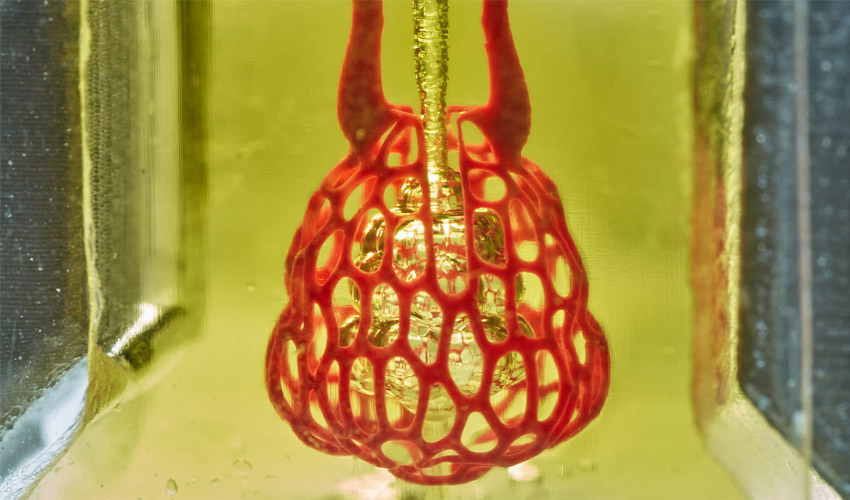 ApplicationsCreating vascular networks to sustain 3D printed organs is becoming possibleThe generative design studio Nervous System has collaborated on new 3D printed organ research and has just made the cover of Science Magazine. The studio has always worked at the intersection of science, art and technology. Three fields that have…
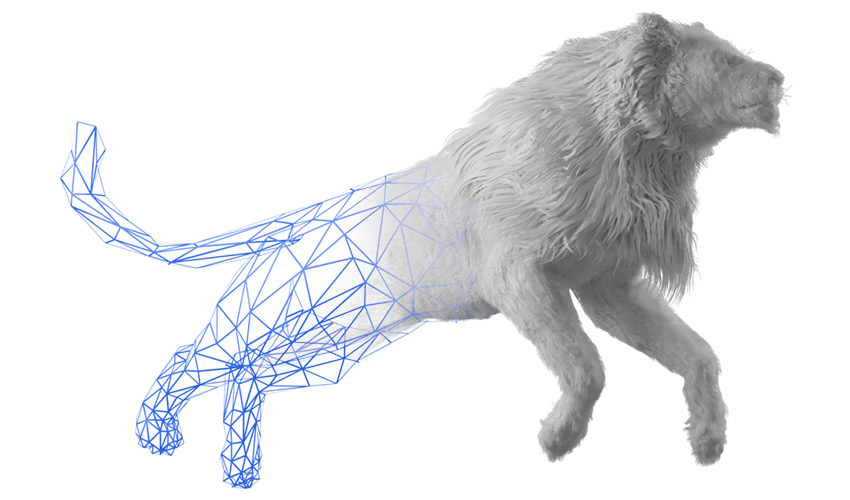 SoftwareLeopoly: A Modeling Software for 3D Design and Virtual RealityLeopoly offers a range of cloud-based 3D modeling tools, suitable for both beginners and advanced users. Tailored to cater to the demands of the 3D printing market, it also meets the needs of the virtual reality and augmented reality space,…