News
EBM vs L-PBF: Which Metal Powder Fusion Process to Choose?
Metal additive manufacturing has grown by leaps and bounds in recent years, making it possible to create complex shapes with enhanced performance and quality. The processes that offer these possibilities are numerous: powder bed fusion, directed energy deposition, binder jetting,
- 3 min read
- News
- Six more stories
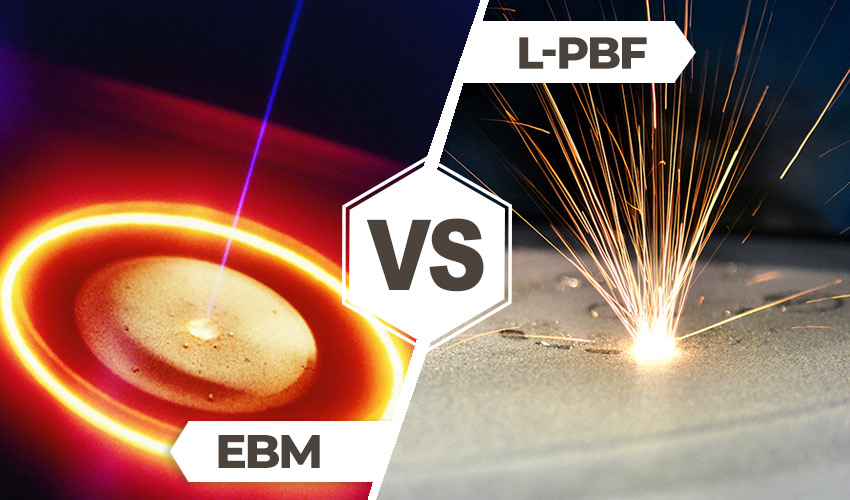
Metal additive manufacturing has grown by leaps and bounds in recent years, making it possible to create complex shapes with enhanced performance and quality. The processes that offer these possibilities are numerous: powder bed fusion, directed energy deposition, binder jetting, and so on. And powder bed fusion is one of the most widely used.
Two separate techniques fall under this umbrella, which differ mainly in the heat source used: laser powder bed fusion (L-PBF) and electron beam melting (EBM). The principle between the two remains the same: fusing metal particles spread out on a printing plate, layer by layer, to create the desired 3D model. But using a laser to perform this operation or an electron beam is obviously different.
So which process should you adopt? What are the characteristics of these two techniques? What do they have in common? We took a closer look.
More from the desk
Six other notes from the rest of the bench.
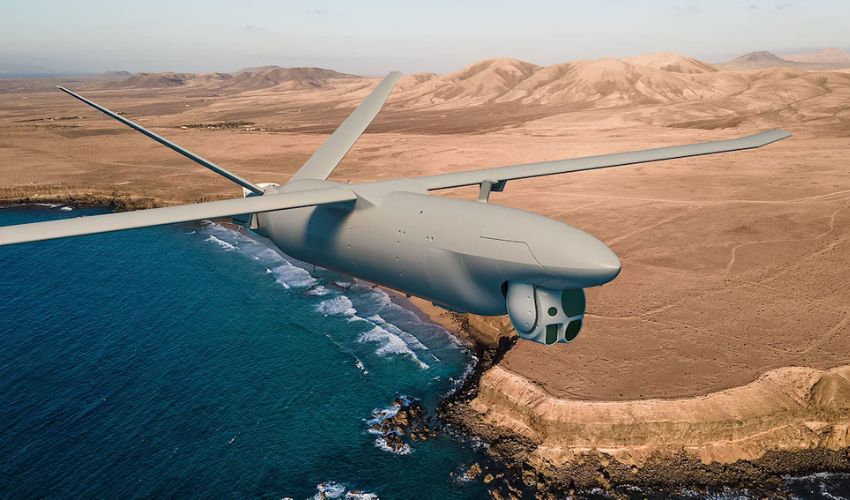 ApplicationsTaiwan to Develop 3D Printed ‘Drone Army’Increasingly, it seems like additive manufacturing could be changing the face of modern warfare. Already in Ukraine, we have seen how 3D printing can be used to create not just tourniquets for those who are injured but also weapons. And…
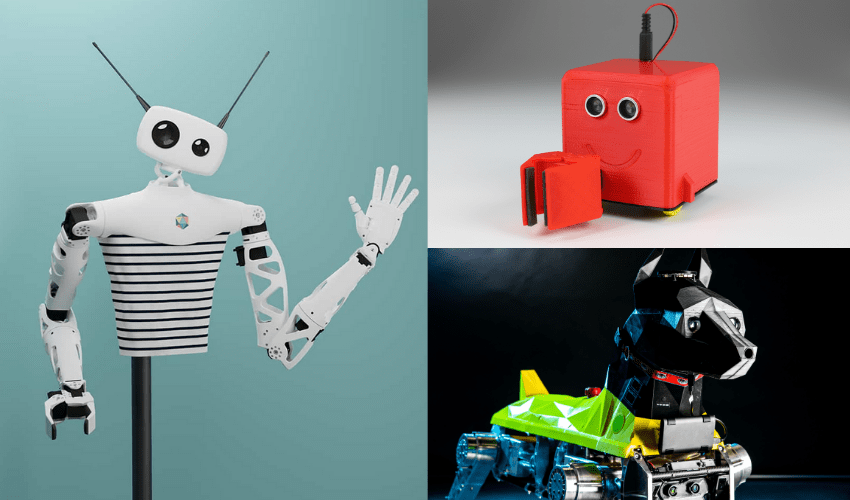 GuidesThe Top 3D Printed RobotsRobotics brings together all the technologies that make it possible to design autonomous machines; combining knowledge in electronics, mechanics, and even biology. This is a field that has evolved quite a bit since C-3PO first hit the movie screens in…
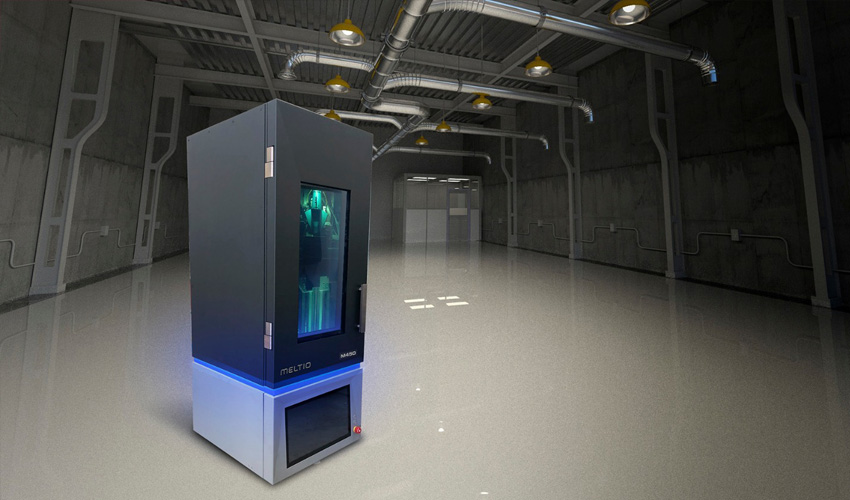 PrintersMeltio M450, a metal 3D printer for industrial needsMetal 3D printing is undoubtedly one of the most prominent 3D printing technologies of the last decade, its growth is due to the arrival of increasingly accessible and easily adoptable solutions. According to Technavio’s study, the growth of metal technologies…
 News3D Printed Sawdust Formwork Could Cut Construction WasteAs 3D printing continues to evolve, so too have the efforts to use the technology to build in an environmentally friendly way. Concepts like upcycling, using natural materials and even using wood as a 3D printable material have already been…
 NewsPhotocentric launches a new research division to develop 3D printed batteriesBased in the UK, Photocentric is one of the leading 3D printer and material manufacturers. The company has been producing photopolymer resins since 2002 and is believed to be the world-leader in Visible Light Polymerisation (VLP) 3D printing technology. Recently, Photocentric has
 NewsTop 5 Videos: Automated post-processing, and moreThis week we found the top 5 videos about 3D printing and the way additive manufacturing is changing production. The technology has infiltrated many sectors, from medical to automotive – check our selection of the week to keep up with the innovations! If you enjoy these, you&hell