News
The Earth Moc Has Unveiled a Biomimetic 3D Printed Shoe
In recent years, the number of 3D printed shoes has increased rapidly. The number has become even so significant, that earlier this year, 3D printer manufacturer Sintratec organized the 3D Printing Shoe Design Contest, a competition that, as the name…
- 3 min read
- News
- Six more stories
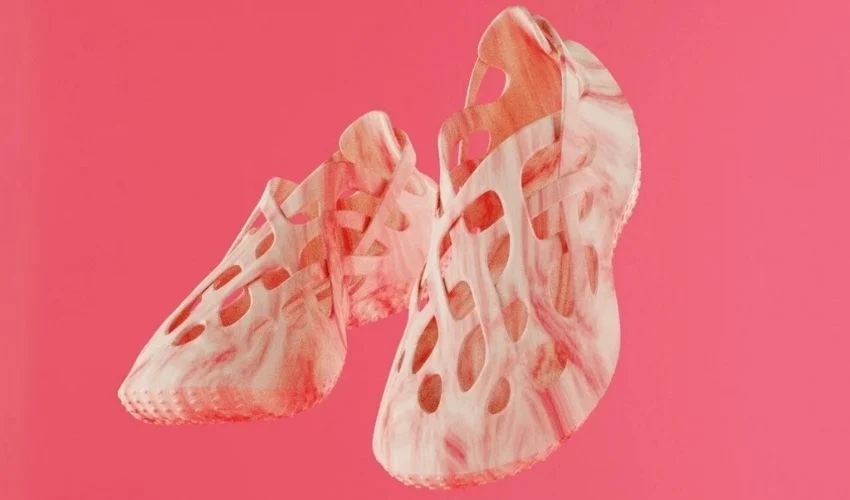
In recent years, the number of 3D printed shoes has increased rapidly. The number has become even so significant, that earlier this year, 3D printer manufacturer Sintratec organized the 3D Printing Shoe Design Contest, a competition that, as the name already suggests, aims to award the best new 3D printed shoes. As a result, by blending the footwear industry with modern technology, the Earth Moc shoe was born. Designed by Daniel Shirley, it aims to offer flexibility and comfort, while providing steady support to the foot. Intended to be worn for hiking, the Earth Moc meets all the requirements necessary for the use in combination with the outdoor activity. The designer of the Earth Moc, Daniel Shirley, explains, “The idea was to create a recovery shoe that you could wear after hiking or backpacking, that is light and comfortable, but with which you could also potentially do some light hiking with as well.”
Entirely printed in 3D, the shoe has a distinguished design. It’s looks is composed of shapes reminiscent of nature, specifically roots and vines. The unusual geometry and design of the shoe display what can be produced through additive manufacturing. To make the Earth Moc, designer Daniel Shirley used only flexible TPE, a material that the team behind the project says maximizes the shoe’s comfort and flexibility. Finally, as for the 3D printer used, Daniel Shirley relied on the Sintratec S2 machine, a device designed to meet the special needs of various applications.
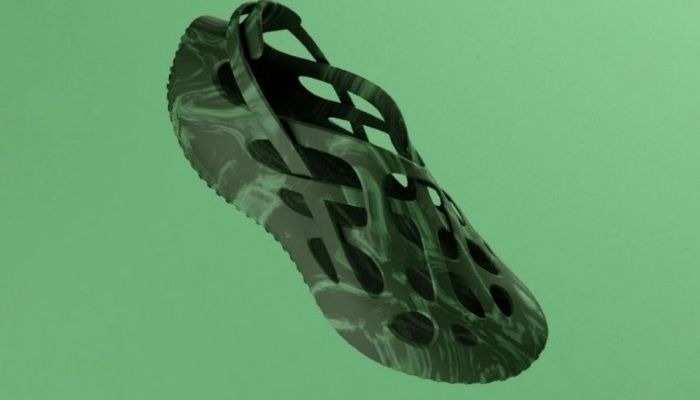
Photo Credits: Daniel Shirley
The advantages of 3D printing
Based on the SLS process, the Sintratec S2 allowed the designer to design a shoe with quite complex shapes. Reflecting on the benefits of the technology, Daniel Shirley also said, that the ability to quickly create prototypes helped him greatly and made the manufacturing process easier. Among other things, rapid prototyping allowed him to easily identify the characteristics of the TPE.
More from the desk
Six other notes from the rest of the bench.
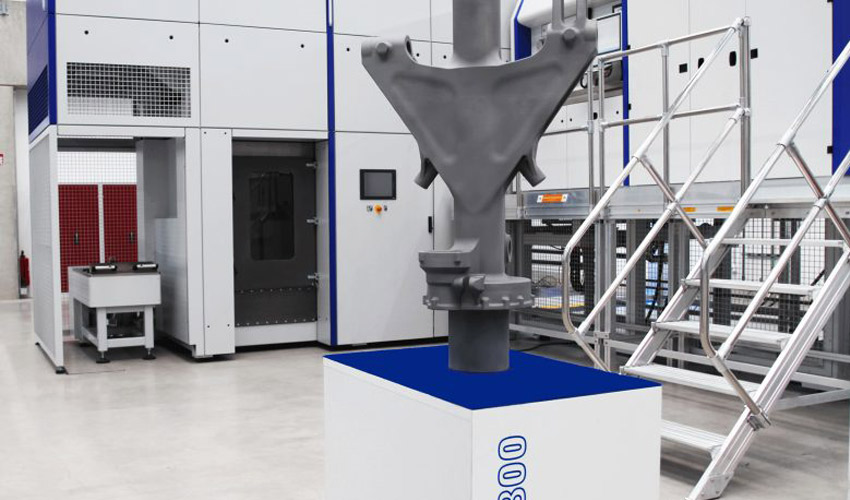 ApplicationsSafran 3D Prints a Titanium Nose Landing Gear Component For a Business JetThe French industrial group Safran, and more specifically the Safran Landing Systems branch, has used SLM Solutions‘ Selective Laser Melting (SLM) technology to produce a component of a business jet’s nose landing gear. More concretely, they have used metal additive&h
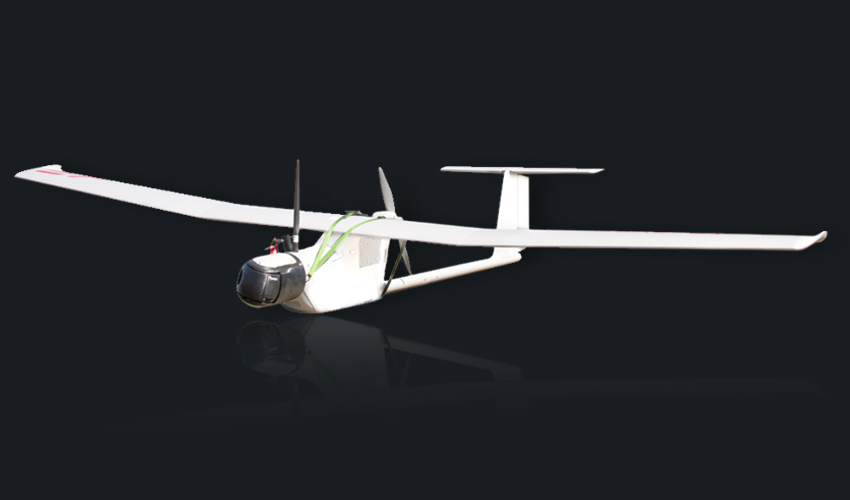 ApplicationsXYZprinting’s SLS Technology: An Ideal Choice for Drone ManufacturingTEKEVER is a Portuguese company that designs and manufactures maritime surveillance drones for the defense and security sectors. Since 2001, it has been developing unmanned aerial systems (UAS), offering more precisely a range of three products, the AR3, AR4 and…
 NewsTop 5 Videos: Dubai’s 3D Printed Martian City in the DesertThis week, discover the Mars Science City project in Dubai! Outside of Dubai, in the desert, the United Arab Emirates wants to build a 177,000 square meter city that will replicate living conditions on Mars. To build the houses, the…
 ApplicationsDubai Starts Trial Operation of 3D Printed AbraNever let it be said that the United Arab Emirates is a stranger to innovative technologies. In Dubai, the country’s most populous city, especially, we have seen a number of projects using 3D printing in recent years. And now there…
 ApplicationsAnatomic Implants Seeks FDA Clearance for World’s First 3D Printed Toe Joint ImplantIn partnership with AddUp, Anatomic Implants, a medical device startup in Washington, DC, has announced its intention to submit a 510(k) clearance for the world’s first 3D-printed toe joint replacement. While the use of 3D printed implants within the medical industry&hellip
 Guides3D startup of the month: BIOMODEX, the printers of 3D organs and simulation modelsLast month, we presented OWA 3D, the startup that is helping to lead 3D printing towards a circular economy. Today, we have chosen a startup that offers you a look into a completely different field, the medical field. After realizing…