Applications
CUPRA accelerates the development of its racing vehicle thanks to AM
Automotive manufacturer CUPRA recently unveiled the results of its 3D printing work, performed on HP Multi Jet Fusion machines. The sports division of the Seat Group has indeed relied on additive manufacturing to accelerate the development of its new racing…
- 3 min read
- Applications
- Six more stories

Automotive manufacturer CUPRA recently unveiled the results of its 3D printing work, performed on HP Multi Jet Fusion machines. The sports division of the Seat Group has indeed relied on additive manufacturing to accelerate the development of its new racing vehicle, the CUPRA Leon Competición. Several parts such as the central steering wheel module and the exterior mirrors were designed on a Jet Fusion 5200 machine, allowing the company to gain in agility, flexibility and efficiency.
More and more car manufacturers are relying on additive manufacturing, and more specifically on HP Multi Jet Fusion technology. Volkswagen, in particular, is gradually moving towards the mass production of more efficient and lighter parts for its cars. At the moment, the group is said to have 3D printed more than 10,000 parts! It must be said that 3D technologies offer multiple advantages to players in the sector and the growth of 3D printing materials is multiplying the number of possible applications. Composite materials, PEEK, polyamide, metal: the offer is more extensive, which allows industrialists to find mechanical, chemical and physical characteristics close to those found in the injection environment.
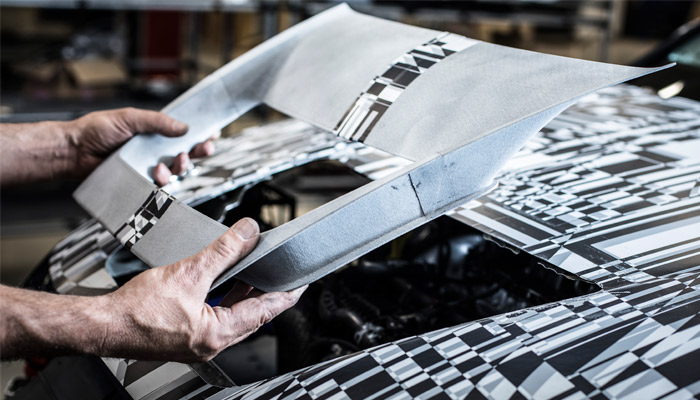
Several parts of the new racing car have been 3D printed | Credits: CUPRA
Xavi Serra, technical development manager at CUPRA Racing, explains: “Our main objective is to have a lot of parts in a short time. This production method will allow us to quickly test many designs and iterations. As vehicle development is now done in parallel, additive manufacturing allows us to react quickly to any changes in the design process.”
More from the desk
Six other notes from the rest of the bench.
 PrintersHow to choose a Creality 3D printerFounded in 2014, Creality focuses on the design, research and production of 3D printers and 3D printing related products. The company develops material extrusion 3D printers and resin 3D printers. Their product line includes the well-known DIY kits intended for…
 NewsBCN3D Reveals its New Resin Technology, VLM, for Multi-Material 3D PrintingAlready present for 10 years on the FDM printer market, BCN3D has reached a turning point today with the unveiling of a new technology. After 3 years of research and development, the Barcelona-based manufacturer will be releasing its “Viscous Lithography…
 ApplicationsNew Research Underway in South Korea on Advanced 3D Printed Medical DevicesThe adoption of additive manufacturing within the medical sector is a headline that has become more and more common as researches and companies around the world look for innovative and efficient ways to help and heal. Among the frontrunners, South…
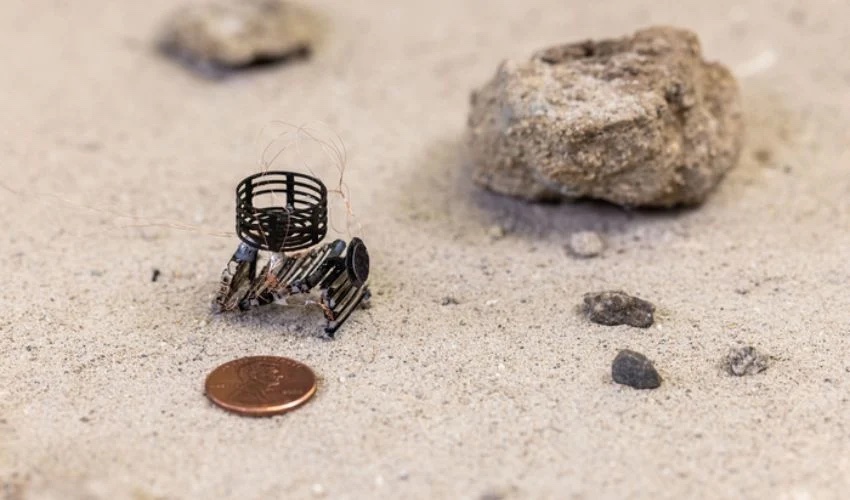 NewsUCLA Scientists Can Print Robots in One GoOn several occasions, additive manufacturing has been used to build robots, in part because of the design freedom it offers. However, in most cases, robots are printed in several parts before being assembled once all the parts have been designed.…
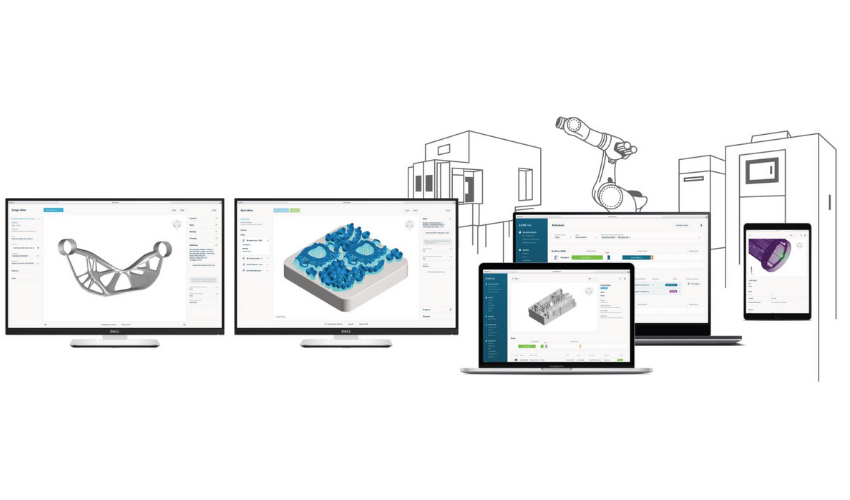 SoftwareAI-powered AM software company Oqton raises $40MBased in the U.S. and Belgium, Oqton is a software company specializing in AI-powered solutions for the manufacturing industry, including additive manufacturing, and welding. The company just announced that it has raised over $40M in a Series A funding round…
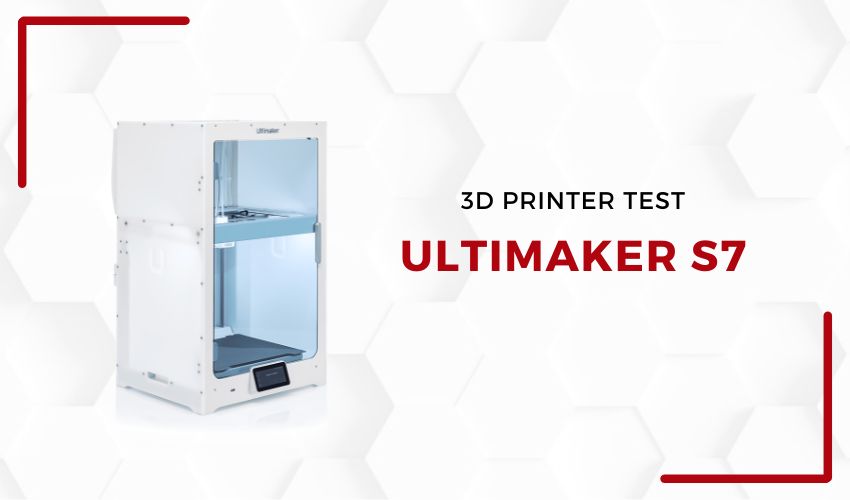 Printers3Dnatives Lab: Testing the S7 3D Printer From UltiMakerIn 2010, as part of the Reprap movement, a team of Dutch enthusiasts decided to build their own FDM printer, the Elserbot, in a Fablab. A year later, in 2011, this same team founded the company Ultimaker by commercializing the…