News
Creative Machines Lab Develops 3D Printer That Can Cook Like A Chef
New York City, renowned for its world-class restaurants, now has a new rising chef on the food scene—a 3D printer! The Creative Machines Lab at Columbia University School of Engineering and Applied Science was able to use 3D printing technology…
- 3 min read
- News
- Six more stories

New York City, renowned for its world-class restaurants, now has a new rising chef on the food scene—a 3D printer! The Creative Machines Lab at Columbia University School of Engineering and Applied Science was able to use 3D printing technology to print and cook chicken. Results of the blind taste test revealed that with further development and research this technology may be a viable cooking option with broader industrial applications.
“What we still don’t have is what we call ‘Food CAD’, sort of the Photoshop of food. We need a high-level software that enables people who are not programmers or software developers to design the foods they want. And then we need a place where people can share digital recipes like we share music,” said Professor Hod Lipson, Director of the Creative Machines Lab. The Creative Machines Lab builds robots capable of self-replicating, self-reflecting, asking questions, and expressing creativity. With these capabilities, it’s very likely we will be seeing more advanced results from this research team.
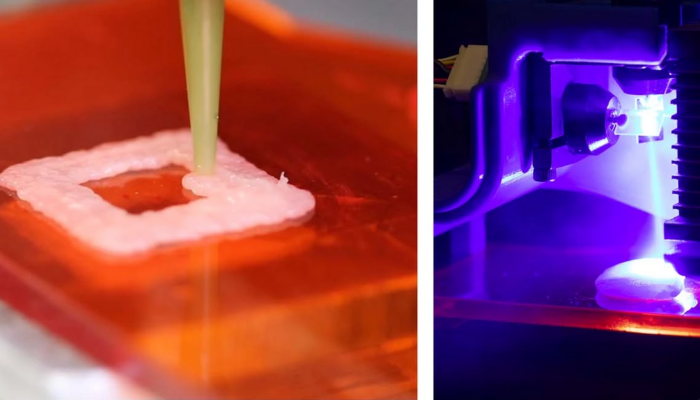
Blue laser is used to cook the 3D bioprinted chicken. (Photo Credit: Jonathan Blutinger/Columbia Engineering)
Creative Machines Lab 3D Printer Chef
In order to cook the 3D-printed chicken samples, blue lasers and infrared light with pulsed heating were applied to the meat product and calibrated for a variety of parameters such as cooking depth, moisture retention, and of course, flavor. Each parameter was then analyzed independently and controlled during the research study while maintaining stringent food safety protocols. During the blind taste test, the majority of testers preferred the laser-cooked meat to those who enjoyed the conventionally cooked meat samples.
More from the desk
Six other notes from the rest of the bench.
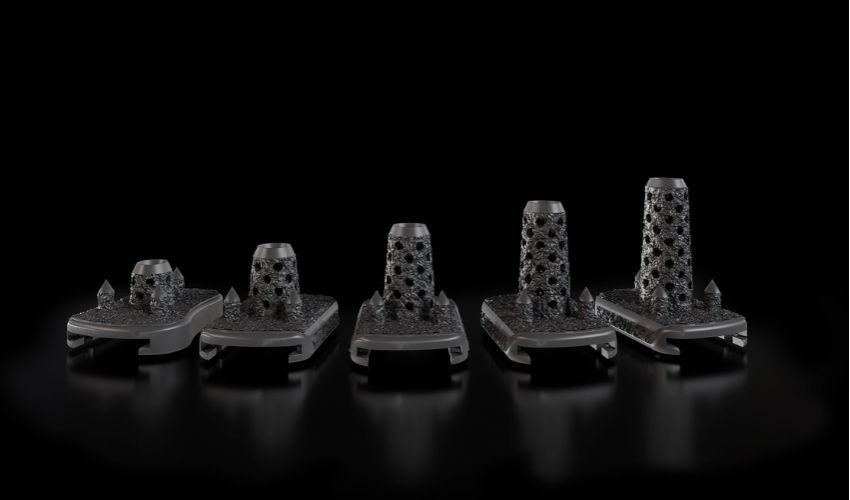 ApplicationsExactech Performs First Ankle Surgeries with 3D Printed Tibial ImplantsIn recent years, 3D printing has taken off in the medical sector, bringing innovations in a variety of fields. From the creation of custom-made prostheses and orthoses to the personalization of drug treatments, this technology is transforming healthcare. Today, we…
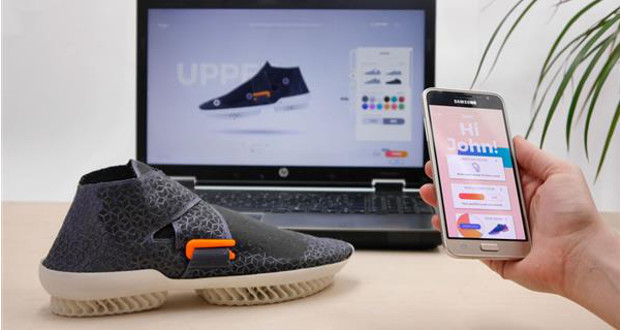 NewsPolish Students Create Eco-Friendly 3D Printed SneakersIf you’re looking for a new eco-friendly sneaker for this summer, then two design students from the Academy of Fine Arts in Warsaw may have just what you need. Students Zuzanna Gronowicz and Barbara Motylinska have come together to craft…
 NewsEU Parliament to Consider Right to Repair Through 3D PrintingIn an effort to address the enormous amount of annual waste produced in the European Union in the form of usable consumer goods, the Internal Market and Consumer Committee of the EU Parliament (IMCO) has been campaigning for the right…
 News14Trees Plans to Make 52 3D Printed Houses in KenyaAccording to many estimates, the world will face a significant housing shortage by 2030. With a growing global population, increasingly difficult to acquire building permits and necessary environmental standards, many countries are looking for solutions to this worldwide problem.
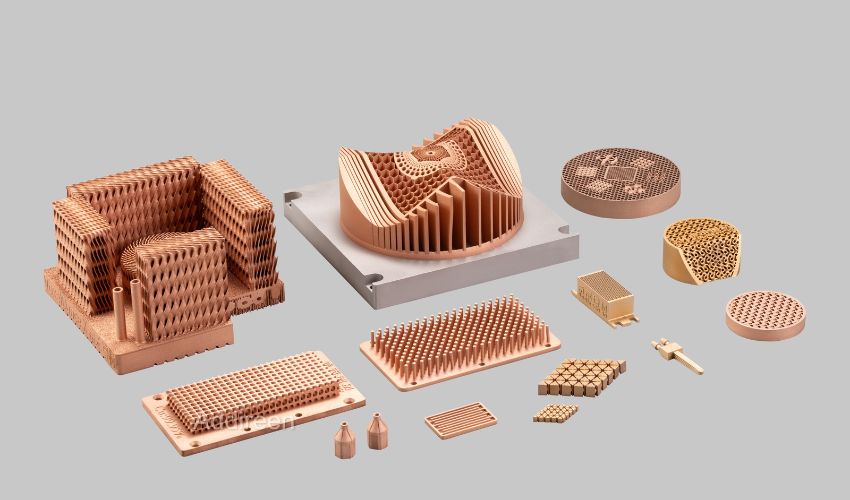 MaterialsUsing a Green Laser Facilitates 3D Printing of Pure Copper and Copper AlloysMetal additive manufacturing is finding its way into more and more industries, from aerospace and marine to electronics and automotive. It enables the design of more complex, lightweight and durable parts. Copper’s excellent electrical and thermal conductivity, resistance t
 NewsFungi Filament for Sustainable SoundproofingResearchers have developed sustainable soundproofing using the fungus-based material, mycelium, and 3D printing technologies. The majority of modern soundproofing panels are made of synthetic foams or mineral fibers. These are neither sustainable nor recyclable. Mycelium, however