Applications
Could 3D Printing Make Personalized Medications Possible?
It has been clear for a while that 3D printing has a number of benefits for the medical sector. From personalized protheses to bioprinting organs, already AM is being used in medicine in revolutionary ways. However, researchers from the University…
- 3 min read
- Applications
- Six more stories
It has been clear for a while that 3D printing has a number of benefits for the medical sector. From personalized protheses to bioprinting organs, already AM is being used in medicine in revolutionary ways. However, researchers from the University of East Anglia have found yet another innovative way to use AM. In a recent paper, “Effects of porosity on drug release kinetics of swellable and erodible porous pharmaceutical solid dosage forms fabricated by hot melt droplet deposition 3D printing,” published in the International Journal of Pharmaceutics, the research team outlines how additive manufacturing can be used to 3D print pills which thanks to their highly porous structures could regulate the rate of drug release from the medicine to the body and thus help personalize medications for each patient.
One of the leaders of the research, Dr. Sheng Qi, a Reader in Pharmaceutics at UEA’s School of Pharmacy elaborated on the importance of the project: “Currently our medicines are manufactured in ‘one-size-fits-all’ fashion. Personalised medicine uses new manufacturing technology to produce pills that have the accurate dose and drug combinations tailored to individual patients. This would allow the patients to get maximal drug benefit with minimal side effects. Such treatment approaches can particularly benefit elderly patients who often have to take many different types of medicines per day, and patients with complicated conditions such as cancer, mental illness and inflammatory bowel disease.”
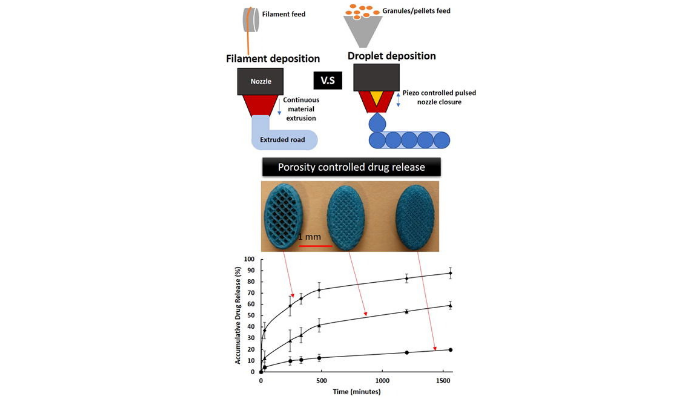
The droplet deposition method as well as results showing how porosity changes drug release time. (Image Credits: Zhang et al.)
According to the study, the team used a newly developed hot melt droplet deposition 3D printing method, most likely similar to or based off of material jetting processes. Unlike with filament disposition, with this droplet deposition granules or pellets will go through an extruder with a piezo controlled pulsed nozzle closure. This will allow researchers to 3D print using drops. If the technology is similar to material jetting, it is likely that there will also be some sort of curing light which will harden the material to form layers. The advantages of techniques such as these are that the surface will be smooth and multiple materials can be printed simultaneously.
More from the desk
Six other notes from the rest of the bench.
 NewsZero-waste 3D printed skirtWe met with designer Julia Daviy recently, we had the pleasure of discussing with her the benefits that 3D printing technologies bring to the fashion industry in terms of design opportunities and sustainability. Recently, she launched a new piece, it’s…
 NewsTop 5: Markforged’s Part Production For Own UseHello everyone and welcome to our top 5 of the week! It is of course Christmas Day, but 3Dnatives is still here with a weekly video round up. Perhaps you’re reading this tucking into your turkey or laying on the…
 PrintersNew 3D printer from WASP prints medical-grade PEEK from pelletsDuring Formnext 2019, the 3D printer manufacturer WASP launched a new solution that prints medical-grade PEEK from pellets. WASP has gained recognition in the industry for its 3D printers dedicated to the construction sector – today it is bringing its…
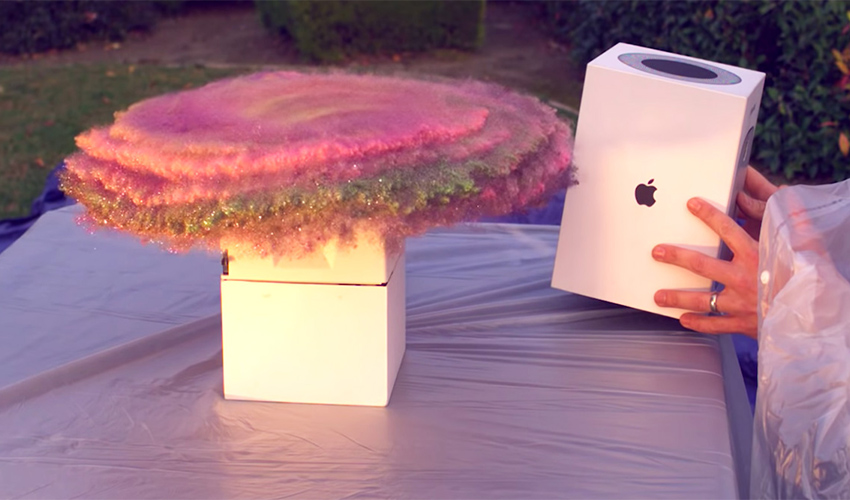 News3D printed glitter bomb created by NASA engineerAs online shopping is at an all time high, the tendency of people getting packages delivered to their front porch also come along. With this a new kind of criminal have also appeared, the package thieves or porch pirates if…
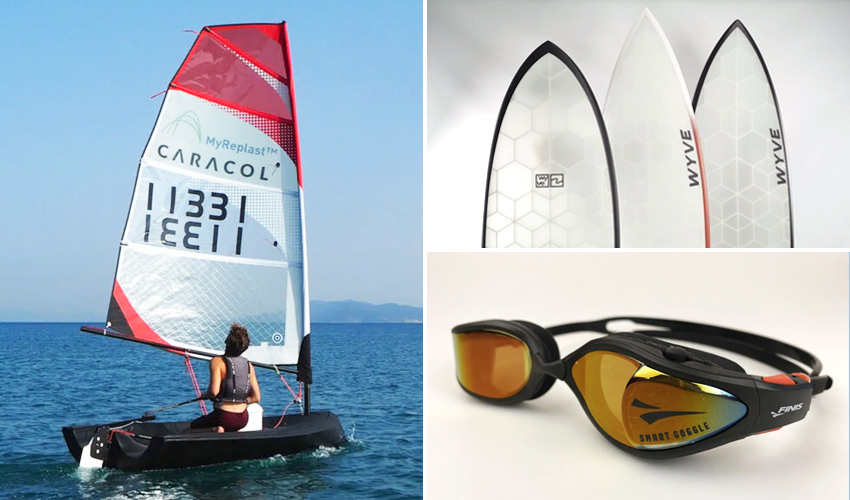 GuidesThe Top 3D Printing Applications in Water SportsSummer has been here for a few weeks now, and it seems that everyone is leaving on vacation as we all have our minds set on sea, sandy beaches and well-deserved rest. What’s more, the 2024 Olympic Games are about…
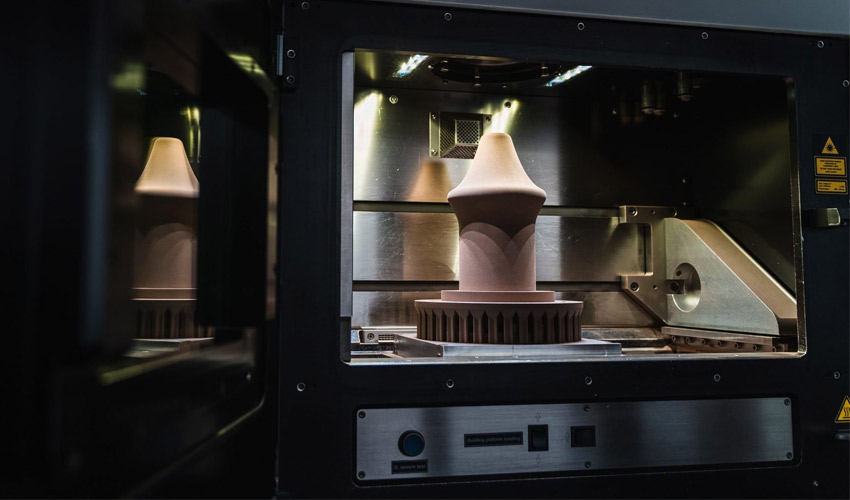 NewsA 3D Printed Aerospike Nozzle Rocket Engine Ready to Take FlightSpanish startup Pangea Aerospace and the company Aenium have signed a partnership to develop and industrialize advanced 3D printed combustion devices made from innovative materials. Together, they have designed a 3D printed aerospike nozzle rocket engine that should be 15%&hellip