Applications
Florida researchers print corneas for the first time in the U.S.
At Florida A&M University, a small team of researchers focus on corneal 3D printing, a rapidly evolving application case in the bioprinting market. The team managed to create the first high throughput printing of human cells in a 3D print…
- 3 min read
- Applications
- Six more stories
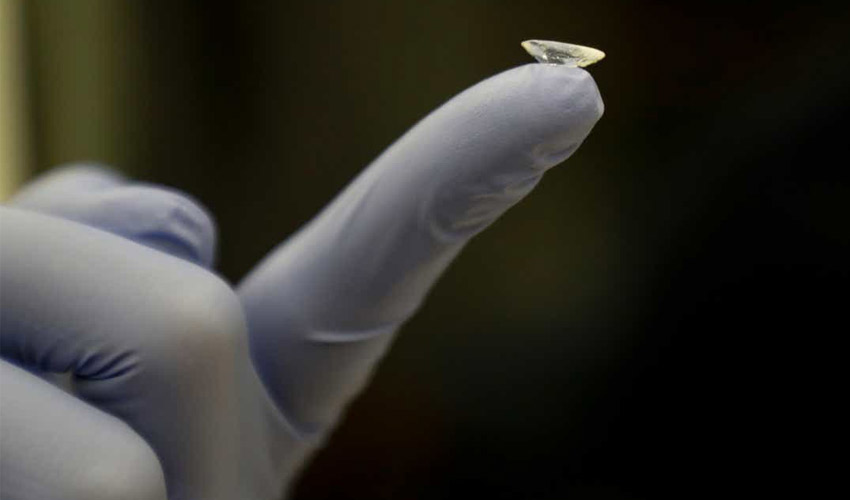
At Florida A&M University, a small team of researchers focus on corneal 3D printing, a rapidly evolving application case in the bioprinting market. The team managed to create the first high throughput printing of human cells in a 3D print of the cornea. In fact, the team’s research focused heavily on printing speed, the scientists explain that they have developed a method to create several corneas in just a few minutes using a bioprinted scaffold from human cells – a first for this sector!
Corneal 3D printing is probably not unknown to you and for good reason, many researchers have already studied the issue, whether in England at the University of Newcastle or in India with the young startup Pandorum Technologies. All these projects aim to help the visually impaired and provide more effective corneal transplant solutions tailored to each patient. But 3D technologies have their limits and the process is not yet perfect; we will have to wait a few more years before 3D printed corneas can appear.
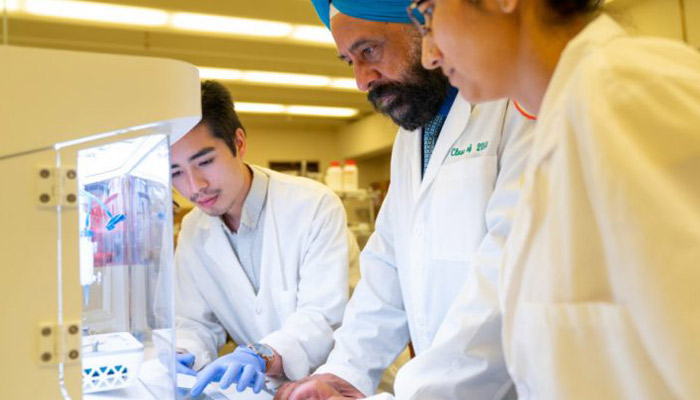
From left to right: Paul Dinh, Research Assistant; Professor Mandip Sachdeva and PhD student Shallu Kutlehria
Yet the work of these American researchers is promising. The project began in early 2018 and focused on replicating the collagen matrix of the real cornea via 3D printing from stromal cells or keratocytes. These cells help to develop and maintain normal corneal structure and transparency, while helping to repair tissues after an injury.
More from the desk
Six other notes from the rest of the bench.
 GuidesInterview with Freshfiber about using 3D printing to design personalised goodsWe met with head designer Matthijs Kok to talk about Freshfiber, the European lifestyle brand based in Amsterdam, the Netherlands. The benefits of 3D printing for art and design are becoming clearer every year. However, in 2009, when almost no…
 NewsTOP 5 videos of the week: Cars, robots and more!A new selection of the best 3D printing videos of the week, just for you! Find our TOP 5 videos of the week below and tell us what your favorite video is in a comment or on our Facebook and Twitter page. Don’t hesitate to…
 NewsA 3D Printed Aerospike Nozzle Rocket Engine Ready to Take FlightSpanish startup Pangea Aerospace and the company Aenium have signed a partnership to develop and industrialize advanced 3D printed combustion devices made from innovative materials. Together, they have designed a 3D printed aerospike nozzle rocket engine that should be 15%&hellip
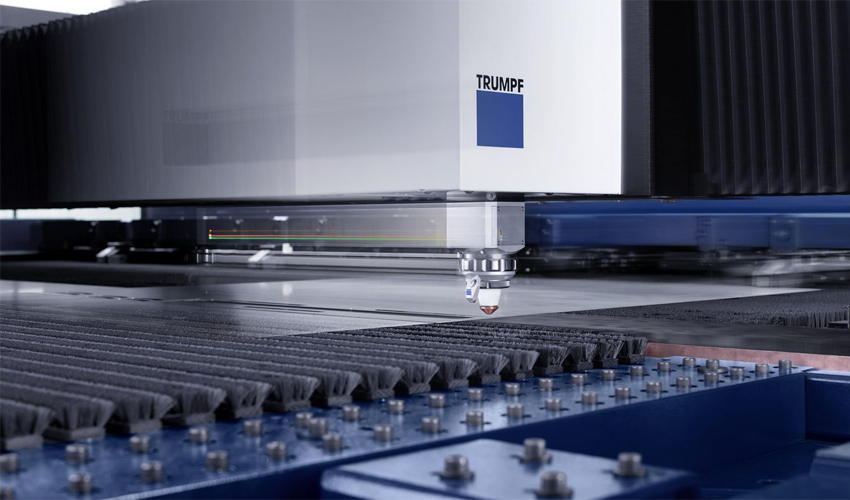 NewsECO 3D: The latest economic news in 3D printing for September3D printing is growing rapidly, and in a variety of industries too. This disruptive technology is opening the door for so many possible changes to manufacturing processes, prototypes, and more. Therefore we have summarised the most important economic news of…
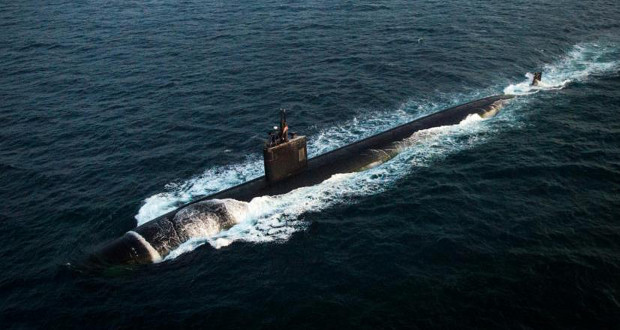 ApplicationsU.S. Navy uses 3D printing to create submarine hull3D printing is making its way around industries, taking over medicine, aerospace and even the front lines. But now, in its latest endeavor, it is heading under the sea in ways we haven’t seen before. One thing’s for sure, this…
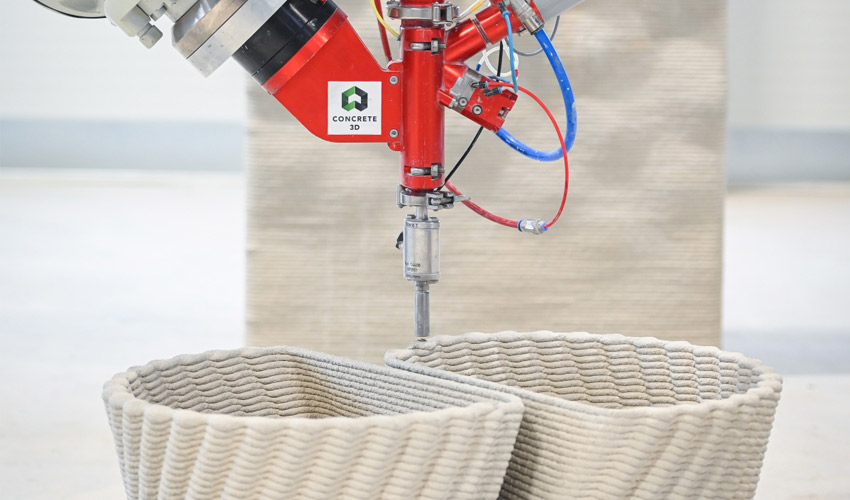 Materials#3DStartup: From Vases to Facades—Concrete 3D On the Many Possibilities for 3D Printing With ConcreteWe are hearing more and more often about projects in which concrete 3D printing is being implemented. Most of these projects are in the construction sector. In the past, we have reported on a 3D-printed parking lot, a concrete tower,…