News
Trends and Challenges for Composites in Additive Manufacturing: JEC World 2026
As with every major industry event, JEC World 2026 provided an opportunity to assess the current state of the additive manufacturing and composites sector. At this composites conference taking place in Paris, France, additive manufacturing was presented not as an…
- 3 min read
- News
- Six more stories
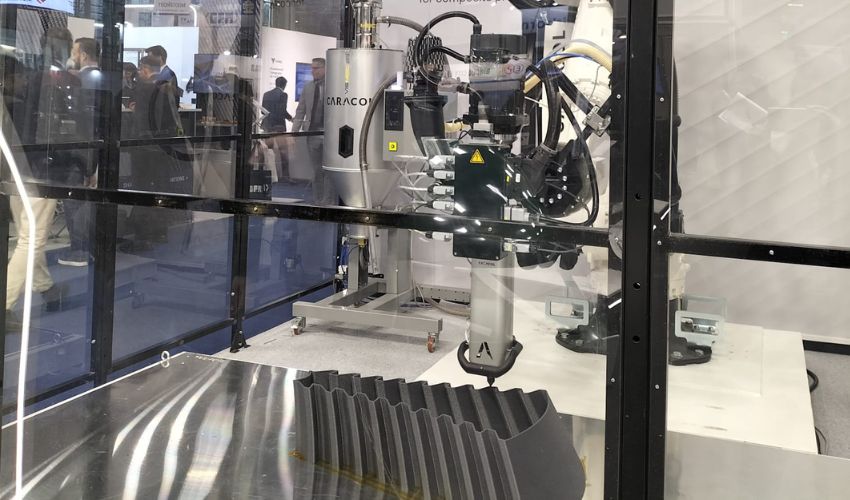
As with every major industry event, JEC World 2026 provided an opportunity to assess the current state of the additive manufacturing and composites sector. At this composites conference taking place in Paris, France, additive manufacturing was presented not as an isolated technology, but as a key component of advanced manufacturing. According to JEC Composites Magazine, the global composites market reached 15.9 Mt (million tons) in 2025. This figure demonstrates the demand at the fair for a transition from manual processes to large-format automated systems capable of managing the complexity of composites.
To understand the adoption of additive manufacturing with composites, it is necessary to analyze the behavior of the materials. One of the main challenges is anisotropy. Because the strength of the part follows the direction of the deposited layers, poor path design can weaken the structure. Added to this is the thermal challenge: temperature differences between layers generate internal stresses that can end up bending or detaching the part. So, real success is not so much about scale as it is about the ability of machines to control how fibers are aligned and how the material is cooled.

Photo Credit: 3Dnatives
To overcome these limitations in precision, which also affect the finish, the industry has turned to hybrid manufacturing systems, a trend that dominated this edition of JEC World with platforms such as those from Moi Composites and Belotti. The appeal of these systems lies in the versatility they offer. Instead of using two separate machines and processes, the hybrid system prints the part and, without removing it from the platform, changes a milling head to correct tolerances and eliminate the roughness inherent in printed layers.
More from the desk
Six other notes from the rest of the bench.
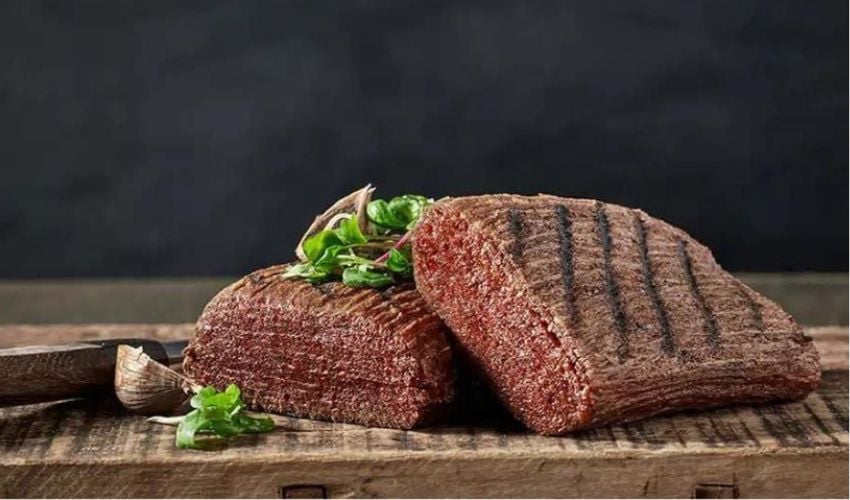 NewsRedefine Meat Introduces 3D Printed Flank Steak To European SupermarketsIn 2023, the average European consumed 64.2 kg of meat. Despite a five-year decline reported by Agrarmarkt Informations-Gesellschaft, meat consumption remains disproportionately high amidst pressing environmental concerns, with beef farming notably contributing to climate change.
 ApplicationsGravity Industries, The Company That Lets You Fly With 3D printing!It is possible to fly… no, really! We have always heard that in the future it would be possible to fly and the future has arrived, it is today. This has been made possible thanks to today’s featured company: Gravity…
 News‘Tactile Tours’: How Can 3D Printing Facilitate Access to Art and Culture For the Visually Impaired?Valentin Haüy is a voluntary association dedicated to the support of visually impaired people in France. Created in 1889, it deploys a large number of actions throughout the country to allow the visually impaired easier access to education, to the…
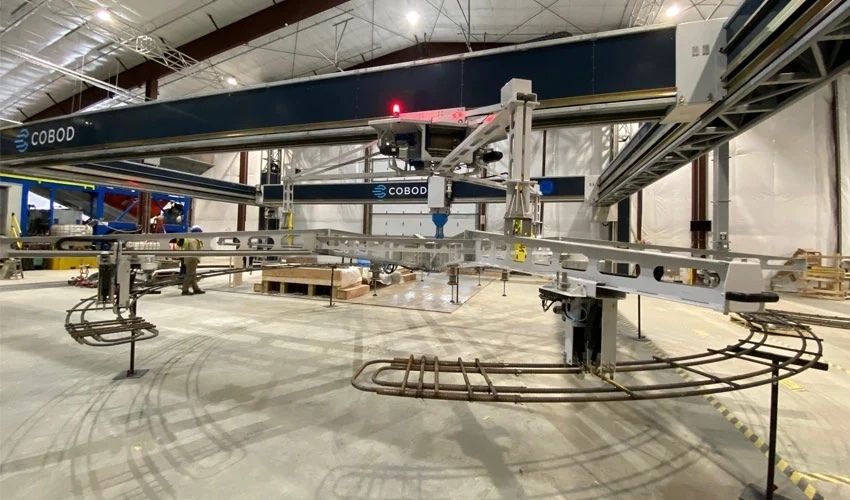 NewsGE Renewable Energy Has Inaugurated a Center Dedicated to Concrete 3D Printing for its wind turbinesIn the town of Bergen, New York, GE Renewable Energy has opened a research center dedicated to using concrete additive manufacturing to design the base of its wind turbine towers. The goal is to create the lower sections of these…
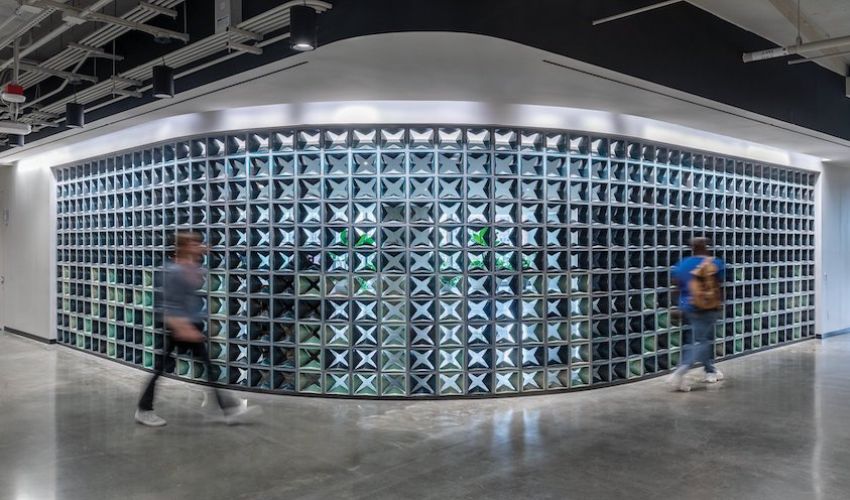 NewsAmazon HQ2 Integrated a 3D Printed Ceramic WallAmazon’s new HQ2 in Arlington, Virginia is filled with custom artwork, from sculpture gardens to wall art to murals. Notable among these works, however, is a 3D printed ceramic wall completed by Brian Peters. The wall, located in the primary…
 NewsWhy Nano Dimension Is Selling Markforged and What Stratasys GainsThe additive manufacturing sector is once again making headlines with news that revives one of the market’s most active chapters. Nano Dimension has announced the signing of a definitive agreement to sell Markforged to Stratasys, in an all-cash transaction valued…