News
Chile Inaugurates Casa Semilla, Its First 3D Printed House
In a historic milestone for construction in Chile, the country’s first 3D printed house has been inaugurated in the Biobío region. The project, known as Casa Semilla, marks a significant advance in the adoption of new technologies in the housing…
- 3 min read
- News
- Six more stories

In a historic milestone for construction in Chile, the country’s first 3D printed house has been inaugurated in the Biobío region. The project, known as Casa Semilla, marks a significant advance in the adoption of new technologies in the housing sector, with the use of 3D concrete printing as the central axis. The house is the result of a collaboration between the Universidad del Bío-Bío and the National Agency for Research and Development (ANID) in charge of financing.
The housing situation in Chile is a growing problem that affects hundreds of thousands of people. According to data published by the Ministry of Housing and Urbanism at the end of 2023, the country has a quantitative housing deficit of 554,046 homes. That is to say that a little more than half a million houses are “unrecoverable housing or overcrowded nuclei.” This situation is aggravated by the increase in construction costs and the scarcity of available land. The deficit not only reflects the need for more housing but also for solid solutions that make it possible to build more quickly and affordably. Faced with this challenge, technologies such as 3D printing with concrete emerge as a possible answer to reduce the housing gap.

Photo credits: Ahora Biobío
Key Points of the Project
The construction of the walls of the Casa Semilla took only 29 hours, with two additional days for installation. This reduced time represents a breakthrough in construction efficiency and reinforces the viability of this technology for future buildings. The design of the house follows circular economy and carbon-neutrality principles, making it a model of sustainability. In addition, the house has been designed to be seismic-resistant and with optimal thermal properties, allowing it to be installed in any region of Chile, a country known for its seismic activity and diverse geography.
More from the desk
Six other notes from the rest of the bench.
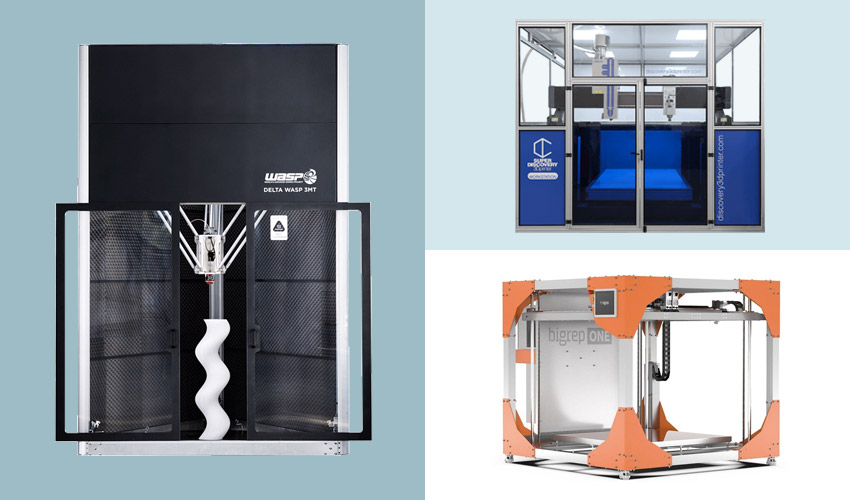 PrintersThe Best Large FDM 3D Printers Available on the MarketAdditive manufacturing is not limited to small parts and models that can be made at home. Increasingly, we are seeing machines with extremely large build volumes as the technologies continue to industrialize, eliminating the need to assemble different components to…
 NewsNode Audio releases 3D printed high-sound speakersNode Audio is a young company that developed the HYLIXA loudspeaker. This speaker was made by using Selective Laser Sintering (SLS) 3D printing technology, which gives it its distinctive structure. Not anything like conventionally manufactured speakers, HYLIXA looks and sounds&he
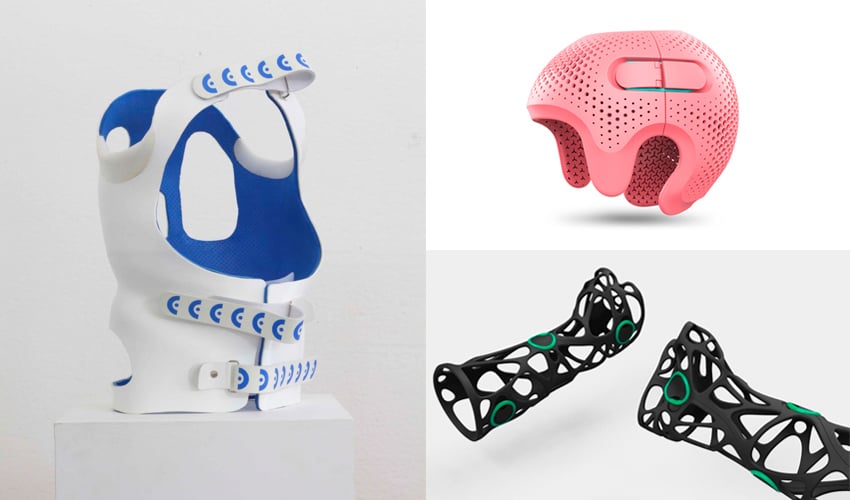 GuidesTop 3D Printed OrthosesIt is becoming increasingly evident that additive manufacturing has a pivotal role to play within the medical sector. This is largely due to the ability to create and customize solutions tailored to each individual. From bioprinting projects for tissue development…
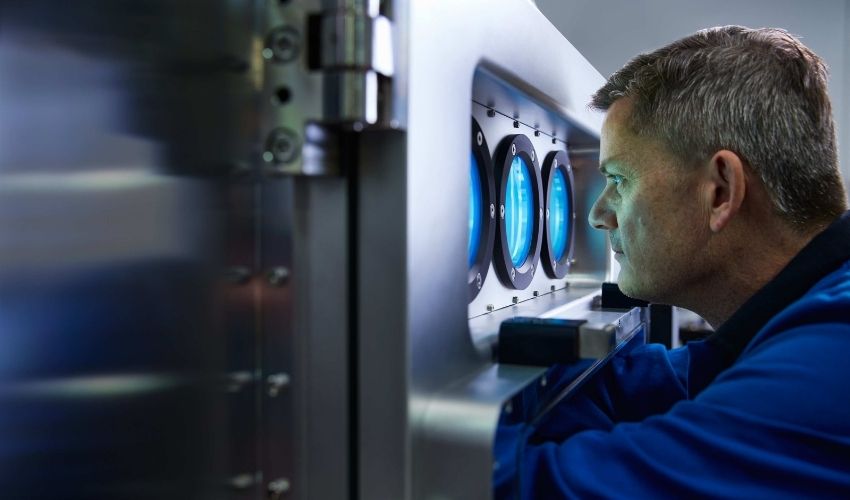 SoftwareA Closer Look at the Advanced End-to-End Manufacturing Solution from Velo3DIt has been apparent for a while now that additive manufacturing (AM) is becoming more industrialized. For example, we have been seeing the use of more mature technologies and materials suited to the creation of end-use products. However, one of…
 ApplicationsNew 3D Printed Gummies Combat Nutritional DeficienciesImagine having a gummy made just for you, with the right amount of iron, vitamin D or any other nutrient your body needs. A team of researchers from the Universitat Politècnica de València (UPV), in collaboration with the University of…
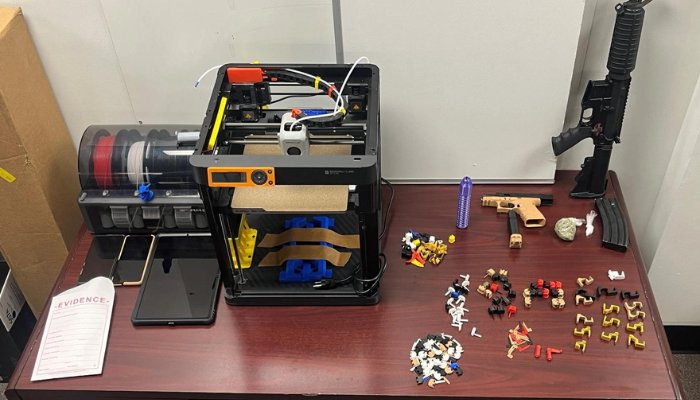 NewsEvansville’s 3D Printed Gun Case Sparks Federal InvestigationIn recent years, advancements in 3D printing have made the technology increasingly accessible to the general public. While initially celebrated for its immense potential across various industries, 3D printing has raised alarm bells due to its misuse in producing untraceable&helli