Guides
How Chat3D Uses Custom Software to Optimize 3D Modeling Workflows
3D modeling is now at the heart of many industries, from video games and animation to additive manufacturing. However, it is not always easy to implement and can sometimes be ill-suited to real-world conditions. This is precisely the challenge that…
- 3 min read
- Guides
- Six more stories

3D modeling is now at the heart of many industries, from video games and animation to additive manufacturing. However, it is not always easy to implement and can sometimes be ill-suited to real-world conditions. This is precisely the challenge that Chat3D aims to address. The French technology company specializes in developing custom software for 3D creation. Rather than trying to replace artists, the company focuses on technological building blocks that can automate certain tasks and integrate directly into existing workflows. The goal is not to rely solely on artificial intelligence, but to rethink 3D modeling solutions so they better adapt to each user’s specific needs. We spoke with the Chat3D team to learn more about their approach, their vision for machine learning applied to 3D modeling, and their ambitions for the coming years.
3DN : Could you briefly introduce yourself and tell us about Chat3D?
Chat3D is a technology company specializing in the development of custom software for 3D modeling. We mainly work with video game and animation studios, as well as marketplaces, creating technological solutions tailored to their real production pipelines, including blocking, texturing and rigging. Our approach is based on a deep understanding of artistic workflows and on developing targeted technological building blocks that integrate directly into the tools artists already use.

From left to right: Félix Balmonet (CEO), Glenn Avezoux (CTO), and Guillaume Magnies (COO), the Chat3D management team.
3DN : Why did you create Chat3D?
Chat3D was born from a simple observation: 3D modeling has become extremely complex, even as the number of tools continues to grow without always adapting to real production constraints. Our initial ambition was to use technology to make 3D creation more accessible through a web-based 3D modeling application. Very quickly, however, our work in the field showed us that the real value did not lie in general-purpose tools, but in solutions capable of integrating seamlessly into existing workflows.
More from the desk
Six other notes from the rest of the bench.
 MaterialsScientists create healthy snacks from micro-algae 3D printingIn the food industry, 3D printing technologies are changing the way we produce and consume foods. They can help create analogues of meat products, recycle food waste, or customize the shape and properties of dishes for example. Most people being…
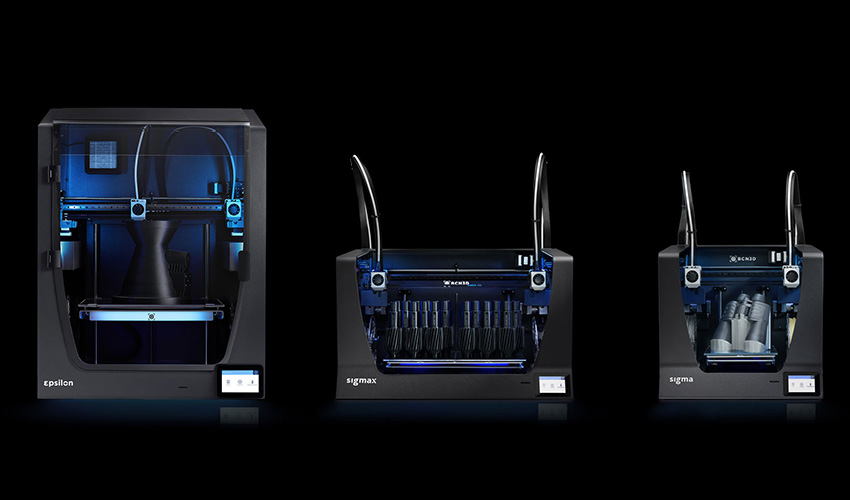 NewsBCN3D raises 2.8 million for the development of 3D material and hardwareIn recent months we have seen what an important role 3D printing plays, with the additive manufacturing companies providing solutions to address the shortage of medical equipment during the health crisis. During the difficult period, it became clear that the 3D…
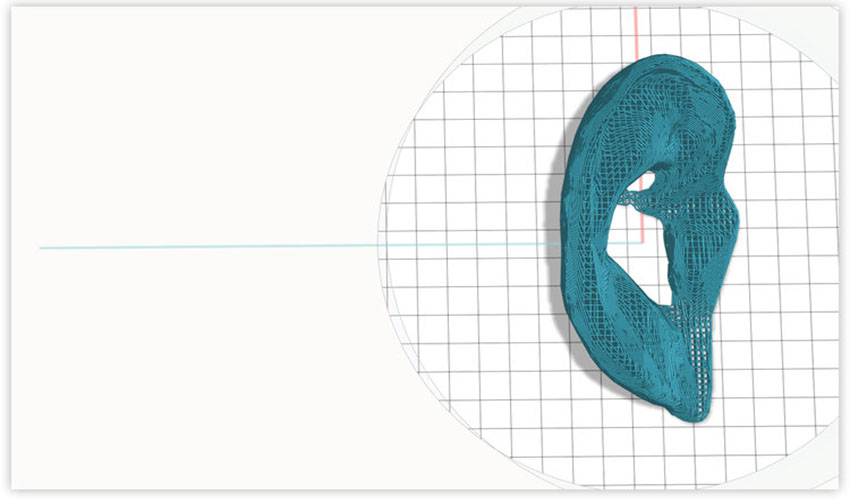 SoftwareAllevi releases new software for step-by-step bioprintingAllevi was founded a little over five years ago in Philadelphia with a mission to make it easier to design and engineer 3D tissues. The team created their first desktop 3D bioprinter to be versatile, powerful and easy-to-use, a solution…
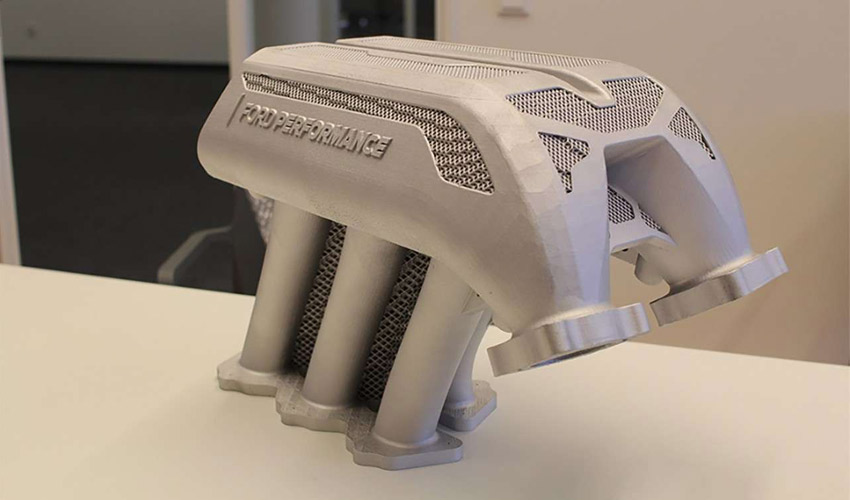 MaterialsFord produces the largest ever 3D printed metal automotive partLargest 3D Printed Metal Automotive Part in History Ford Performance, the high-performance division of Ford Motor Company, 3D printed what they claim to be the largest metal automotive part for a working vehicle in automotive history. The metal part was…
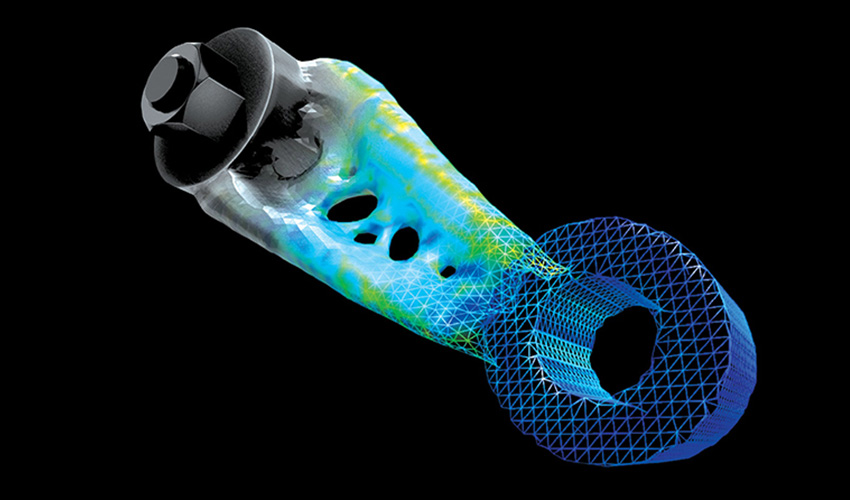 SoftwareShould You Use SOLIDWORKS For 3D Printing?In industrial sectors and product design, SOLIDWORKS is a CAD solution many rely on. The software has been around since the mid 90s and the latest figures estimate that there are around 9.3 million active users across 80 countries. It…
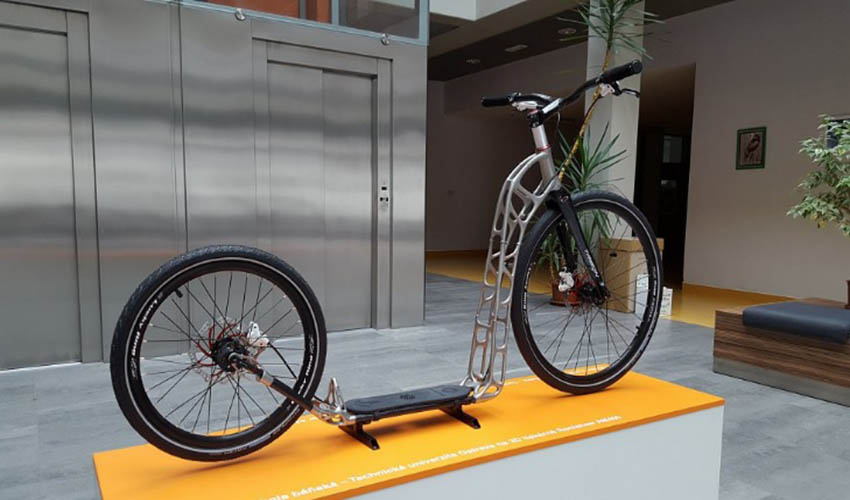 Applications3D Printed Scooter: collaboration between Czech researchers & Renishaw3D printing has been used to produce vehicles to offer cost-effective, eco-friendly and lightweight solutions to the automotive industry. Additively manufactured vehicles are not widely available yet as the technology is still developing and improving every year but many projects