Applications
Cambridge Develops Laser-Assisted Cold Spray Technique with Potential for Aerospace Applications
The Centre for Industrial Photonics (CIP) at the University of Cambridge’s Institute for Manufacturing (IfM) has developed a new technology: laser-assisted cold spray (LACS). The team claims LACS is an improvement over existing cold spray technologies. They have also demons
- 3 min read
- Applications
- Six more stories
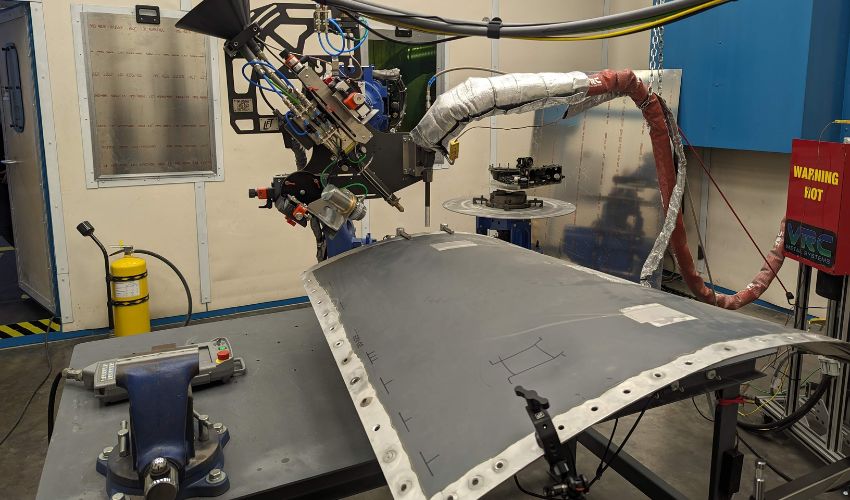
The Centre for Industrial Photonics (CIP) at the University of Cambridge’s Institute for Manufacturing (IfM) has developed a new technology: laser-assisted cold spray (LACS). The team claims LACS is an improvement over existing cold spray technologies. They have also demonstrated LACS’ effectiveness in aerospace applications.
Prior to developing the new method, the IfM team used nitrogen as a carrier gas for the powder. Then, they realized that when working with high-strength materials such as titanium and aluminium alloys, using helium was essential for achieving optimal deposition. Project leader Professor Bill O’Neill explained, “This is because helium, because of its lower molecular weight, enables higher particle velocities in cold spray, enhancing impact energy and improving adhesion to the substrate.”
However, using helium posed a problem: it costs around £80 per minute of operation, and even state-of-the-art recycling efforts recovered only around 85% of the helium. Additionally, the recycling equipment greatly restricted the size of the parts that could be manufactured, as they had to fit within a size-limited chamber for capturing excess helium. The researchers knew they needed to find a more realistic solution than a helium recycling system, so they started to investigate lasers.
More from the desk
Six other notes from the rest of the bench.
 MaterialsAll You Need to Know About PLA for 3D PrintingPLA (polylactic acid) is one of the most widely used plastics in the additive manufacturing sector. Invented in 1930 by chemist Wallace Carothers, also the developer of nylon and neoprene, this material can be used in filament or pellet form…
 PrintersVelo3D on Creating Large, Mission Critical Parts With Metal Additive ManufacturingFounded in the United States by Benny Buller, Velo3D is known for its metal additive manufacturing solutions especially in sectors like aerospace. Not only do its solutions essentially eliminate the need for Design for Additive Manufacturing (DfAM), allowing for less…
 MaterialsValueBioMat Talks 3D Printing Biosourced CompositesToday, more and more companies are developing composite materials for additive manufacturing, enabling the design of lighter and stronger parts. However, these materials can have a negative impact on the environment as they are often made from a plastic matrix.…
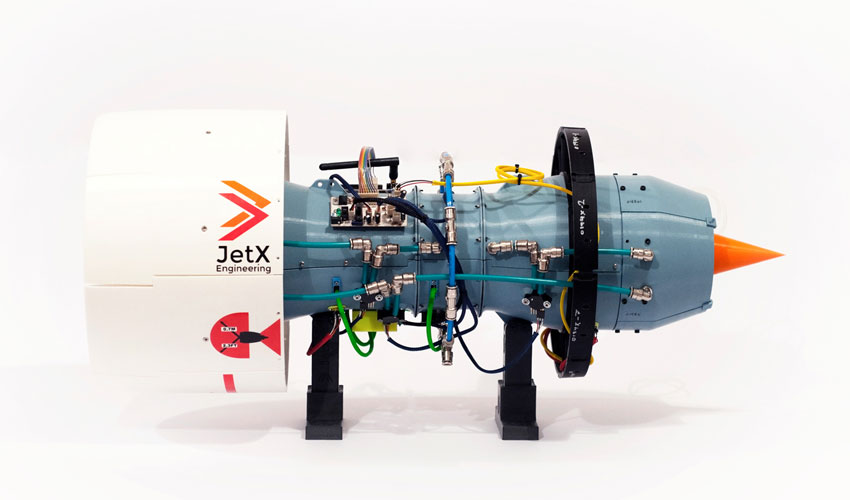 ApplicationsX-Plorer: The 3D Printed Jet Engine Made of 965 partsDeveloped by a group of engineering students named JetX, this functional 3D printed jet engine is one of the finalists of the Student Grant 3D Hubs competition. The competition is held to discover who can make the best project displaying…
 Printers#3DExpress: UltiMaker Launches the New, Faster S8 3D PrinterIn this week’s #3DExpress, we start off with an exciting launch: the S8 3D printer from UltiMaker! This FDM solution has been designed to increase user productivity through an increased speed without compromising on quality. Next, construction 3D printing is…
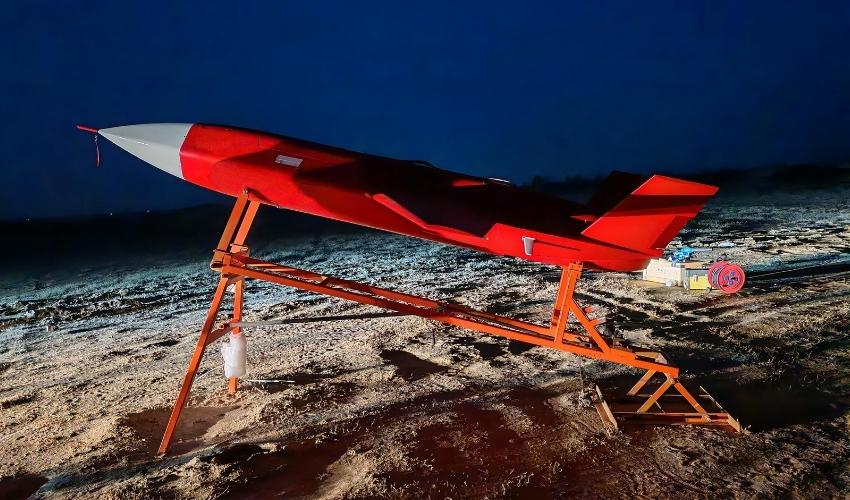 ApplicationsChina Completes First Flight Test of 3D Printed Turbojet EngineChina’s push toward next-generation propulsion reached a major milestone this month as the country’s aviation engine group announced the successful first flight test of its newly developed 3D printed “minimalist” turbojet engine. The achievement signals a significant step forward