Materials
All You Need to Know About PLA for 3D Printing
PLA (polylactic acid) is one of the most widely used plastics in the additive manufacturing sector. Invented in 1930 by chemist Wallace Carothers, also the developer of nylon and neoprene, this material can be used in filament or pellet form…
- 3 min read
- Materials
- Six more stories
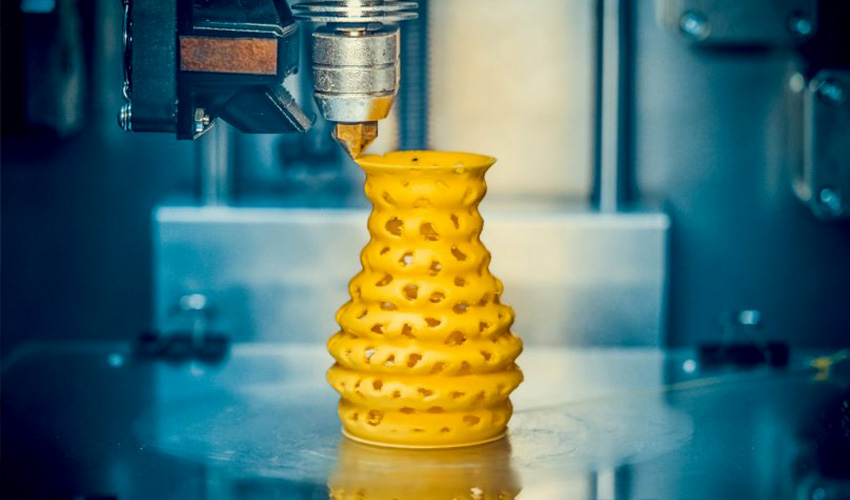
PLA (polylactic acid) is one of the most widely used plastics in the additive manufacturing sector. Invented in 1930 by chemist Wallace Carothers, also the developer of nylon and neoprene, this material can be used in filament or pellet form for desktop 3D printers or more industrial solutions. Unlike many other material options available on the market, PLA is often considered to be a more sustainable thermoplastic since it does not come from finite resources, as is the case with petroleum, but is sourced from natural and renewable resources. Due to its somewhat more eco-friendly origins, this material has been popular since its inception in the field of 3D printing. In fact, its use has spread to a wide variety of industries and applications. In this guide we will learn all about this material, including its characteristics, ease of printing, some applications as well as the main manufacturers in the market.
Production and Characteristics of PLA
As mentioned, PLA is made from organic and renewable resources such as corn starch, tapioca roots or sugar cane. Indeed, the production of the polymer is possible thanks to the fermentation of one of these carbohydrate sources. More specifically, the natural product is ground to separate the starch from the corn, mixing it with acid or lactic monomers. With this mixture the starch is broken into dextrose (D-glucose) or corn sugar. Finally, glucose fermentation produces L-lactic acid, the basic component of PLA. This results in an environmentally friendly and renewable material that, depending on temperature and humidity conditions, can become biodegradable.

PLA is manufactured from renewable materials such as corn starch
Whether or not it can truly be considered biodegradable however has been at the center of great debate in recent years. With the sustainability of the material and its environmental impact being questioned. The truth is that answering the question PLA’s biodegradability is not as simple as it seems. Although the plastic is obtained from renewable resources, its ability to be decomposed by living organisms depends on decomposition under certain aerobic conditions. Thus, PLA can degrade rapidly when subjected to industrial composting processes. Otherwise, it can take up to 80 years to decompose in the open, becoming just another plastic pollutant.
More from the desk
Six other notes from the rest of the bench.
 NewsTop 5 Videos: From Injection Molds to 3D Printed HomesCheck out the Top 5 Videos of the Month! We start with Formlabs showing you how to create durable, low-volume 3D printed injection molds efficiently. Next, 3Dnatives breaks down different 3D printer motion systems, helping you understand Cartesian, CoreXY, Delta,…
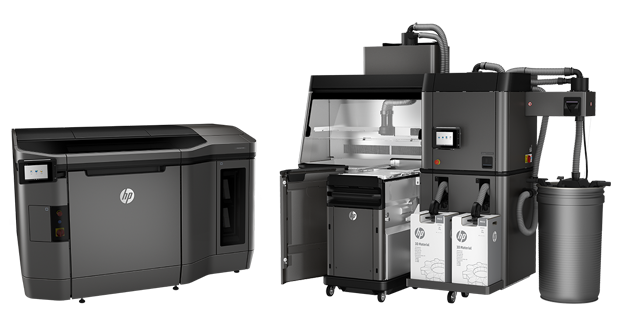 NewsHP strengthens its presence in the AM marketAt the RAPID + TCT fair in the US this past week, Hewlett-Packard (HP) announced that they would be strengthening their developments in 3D printing, with a Multi-jet Fusion machine. The company has unveiled various launches, including a program to…
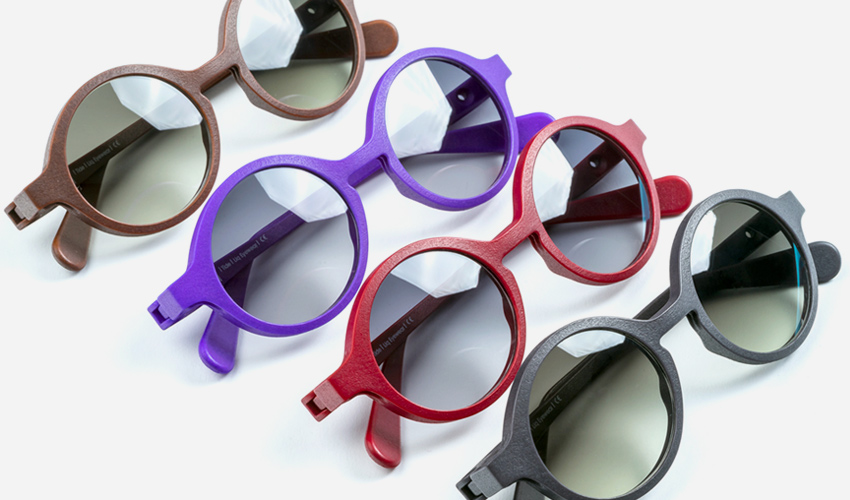 GuidesLiq Eyewear on the Benefits of Creating Personalized Sunglasses With 3D PrintingAccording to a study by Mckinsey & Company, 71 percent of consumers expect companies to deliver personalized interactions, and consumer goods represent a growing sector where 3D printing is gaining significant importance. Additive manufacturing brings several notable advantag
 ApplicationsADDITIV Aerospace 2.0, the Virtual Event Combining AM and Aerospace, is BackADDITIV Aerospace is back! After the success of the event next year, ADDITIV Aerospace 2.0 will be taking place on April 26th, 2022 at 9:00AM – 5:30PM EDT (3:00 – 11:30 PM CEST). Like last year, the conference will be…
 NewsThe Women of 3Dnatives in the Spotlight!In honor of International Women’s Rights Day 2024, once again, we wanted to put the women in 3D printing in the spotlight. Though this year, we are taking a look inwards and talking to those at 3Dnatives! Whether they’re content…
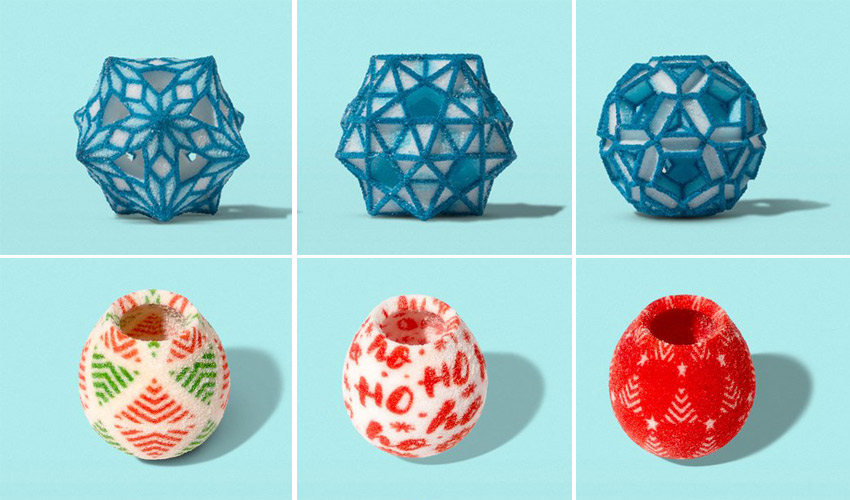 NewsThe Sugar Lab 3D Prints Christmas Candy and DecorationsThat’s it, the halls are decked, the gifts are (almost) ready, and the Christmas tree is sparkling. Christmas has never been this close and despite the circumstances, we wanted to share a fitting story. This collection of 3D printed candy…