Applications
Breakthrough in Esophageal Cancer treatment thanks to 3D printed stents
Researchers from the University of South Australia have developed 3D printed esophageal stents that could revolutionise the delivery of chemotherapy drugs for patients with esophageal cancer. 3D printing has become of increasing importance in the medical field as it allows&hellip
- 3 min read
- Applications
- Six more stories
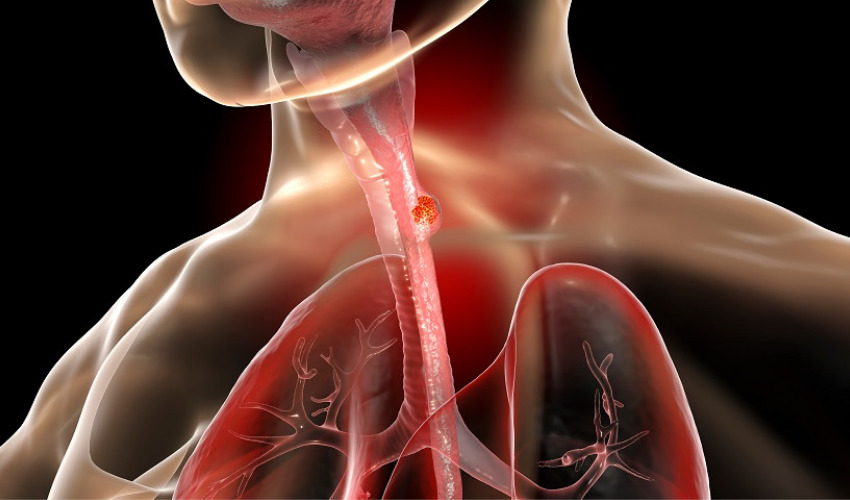
Researchers from the University of South Australia have developed 3D printed esophageal stents that could revolutionise the delivery of chemotherapy drugs for patients with esophageal cancer. 3D printing has become of increasing importance in the medical field as it allows for more accurate, effective and personalized treatment of patients. In this specific case, by using fused deposition modeling (FDM), the researchers were able to create a stent that could diffuse the chemotherapy drug 5-fluorouracil (5-FU), over a sustained, longer period of time. As esophageal cancer is the seventh most common cancer in the world, while being the sixth highest cause of all cancer deaths worldwide, this stent could prove to be a breakthrough in treatment of the disease.
The 3D printed esophageal stents
Esophageal cancer is one of the most common cancers worldwide. It is also one of the most deadly, with a 5 year survival rate ranging from 5 to 30% depending on the stage and severity of the case. These 3D printed esophageal stents aim to help patients in two major ways. First, they will help to relieve symptoms of the disease, targeting dysphagia, which prevents patients from swallowing certain foods or liquids. The stents can keep a blocked passageway open in order to ease eating and drinking for patients. These stents however will serve another purpose as well, they are designed to deliver 110 days of sustained anti-cancer medication directly to the cancer site. This is important as often with these kinds of stents, the growing tumor can invade the area and move them, making them ineffective at best. They are the first esophageal stents to contain active pharmaceutical ingredients within their matrix, a design that is possible thanks to 3D printing.
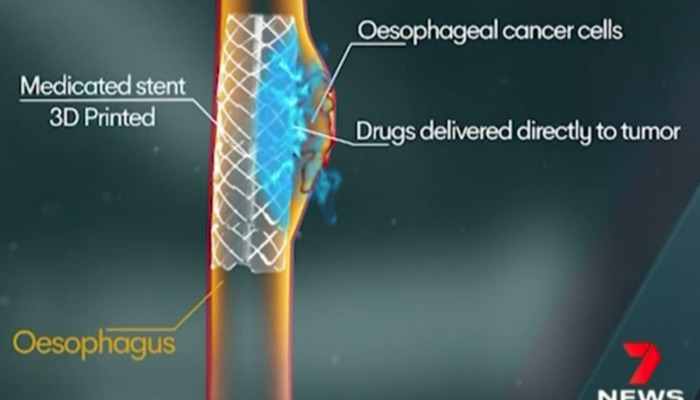
Speaking on the use of the stents, PhD Scholar Fouladian explains, “Blockages are commonly eased by an oesophageal stent – a small tube that is placed in the food pipe to keep it open – but these too can become obstructed by invading cancer cells.Our new drug-loaded oesophageal stents can help prevent further blockages by administering anti-cancer drugs directly to the tumour, limiting further growth while relieving the pressure of dysphagia.”
More from the desk
Six other notes from the rest of the bench.
 PrintersImproving 3D Scans with AESUB SpraysThe German company AESUB has developed a variety of 3D scanning sprays that improve the quality of scans, giving them a clear, matte finish. There are currently two products available: AESUB Blue, a mattifying spray that evaporates just a few…
 NewsWho Are the Winners of the Formnext Start-Up Challenge 2022?Formnext 2022 is just around the corner, taking place in Frankfurt in less than two weeks, Nov. 15-18. Industry players are excited about the return of the trade fair in attendance, which is expected to go back to near pre-pandemic…
 NewsCOBOD and GUtech Have 3D Printed a World Record Breaking Construction Project in OmanThis year, we have already seen a number of projects within the construction industry that have used additive manufacturing. Whether remarkable for its height, quantity or sustainability, these types of projects can benefit significantly from the advantages of 3D printing.&hellip
 NewsRedwire acquires Made In Space to transform global space economyMade In Space is a pioneer in in-space manufacturing and assembly technologies. Last October, we covered its announcement to send the first commercially-developed plastic recycling facility to the International Space Station (ISS). Named the Braskem Recycler, this machine convert
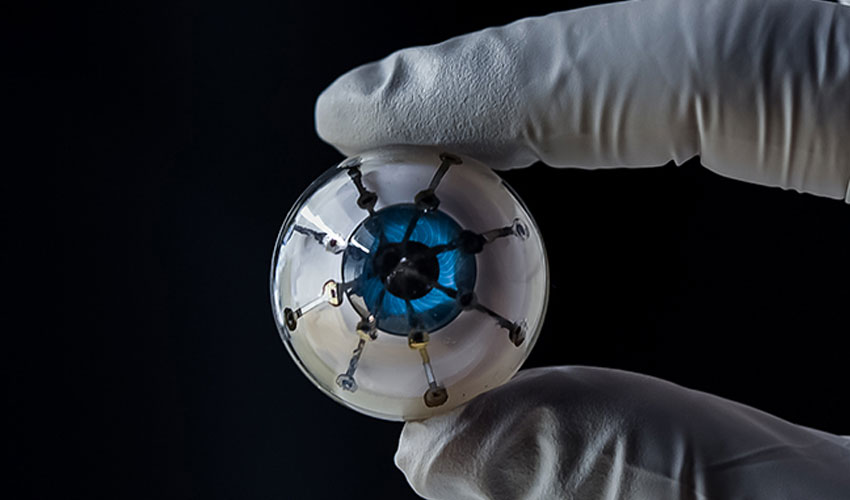 NewsResearchers creates prototype of a 3D printed bionic eyeThe University of Minnesota (UMN) McAlpine research group claims to have successfully 3D printed optoelectronic devices using polymeric photodetectors on hemispherical surfaces. These first prototypes could accelerate the development of a 3D printed bionic eye to help people with
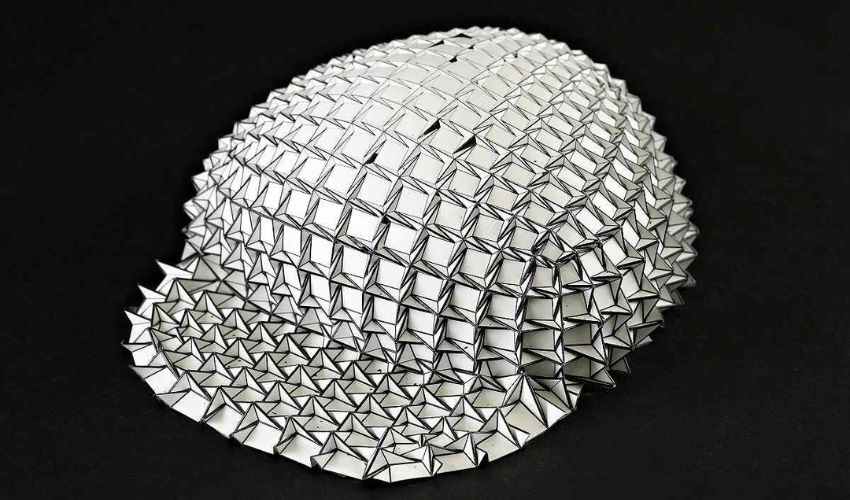 NewsThe Printed Origami That Can Form 3D Objects in Mere Moments3D printing can be a process that requires patience. Large, complex builds often take a number of hours before completion while industrial 3D printing may take even longer still. That said, the convenience and automation of 3D printing often make…