News
BMS Circuits Is Optimizing its Production Flow by Integrating 3D Printing
All Circuits is an electronics subcontractor that designs electronic boards for the automotive, medical and mass-market sectors. Its Bayonne site, BMS Circuits, which is responsible for medium and large production runs, has been investing in fused deposition modeling 3D printing
- 3 min read
- News
- Six more stories
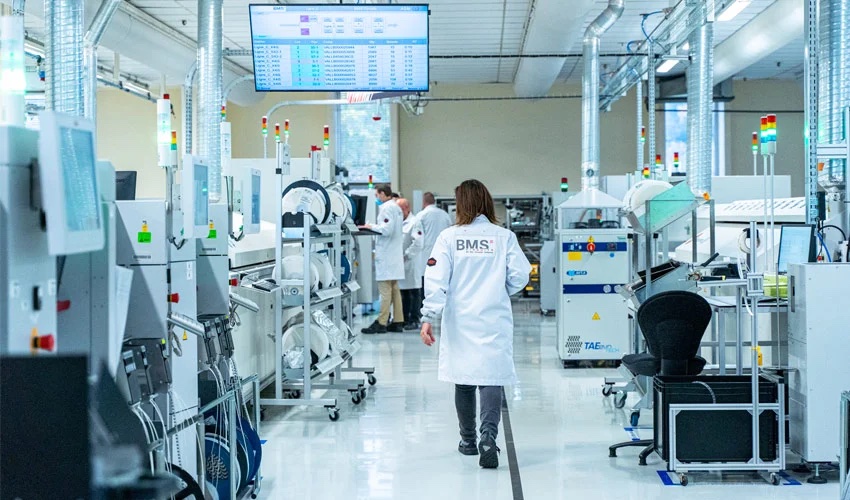
All Circuits is an electronics subcontractor that designs electronic boards for the automotive, medical and mass-market sectors. Its Bayonne site, BMS Circuits, which is responsible for medium and large production runs, has been investing in fused deposition modeling 3D printing since the end of 2020 in order to produce prototypes and end-use parts, which are installed on operators’ workstations. Supported by the French distributor Atome3D, BMS Circuits has been able to reduce its manufacturing times and costs, while being able to test and trial several designs. 3D printing has become an integral part of the company today; it is a work tool that the teams can no longer do without.
It was the Methods department at the Bayonne site that was the driving force behind this investment, the department in charge of product industrialization. Its manager, Jules Cote, was already familiar with 3D printing and was quickly convinced of its benefits. He explained: “I knew Atome3D and I made the choice to invest in a machine for the department. To invest, you have to convince management of the benefits of the technology. It was quite quick because when you look at the prices of what can be done on machining and the prices we will have internally in 3D printing, the machine is quickly profitable.” Many of the parts used by BMS Circuits were in fact subcontracted, which lengthened manufacturing times. Thanks to 3D printing, the teams can produce some of these parts directly in-house and considerably reduce the time between design and delivery of the object. For example, on average, it takes one week to manufacture a part using machining, compared to 2 hours and 20 minutes using a 3D printer. And on the price side, in machining, the teams are on average around 200 euros per part against 10 euros in 3D printing.
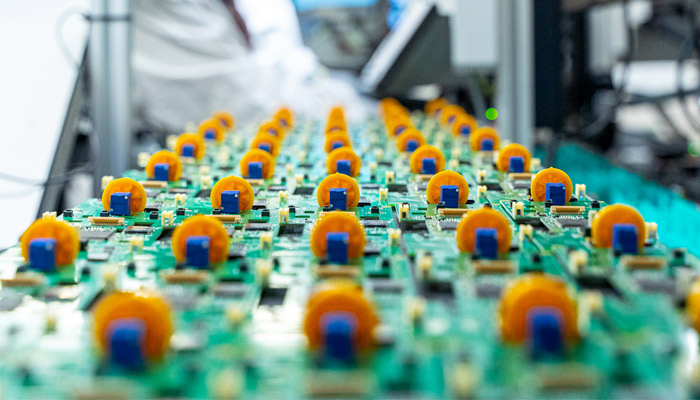
BMS Circuits manufactures electronic cards (photo credits: BMS Circuits)
The choice of the 3D printer was facilitated by the expertise and advice of Atome3D, according to the needs and specifications of the French group. Indeed, antistatic constraints had to be respected in the workshop and materials had to be chosen to meet them. Moreover, the machine had to be easy to use and quick to learn. This is why Atome3D recommended the M200 Plus from Zortrax, coupled with the PLA-ESD material from 3Dxtech. This is a material that provides protection against electrostatic discharges. Jules Cote adds, “To make things easier, once we find a material that works well, we leave it in the machine and only run with that one at 90%. Our goal is for it to work quickly and easily.” The printer has been running in the shop since October 2020, with very satisfactory results.
More from the desk
Six other notes from the rest of the bench.
 NewsNano Sun Prints 3D Membranes to Filter WaterNano Sun is a young startup created by a team of scientists from Nanyang Technological University in Singapore, who has just opened a 3D printing plant to make new membranes to filter water. These would be 5 times faster than traditional…
 GuidesItzcóatl, the 3D-Printed Serpent Head Made of Soil and ObsidianItzcóatl was the fourth ruler of Mexico-Tenochtitlan, and his name means “obsidian serpent” in Nahuatl. Today, it is also the name of a sculpture 3D printed with soil by Mexican artist Alfredo Salazar-Caro, co-founder of the Digital Museum of Digital…
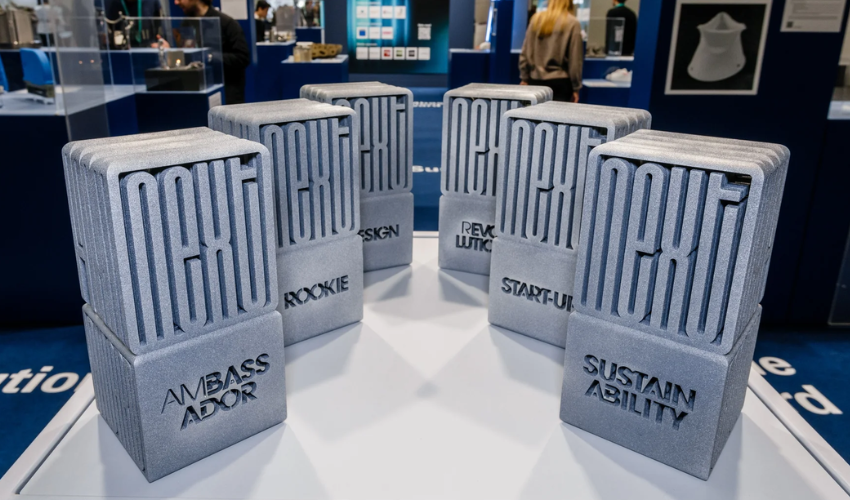 NewsFormnext 2025 Finalists Highlight Cutting-Edge 3D Printing InnovationsThe shortlist for the Formnext Awards 2025 has been unveiled, showcasing some of the most innovative applications and technologies in additive manufacturing. This year’s finalists reflect the industry’s growing emphasis on speed, sustainability, and education, with new 3D printin
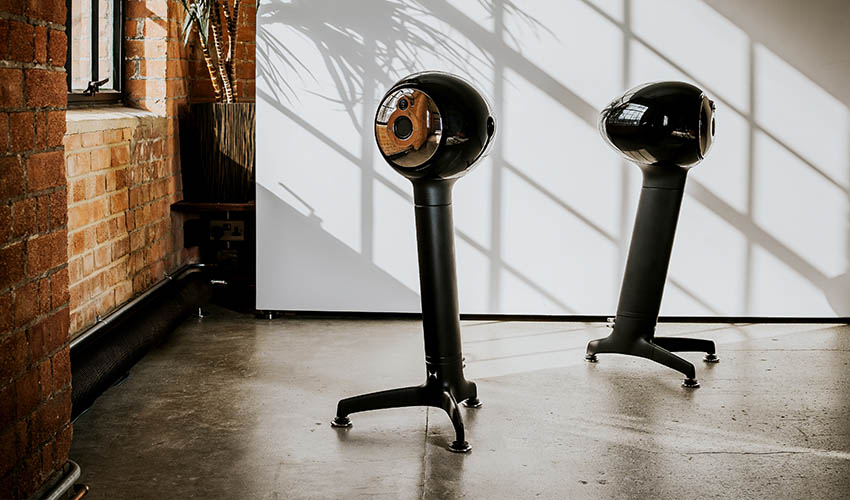 NewsNode, advancing audio design thanks to 3D printing technologiesBased in the UK, Node is the vision of British industrial designers Ashley May and David Evans to bring a new relevance to high quality audio. The designers developed their debut speaker Hylixa to explore new opportunities in acoustic design.…
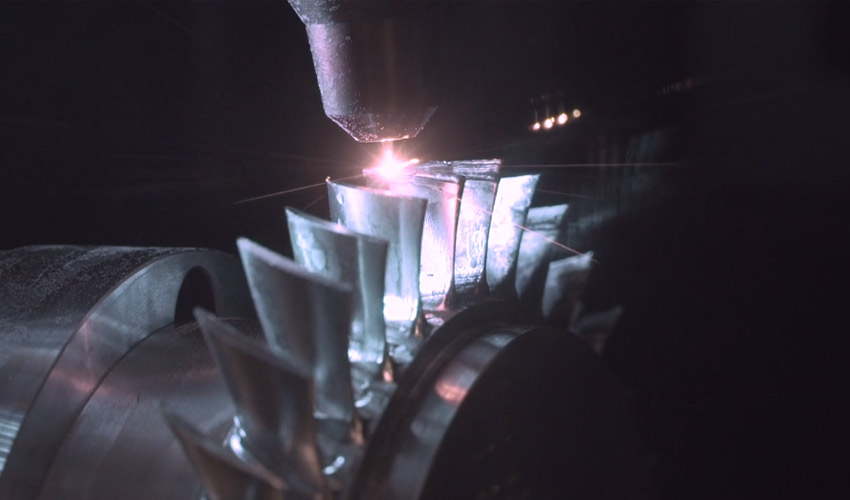 NewsThe global additive manufacturing market accounts for $ 9.3 billion in 2018While the company Materialise gave us some predictions for 2019 trends in additive manufacturing, the US firm SmarTech Publishing brings us the results for the past year. They say the additive manufacturing market generated $ 9.3 billion in 2018, an 18% increase…
 News6K Additive Shows Its Sustainable, Metal Powders for Additive ManufacturingIt goes without saying materials and additive manufacturing go hand in hand. Whether metals, polymers or ceramics, the right material is critical for ensuring that users can produce parts with the right properties and characteristics. This is especially the case…