Applications
Bioprinting Under the Microscope: Are the Current Standards Ethical?
In the rapidly evolving landscape of biotechnology, three-dimensional (3D) bioprinting has emerged as a beacon of hope for transforming healthcare and addressing critical medical challenges such organ transplantation, tissue engineering, drug testing and development, personalized
- 3 min read
- Applications
- Six more stories

In the rapidly evolving landscape of biotechnology, three-dimensional (3D) bioprinting has emerged as a beacon of hope for transforming healthcare and addressing critical medical challenges such organ transplantation, tissue engineering, drug testing and development, personalized medicine, nerve regeneration, disease modeling, and much more. With the potential to revolutionize how we approach modern medicine, bioprinting is garnering increasing attention from researchers, investors, and healthcare professionals alike. As bioprinting rapidly evolves, however, it finds itself under the critical scrutiny of ethical considerations, legal frameworks, and regulatory challenges.
With continued growth attracting substantial investments, the need to confront and address the ethical complexities surrounding this revolutionary technology becomes ever more pressing. To better understand this, we took a look into the heart of the bioprinting industry, exploring the real ethical concerns that arise from the fabrication of artificial human organs, including the controversial use of human embryonic stem cells and the potential risks associated with induced pluripotent stem cells, digitization, clinical trials, and animal testing, among others.
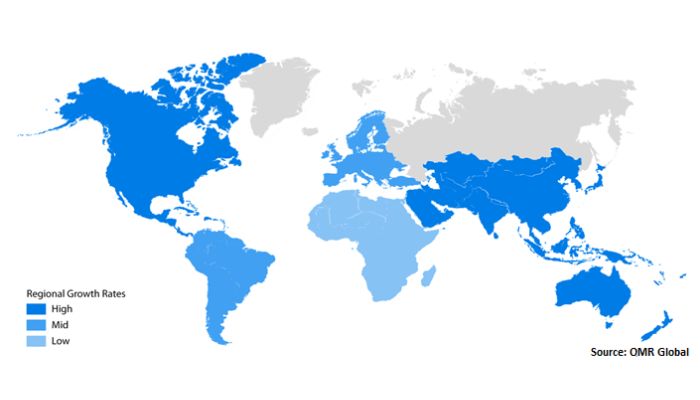
The global 3D bioprinting market size was accounted at 2.13 billion in 2022 and it is projected to hit around 8.3 billion by 2030 (Photo credit: OMR Global)
Putting bioprinting under the microscope, we’ll examine the intricate interplay between its extraordinary potential and the pressing need for responsible governance. Navigating these complexities, it is important to unravel the delicate balance between innovation and ethical accountability, thus ensuring that the future of medicine progresses with a clear conscience.
More from the desk
Six other notes from the rest of the bench.
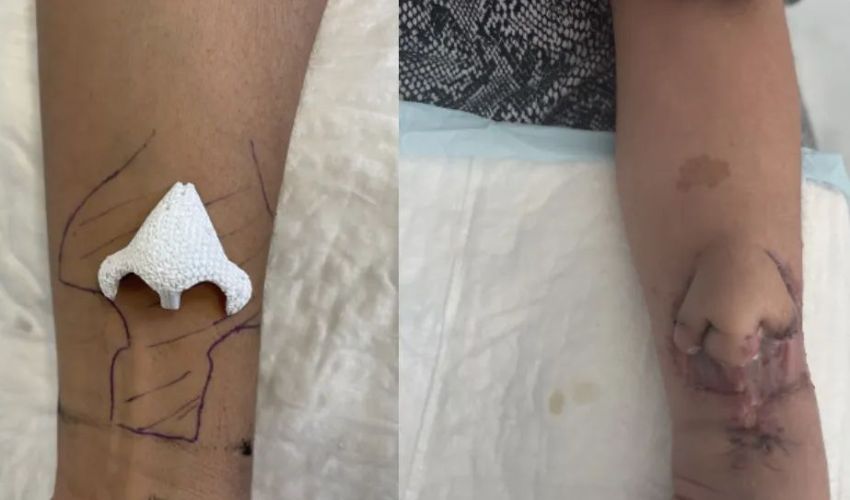 ApplicationsBioprinted Nose Graft Used For Reconstructive Surgery3D printing has been applied to reconstructive surgery to create a nose graft for a patient who underwent intense cancer treatment. This amazing feat happened occured at IUCT Oncopole (University Cancer Institute of Toulouse), a cancer care, research, and training…
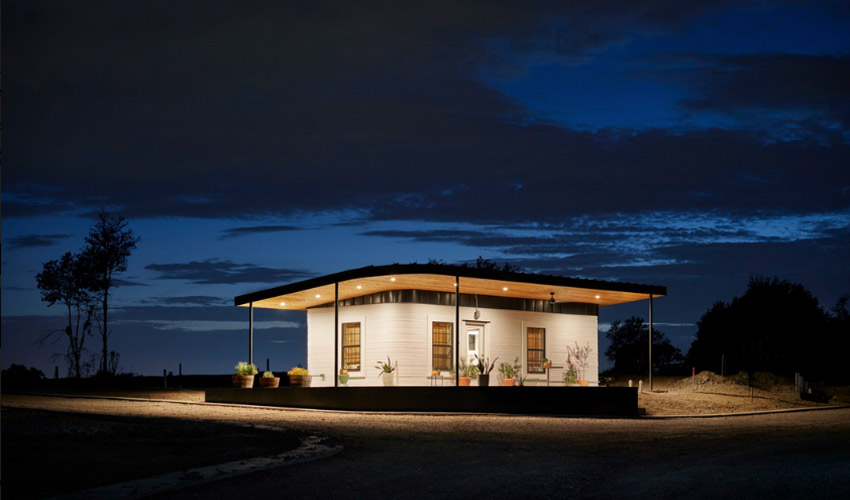 Printers#3Dstartup: ICON re-imagines the approach to constructionIf you follow developments in the 3D printing construction sector, you will have noticed the accelerated growth it has undergone in recent months. With an ever-increasing demand for a new way to deliver more resilient homes at speed, the future…
 NewsThe Personalities Who Shaped the Additive Manufacturing Market in 2024As we approach the end of the year, it’s time to highlight the personalities who have shaped the 3D printing industry over the course of 2024. Whether leaders of major companies, innovators or researchers, these figures have helped transform the…
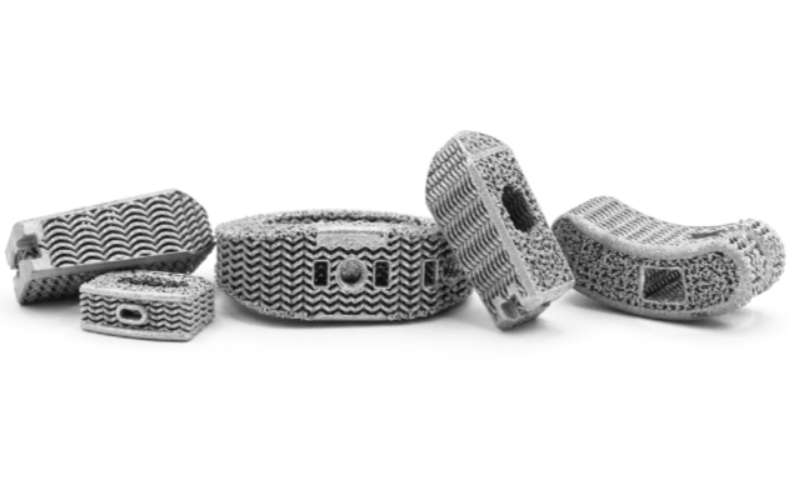 ApplicationsNexus Spine Announce Availability of Novel 3D Printed Spinal ImplantsNexus Spine announced that their novel implants for spine surgery have now been made broadly available. These include the compliant-mechanism based system, PressON, and a flexible titanium device for interbody fusion, Tranquil. Nexus Spine specialises in the development of medica
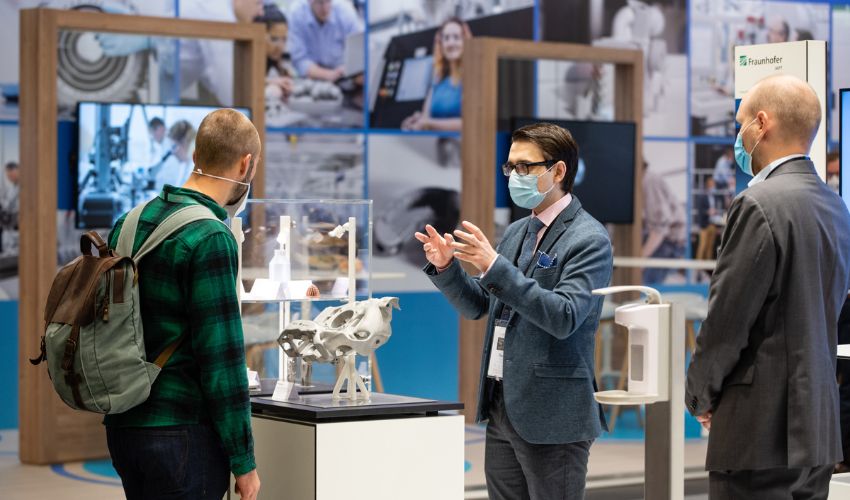 NewsWhat To Expect at Formnext 2022!The last Formnext took place in 2021 and was the first in 18 months as a result of the pandemic. Almost 18,000 visitors visited around 606 exhibitor stands from manufacturers, resellers, start-ups and other players within additive manufacturing. Formnext 2022…
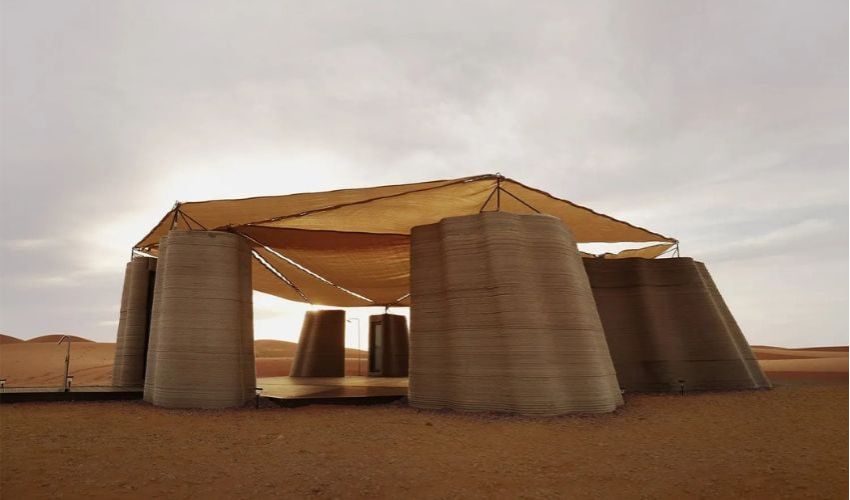 NewsDesert Ark: The First 3D-Printed Concrete Structure in the Chinese DesertThe Chinese architecture studio designRESERVE presents Desert Ark, a series of 3D-printed modules installed in the Tengger Desert in the Inner Mongolia Autonomous Region of China. These small shelters were designed for volunteers planting trees and reforesting this arid part&hell