Applications
Australian Army Tests 3D Printed Metal Armored Vehicle Parts in the Field
The use of additive manufacturing (AM) in the military has been going on for a long time. From helmets to runway mats, the speed and flexibility of 3D printing has proven to be useful to armed forces the world over.…
- 3 min read
- Applications
- Six more stories
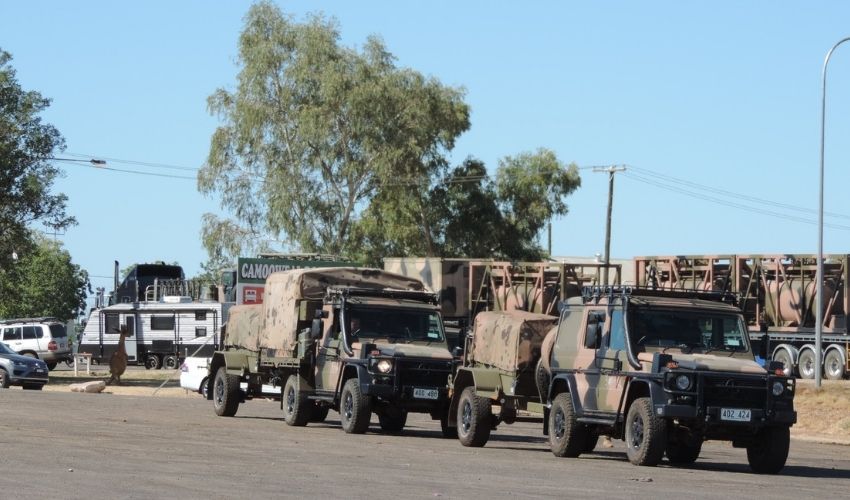
The use of additive manufacturing (AM) in the military has been going on for a long time. From helmets to runway mats, the speed and flexibility of 3D printing has proven to be useful to armed forces the world over. Now, there has been yet another application of AM in the sector. Namely, the Australian Army recently proved that is is possible to 3D print and replace armed vehicle parts in the field using technology from SPEE3D.
We have previously covered SPEE3D’s innovative cold-spray technology and its usefulness for a number of industries. For example, earlier this year the technology was also used as part of the SPAC3D project which aims to make rocket engines using metal 3D printing. In this specific case, the WarpSPEE3D 3D metal printer was used allowing for faster more cost-effective metal parts when compared to other metal processes on the market. WarpSPEE3D is also the largest SPEE3D printer with a build volume of 1000mm x 700mm and able to print large metal parts of up to 40 kg at a rate of 1 kg per minute. This speed and agility is crucial for the armed forces and they hoped to prove that the printer could be effectively used to create spare parts for combat vehicles.
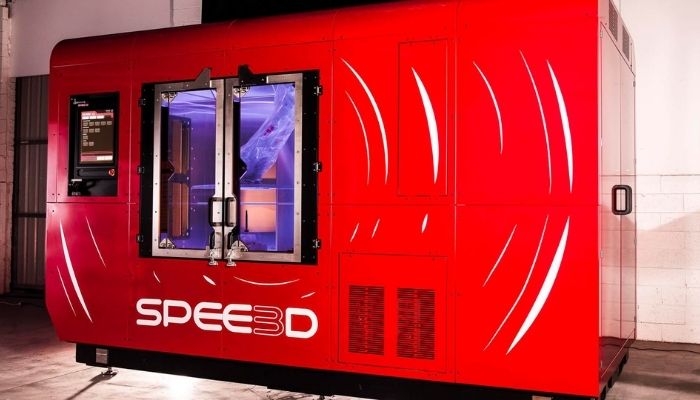
The parts were printed using the WarpSPEE3D 3D metal printer (photo credits: SPEE3D)
Metal 3D Printing Trials with the Australian Army
The company has previously worked with the Australian government and have been working with both the Australian Army and Royal Australian Navy to test the possibility of deploying metal 3D printing in both the barracks and in the field. SPEE3D has also helped train the Australian Army’s Additive Manufacturing Cell (AMC) technicians. These technicians were charged with leading these tests of the parts for the M113 Armored Personnel Carrier during the annual bilateral military exercise, Exercise Koolendong. This particular trial was a continuation of 2020 case studies which demonstrated the printer’s robustness in the Australian bushland.
More from the desk
Six other notes from the rest of the bench.
 Printers3Dnatives Lab: Testing Hey Gears Ultracraft Reflex RS 3D PrinterHeyGears, renowned for its professional dental 3D printing solutions, has recently made a splash on the consumer market with its first resin desktop printer, the Reflex. Following the success of the UltraCraft Reflex, the Chinese brand now offers a more…
 NewsIndustrial scale 3D printing will experience tremendous growth in 2020In a study conducted by Essentium back in March, it was reported that users of AM were starting to invest in 3D printing for mass-production. The report was based on an online survey of 114 stakeholders responsible for decisions regarding…
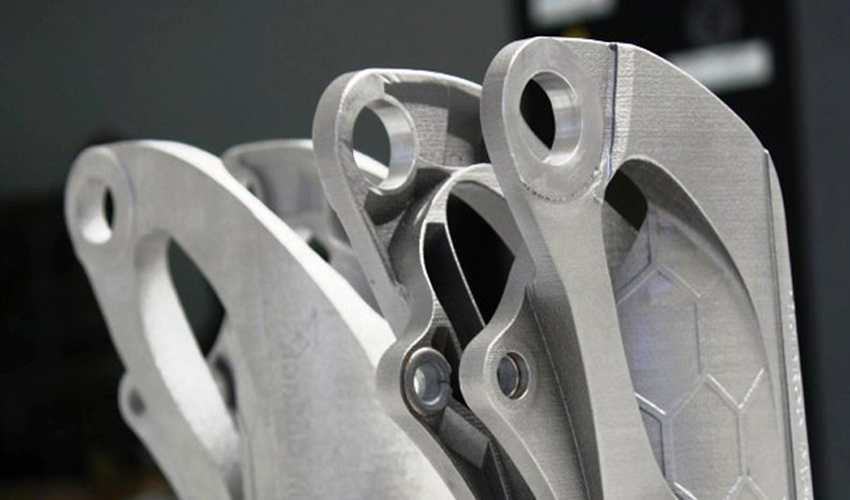 GuidesINEX-ADAM, the European Project Working to Expand Additive Manufacturing KnowledgeOne of the main barriers that companies face when adopting additive manufacturing in their activity is lack of training or knowledge of materials. To address this situation, different types of training and projects are emerging with the aim of democratizing…
 ApplicationsAirbus Qualifies Materialise and EOS to Make 3D Printed Flight-Ready PartsFor several years now, Airbus has been using additive manufacturing to produce and repair many parts for its aircraft. And by qualifying the technologies of Materialise and EOS, the European aircraft manufacturer is renewing its confidence in 3D printing. The…
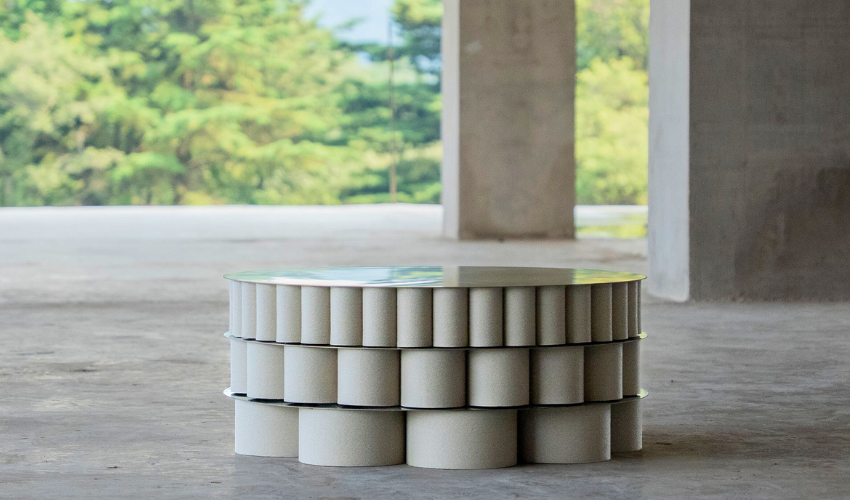 GuidesUkma and Additive Manufacturing in Contemporary DesignLarge-format 3D printing has become one of the most versatile tools in contemporary design thanks to its many advantages. It provides creative freedom, supports a wide range of materials, and offers endless aesthetic possibilities. Ukma is reimagining the relationship between&hel
 MaterialsScientists create healthy snacks from micro-algae 3D printingIn the food industry, 3D printing technologies are changing the way we produce and consume foods. They can help create analogues of meat products, recycle food waste, or customize the shape and properties of dishes for example. Most people being…