News
Artificial Intelligence and 3D Printing Used in the Treatment of Schizophrenia
Artificial Intelligence (AI) is an often divisive topic, however, it is now undeniable that this tool has become extremely powerful and valuable to humans. In fact, AI is now being used in areas such as medicine, especially for the diagnosis…
- 3 min read
- News
- Six more stories

Artificial Intelligence (AI) is an often divisive topic, however, it is now undeniable that this tool has become extremely powerful and valuable to humans. In fact, AI is now being used in areas such as medicine, especially for the diagnosis of diseases and the personalization of drug therapies, always accompanied by the supervision of medical personnel. Thanks to this technology, numerous disease diagnostics have been successfully carried out in the fields of orthopedics and oncology. Currently, the use of AI, combined with 3D printing, is also expanding to mental disorders such as schizophrenia.
A recent study conducted an in-depth investigation into how AI and 3D printing, can help in the treatment of diseases such as schizophrenia. According to the World Health Organization, there are about 21 million people in the world with schizophrenia. It is a disease that arises between the ages of 18 for women and 25 for men and whose symptoms include delusions, hallucinations and cognitive impairment. AI therefore could help physicians not only make early diagnosis of schizophrenia on high-risk individuals, but also personalize their treatment and medication.

The major difficulty related to the diagnosis of schizophrenia is that, unlike areas such as orthopedics and oncology, the symptomatology of this disease is heterogeneous and can therefore manifest itself in different forms for each patient. In addition, schizophrenia cannot be diagnosed by serving biological indicators, but only through the clinical symptoms established by the DSM, i.e., The Diagnostic and Statistical Manual of Mental Disorders, and the ICD, International Classification of Diseases, which all the way are not always sufficient to recognize the less classical symptoms of the disease.
More from the desk
Six other notes from the rest of the bench.
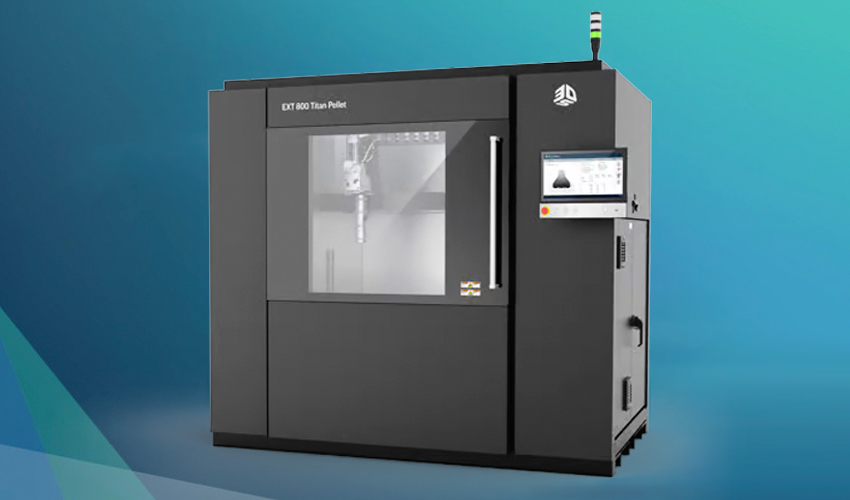 PrintersThe EXT 800 Titan Pellet 3D Printer Expands Accessibility to Industrial ExtrusionLess than two weeks ago, RAPID + TCT, the largest additive manufacturing event in North America, took place. The event was a unique opportunity for many companies to showcase their latest innovations and products to the 3D printing community. Among…
 NewsUniversity of Chapingo Student Boosts Honey Production With 3D Printed HivesThe changes that ecosystems undergo as a result of human action or natural causes directly affect the species that live there. Bees, in particular, have felt the repercussions of human actions, facing challenges such as habitat loss and pesticide exposure…
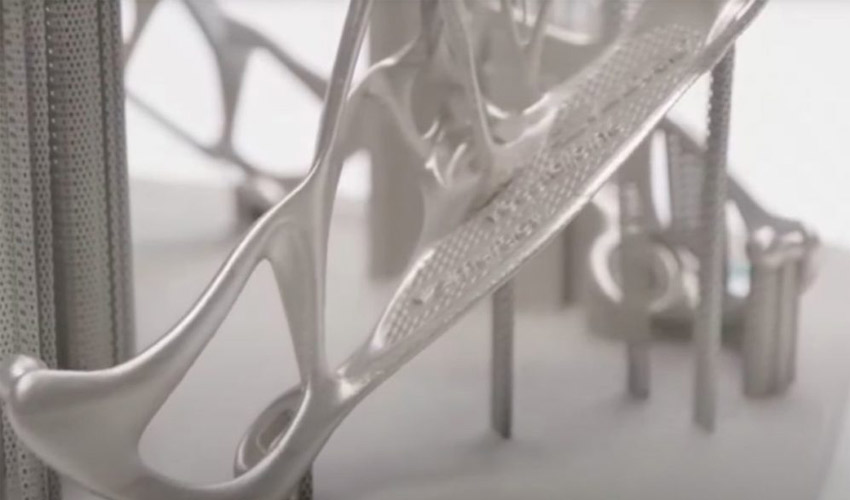 SoftwareFree Float, SLM Solutions’ Software to Reduce Metal 3D Printing Support StructuresSLM Solutions, a leader in the field of metal additive manufacturing, recently unveiled its latest innovation: Free Float. This software reduces the amount of 3D printing support materials needed to build a part. As a result, users will be able…
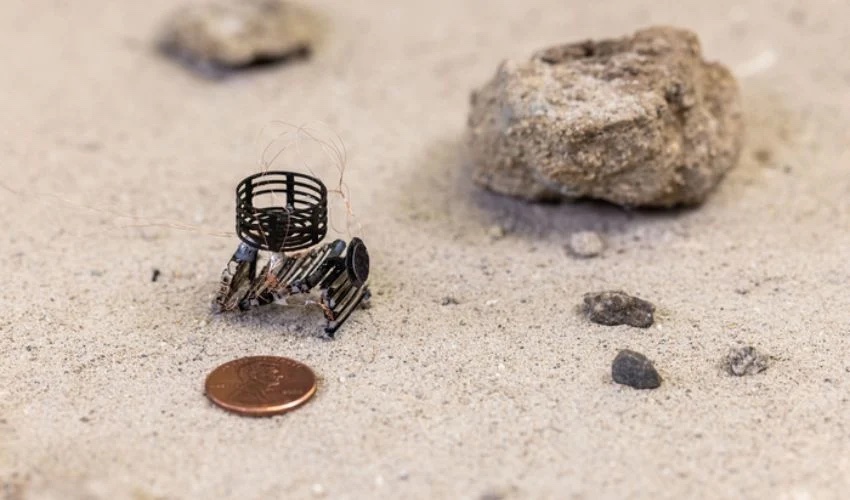 NewsUCLA Scientists Can Print Robots in One GoOn several occasions, additive manufacturing has been used to build robots, in part because of the design freedom it offers. However, in most cases, robots are printed in several parts before being assembled once all the parts have been designed.…
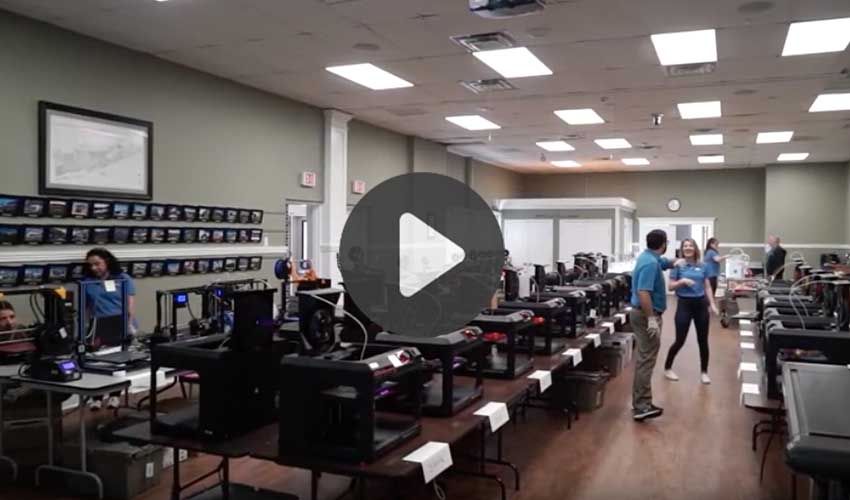 NewsTop 5 Videos: Public library makes 3D printed face shieldsThis week we found the top 5 videos about 3D printing and the way additive manufacturing is changing production. The technology has infiltrated many sectors, from medical to automotive – check our selection of the week to keep up with the innovations! If you enjoy these, you&hell
 NewsWhat Role Can 3D Printing Play in Papermaking?Sweden-based Celwise intends to change the way paper is made. Using additive manufacturing, specifically custom tooling produced on an ExOne machine, the company has developed a patented technology to make, mold and form paper using almost any form of cellulose.…