Guides
Dressler Group on the Importance of Contract Grinding for Additive Manufacturing
When it comes to the quality of additively manufactured components, one thing above all makes a difference: the material used. For binder jetting, HP’s Multi-Jet Fusion technology or selective laser sintering (SLS), this means that the powders used are critical…
- 3 min read
- Guides
- Six more stories
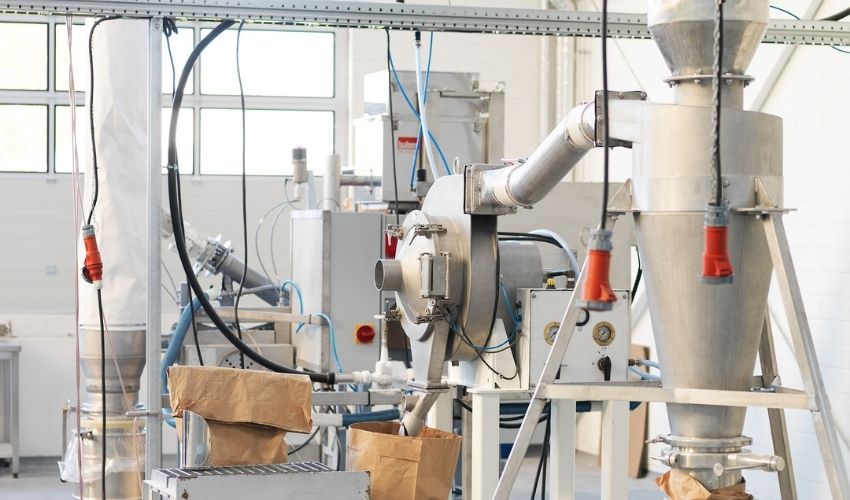
When it comes to the quality of additively manufactured components, one thing above all makes a difference: the material used. For binder jetting, HP’s Multi-Jet Fusion technology or selective laser sintering (SLS), this means that the powders used are critical for the 3D-printed results. For example, the grain size used must be adapted to the specific process. For this reason, it is possible to find experts on the market who specialize in the grinding and refining of plastics and who can advise manufacturers with their know-how. Dressler Group (DG), a family-owned company based in Germany, is one of these contract grinders. The German company has succeeded in establishing itself with international customers as a “grinding authority” in the grinding and refining of high-performance engineering plastics. The ready-to-use powders are used in a wide range of industries – including pharmaceuticals, medical technology, 3D printing and other specialties. We spoke to company owner Jan Dressler to find out more about contract grinding and the importance of additive manufacturing for this sector.
3DN: Can you briefly introduce the Dressler Group and its connection to 3D printing?

CEO Jan Dressler (photo credits: Hartmut Nägele)
Here at Dressler Group, innovation has been part of the company DNA from the very beginning. Our father set standards with his pioneering powder production under cold grinding conditions. The modern adaptation of this idea is the now patented Spherical Powder Technology (SPT), with allows powders to be produced from high-performance polymers (PEEK, PEKK, PEI) that could not previously be pulverized. In both theory and practice, we have found that as well as the particle size, the particle shape and the overall powder design are crucial in additive manufacturing processes such as 3D printing. Printing only produces truly satisfactory results when everything is precisely tuned to the specific processes, machines and applications. This is especially true when it comes to industrial-scale production. In addition, the topic of sustainability and recycling management is gaining in importance. So there is an extra dimension to the stringent demands of our customers: the powders must be made from recycled material, for example, or must themselves be recyclable.
3DN: What are your customers’ most common powder requirements?
Our customers are usually looking to open up new markets or expand their market position. We are often asked to support objectives such as lightweight construction, robust custom moulds, mixed materials, recyclable powders and so on. We still do the actual grinding work, but we create the most value with individual “plug and play” solutions that deliver seamless batch-to-batch quality thanks to our powder design.
More from the desk
Six other notes from the rest of the bench.
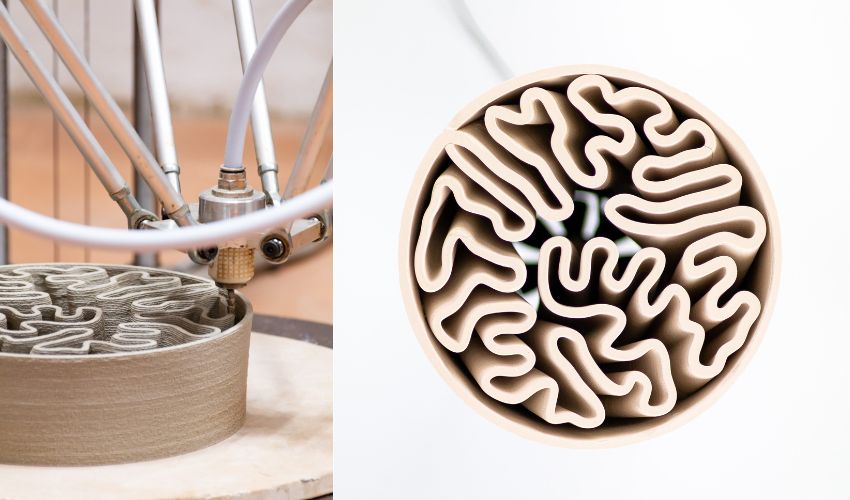 NewsA 3D Printed Air Cooler Could Be an Environmentally Friendly Alternative to Air ConditioningAccording to scientists worldwide, 2023 has been the hottest summer in history. Understandably, this has drawn ever more people not only indoors but to air-conditioned areas to find relief. However, unfortunately, AC units is not the most environmentally friendly. Not…
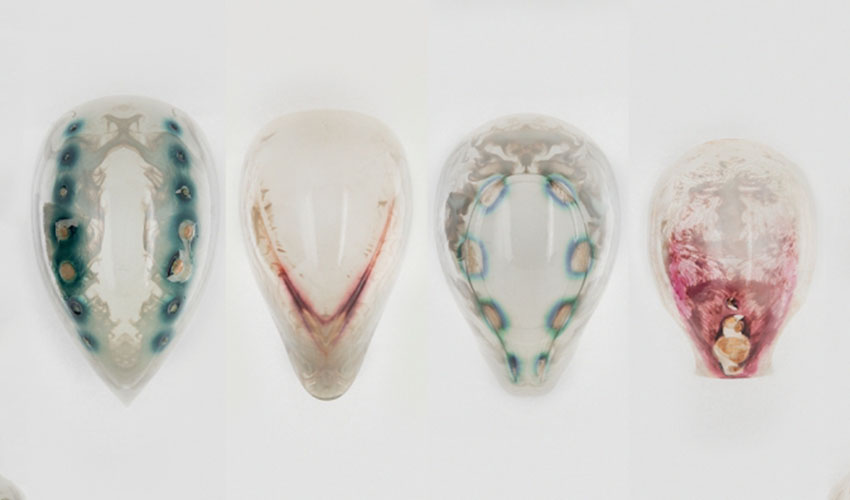 Applications3D printing system uses hybrid living materials to make biomedical toolsHybrid Living Materials (HLMs) are formed by combining living and non-living components such that the resulting composite takes on the properties of both. At MIT’s Media Lab Mediated Matter group, researchers have been studying how 3D printing technologies can control…
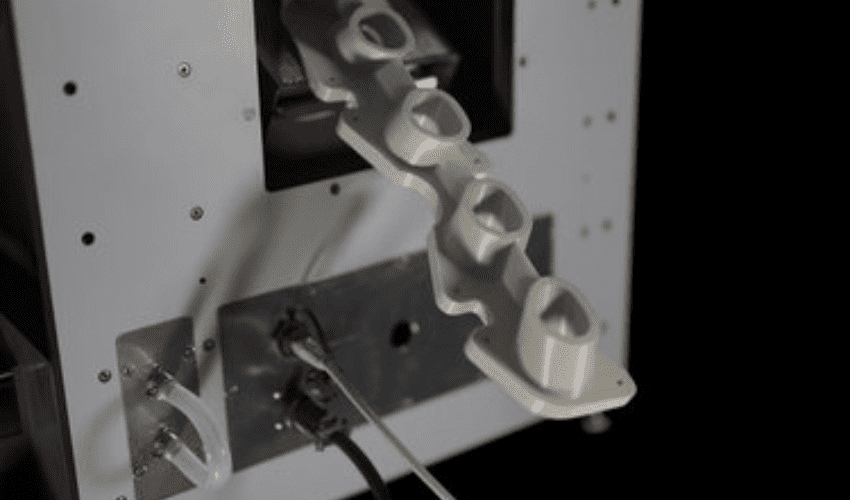 ApplicationsThe ESA Bets on Additive Manufacturing in Space With New IMPERIAL 3D PrinterThe intersection of 3D printing and aerospace is highly pronounced, especially within the realm of space exploration. NASA and ESA have actively embraced 3D printing for various projects in space, marking a significant shift from traditional methods. Notably, the European…
 NewsWEBINAR: Benefits of 3D Printing with Composite ABS FilamentsOver the years, materials compatible with 3D printing technologies have been expanding to enable more applications, especially in industrial sectors that require technical-grade materials. In fact, many studies report that material choice is one of the key drivers of the…
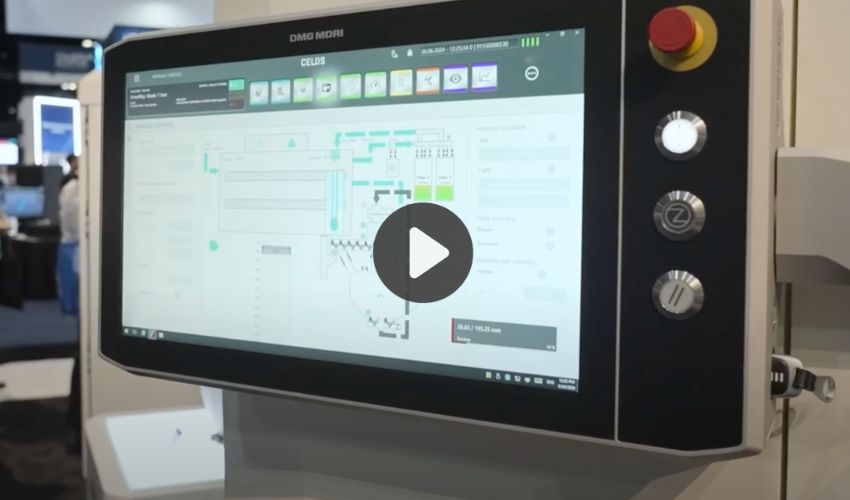 NewsDMG Mori on Advancing Metal Additive Manufacturing at RAPID + TCT 2024Walking around the show floor at RAPID + TCT 2024, one fact quickly became clear: metal is increasingly important in the 3D printing world. Although polymers continue to dominate the market, metal additive manufacturing solutions and applications could be found…
 News3D Printed Handbag Featured in Emily in ParisHave you seen the latest season of Emily in Paris? The cult television series has made waves (both positive and negative) since it first aired in October 2020 and the first half of the fourth season, released on Netflix on…