Printers
An Introduction to Bed Leveling in 3D Printing
When it comes to 3D printing, one of the most daunting aspects for all levels, whether absolute beginners or professionals, is print failures. One technology which is particularly notorious for this is FDM 3D printing as so many different aspects…
- 3 min read
- Printers
- Six more stories
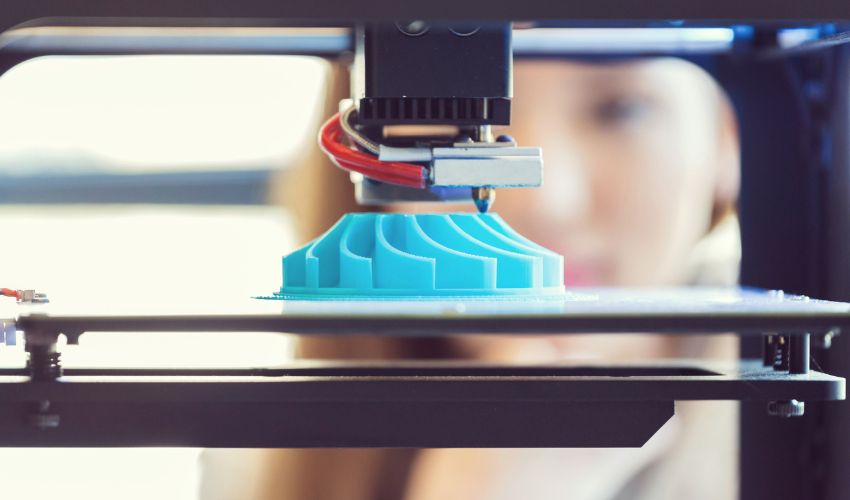
When it comes to 3D printing, one of the most daunting aspects for all levels, whether absolute beginners or professionals, is print failures. One technology which is particularly notorious for this is FDM 3D printing as so many different aspects of the process can contribute to issues with the final part. Indeed, we have already told you about many of the different common printing failures and how to address them including stringing, elephant foot, over-extension, warping and more. But did you know that often learning more about one aspect of the process can help? Notably, by turning to a sometimes overlooked 3D printing step: bed leveling.
Often associated with FDM 3D printing but also present in vat photopolymerization, bed leveling is a critically important but misunderstood part of the full 3D printing process. In the following guide, we will demystify bed leveling for 3D printing taking a look at not only what it is, but why it is important. Additionally, we will cover the differences between manual and automatic bed leveling for a full introduction to the subject.
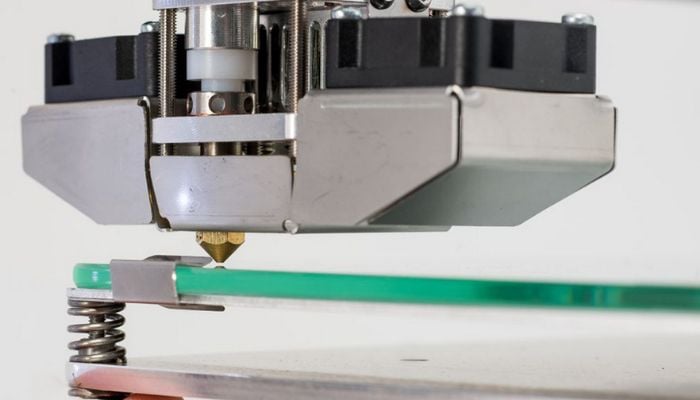
Bed leveling is an important step in 3D printing to ensure that prints come out correctly (photo credits: UltiMaker)
What Is Bed Leveling and How Does It Work In 3D Printing?
So of course the first question anyone will ask is what exactly is bed leveling in 3D printing. Contrary to what some may think, bed leveling does not refer to leveling the printer bed with the floor. Rather, bed leveling refers to the calibration of the parallelism relative to and height between the print nozzle or nozzles (for IDEX printers for example) and the entire printing surface. When leveling, it is necessary that this height be the exact same no matter where the nozzle is on the x- or y-axes.
More from the desk
Six other notes from the rest of the bench.
 NewsTop 5 Videos: 3D printing turbines and much more!This week we found the top 5 videos about 3D printing and the way additive manufacturing is changing production. The technology has infiltrated many sectors, from medical to automotive – check our selection of the week to keep up with the innovations! If you enjoy these, you&hell
 News#3Dstartup: Metallum3D offers microwave sintering for metal AMIn recent years, the metal additive manufacturing segment has experienced a strong growth, explained in great part by the arrival of players who wanted to make it more accessible to users. These players have offered technologies close to MIM or…
 GuidesIGO3D on Promoting the Deployment of Additive Manufacturing in EuropeThe additive manufacturing market is rapidly evolving, offering significant benefits to companies of all sizes. It regularly offers innovations, whether in terms of 3D printers, software, materials or post-processing methods. It’s not always easy to keep up with these trend
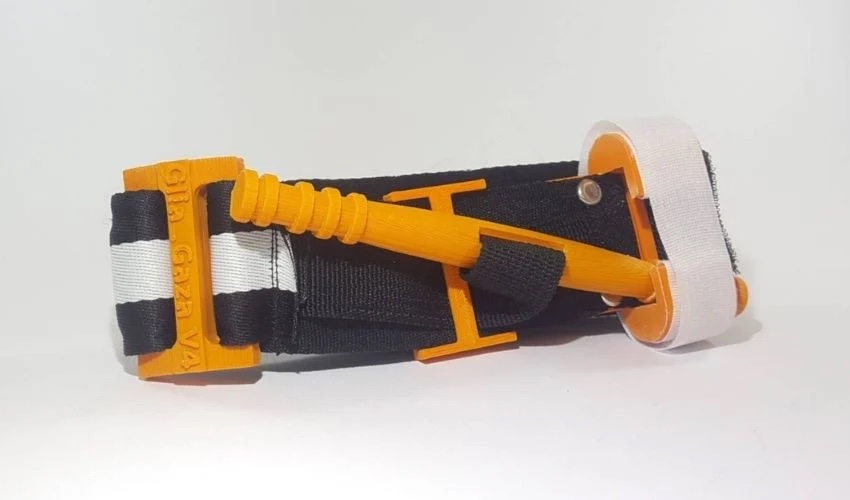 Applications3D Printed Tourniquets Could Help Save Lives in UkraineThe need for assistance to residents in Ukraine could not be more urgent due to the current Russian invasion. Aid organizations, States and even private companies have called for donations necessary for survival. From clothes, food or medicine – the…
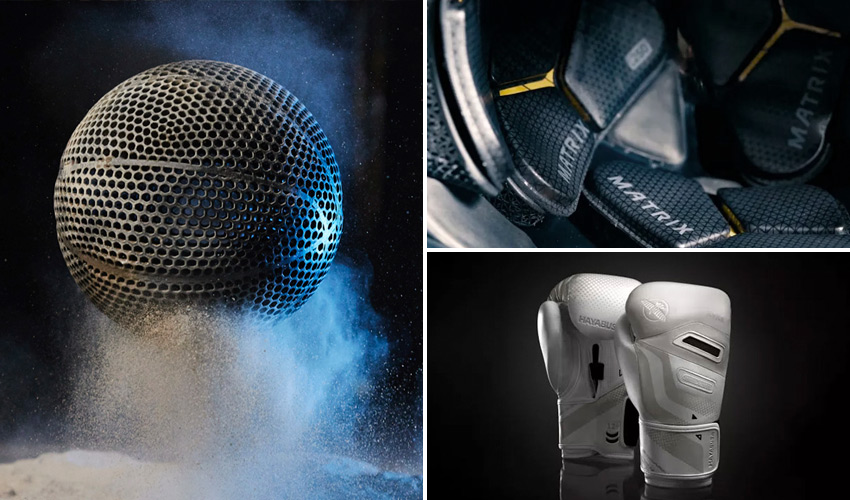 GuidesThe Top 3D Printing Applications in Sports3D technologies are ever increasingly being used in the consumer goods sector. In particular, we have seen a growing role for additive manufacturing in the sports industry over recent years. Not only that but 3D printing in sports is not…
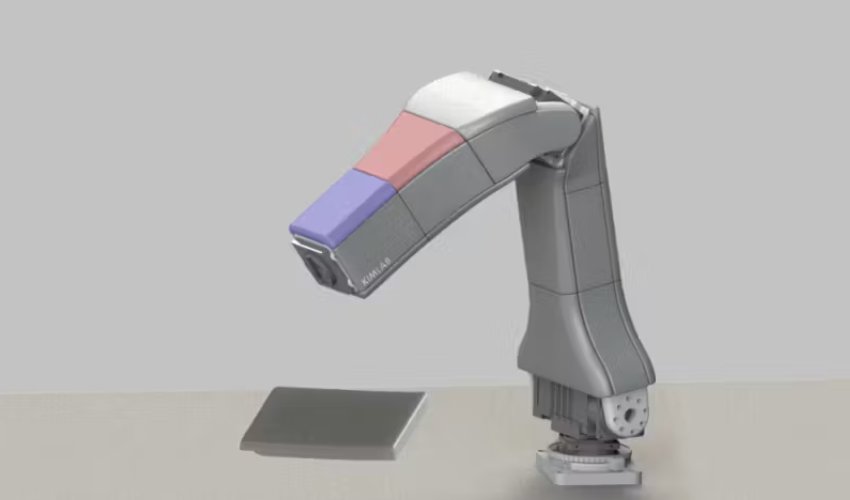 Applications3D Printed Soft Skin Pads Offer Enhanced Safety and Usability in RoboticsResearchers at the University of Illinois Urbana-Champaign have unveiled a cost-effective solution to equip robots with a human-like sense of touch. Leveraging the power of 3D printing technology, these innovative soft skin pads not only provide a gentle touch but…