News
US Air Force develops reinforced ceramics 3D printed sensors
The US Air Force has been incorporating additive manufacturing technologies in its operations for quite a while now. For instance, it has already collaborated with GE Additive to facilitate the adoption of metal 3D printing. This time US Air Force…
- 3 min read
- News
- Six more stories

The US Air Force has been incorporating additive manufacturing technologies in its operations for quite a while now. For instance, it has already collaborated with GE Additive to facilitate the adoption of metal 3D printing. This time US Air Force was interested in innovative materials to fabricate 3D printed sensors, that would have better properties than traditional materials. For this purpose, they have partnered with Florida State University for a dedicated research program. The project was successful and led to the development of 3D printed reinforced ceramics sensors.
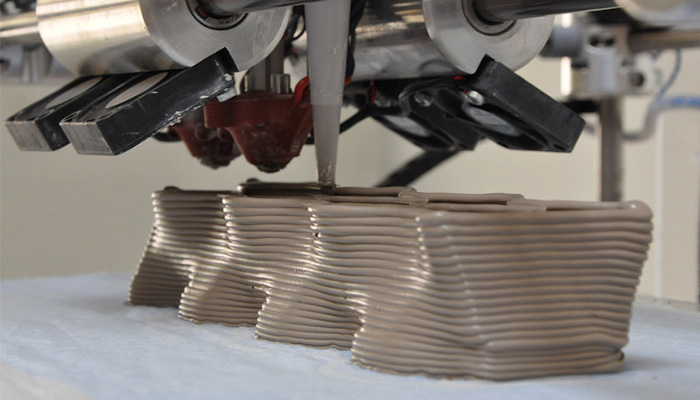
Conventional 3D printing with ceramics
The research started a few years ago, in 2016, and has mainly focused on materials solutions for high-temperature sensors and diagnostics. It was led by Dr. Amanda Schrand, from AFRL’s Munitions Directorate, and Dr. Cheryl Xu, Associate Professor at Florida State University who recently relocated to North Carolina State University. “This is a great enhancement to the powder material used in 3D printing,” claims Dr. Xu. “The liquid polymer lends itself to many different, more advanced uses. 3D printing of liquid polymer precursors allows for the creation of complex shapes and honeycomb cellular architectures.”
The scientists used liquid preceramic polymers, which are a special class of polymers that can convert into ceramic materials, also known as polymer-derived ceramics (PDCs). This conversion occurs after a special high-temperature treatment, called pyrolysis.
More from the desk
Six other notes from the rest of the bench.
 NewsUltralight AMbelievable Dampener Reduces Vibration For Better Tennis PlayingDjokovic, Nadal, Sharapova and Williams – all four of these legends use a dampener on their tennis rackets. Dampeners, also known as shock absorbers, are small pads made of rubber or silicone that are clamped between the strings on the…
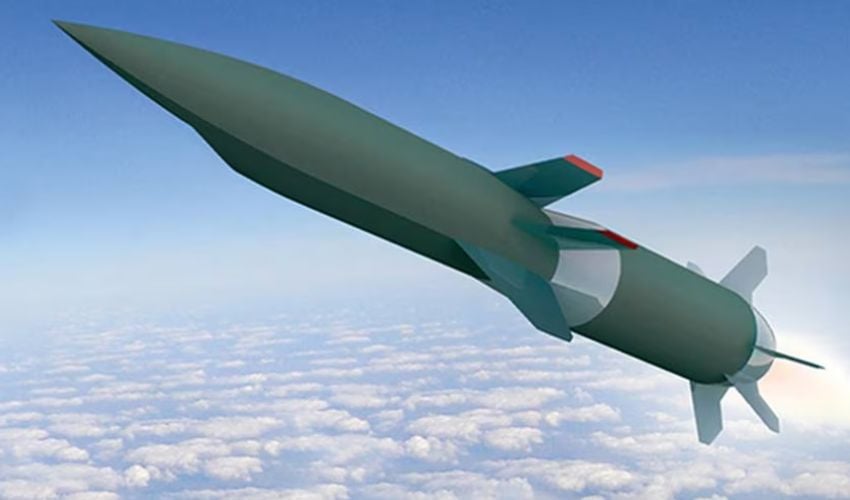 ApplicationsThe Department of Defense Is Using 3D Printing to Make Hypersonic WeaponsThe U.S. Department of Defense has quite a history of using 3D printing, working to implement this technology in many of its new weapons and vehicle designs. An example of this is the agreement between Newport News Shipbuilding and General…
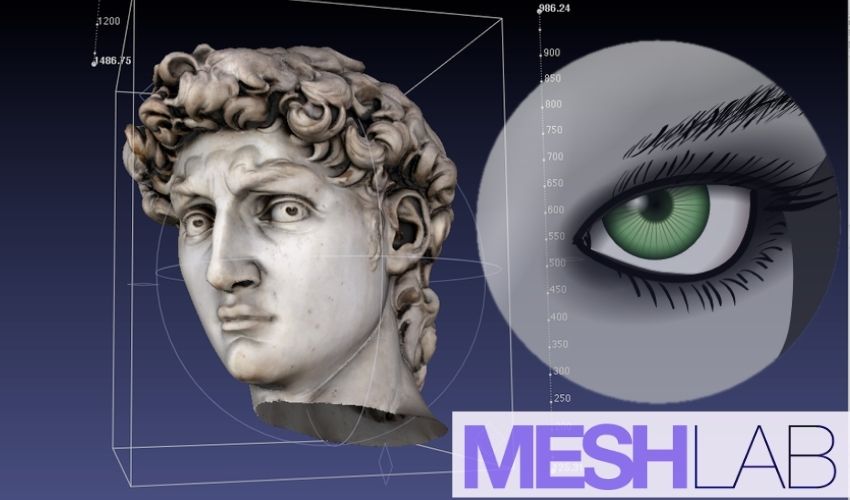 SoftwareAll You Need to know about MeshlabThose of you who ever took to the task of 3D printing their own project might have come across a particular dilemma. You’re excited to print the object of your choice after selecting a suitable STL file, which you’ve either…
 NewsWhat to Expect at RAPID + TCT 2022The biggest North American additive manufacturing event, RAPID + TCT will be taking place this year from May 17th-19th in Detroit, Michigan. This is the 30th year that the event will be held and is a joint project between two…
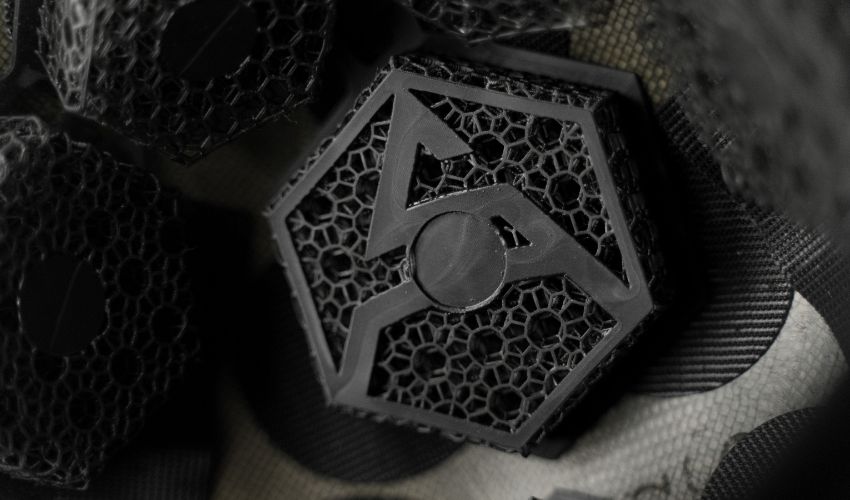 ApplicationsNew 3D Printed Helmet Suspension System for Military and Law EnforcementWhen most people think of making helmets safer, 3D printing technology is probably not the first thing that comes to mind. However, over the years we have seen numerous examples where additive manufacturing has contributed to better-fitting, more comfortable helmets,…
 NewsTop 5 Videos: 3D Printing Users’ Perspectives on the AM IndustryWelcome to our compilation of this week’s most compelling 3D printing highlights. We kick off this week’s edition with our very own video, presenting different 3D printing users in various sectors and uncovering their visions and insights on the industry…