Applications
A 3D Bioprinter on Board the ISS: The Future of Space Medicine?
Astronauts must be prepared for a variety of health problems in space, because they have no direct access to comprehensive medical care in their isolated environment. Although medical equipment and medicines are available on board space stations, and astronauts can…
- 3 min read
- Applications
- Six more stories
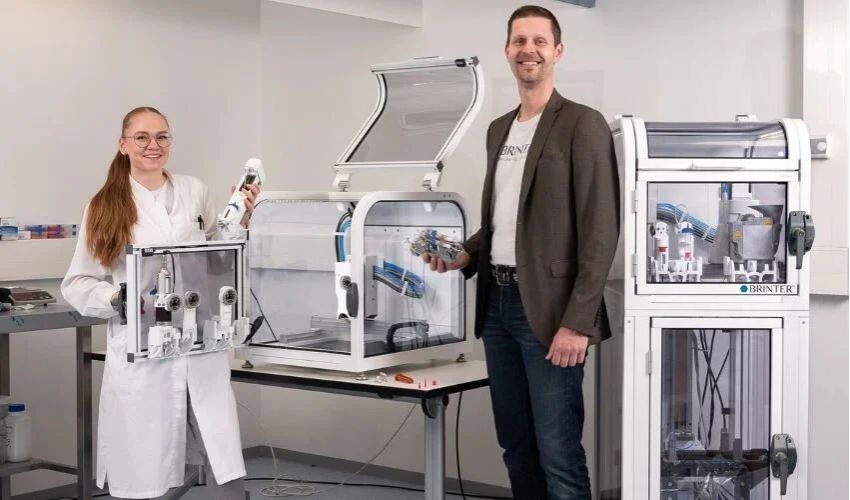
Astronauts must be prepared for a variety of health problems in space, because they have no direct access to comprehensive medical care in their isolated environment. Although medical equipment and medicines are available on board space stations, and astronauts can communicate with doctors on Earth, treatment options remain limited. But new research in orbit, including the use of a 3D bioprinter, could soon change all that.
Finnish bioprinting company Brinter AM Technologies recently sent the Brinter Core 3D bioprinter to the International Space Station (ISS). The printer was first delivered to Redwire Space NV, a space systems developer currently leading a project to integrate the 3D biosystem on the ISS, with financial support from the European Space Agency (ESA). Once adapted and integrated into the 3D biosystem on the ISS’s Columbus module, the printer should be able to produce biological samples in orbit, meeting a wide range of space requirements.
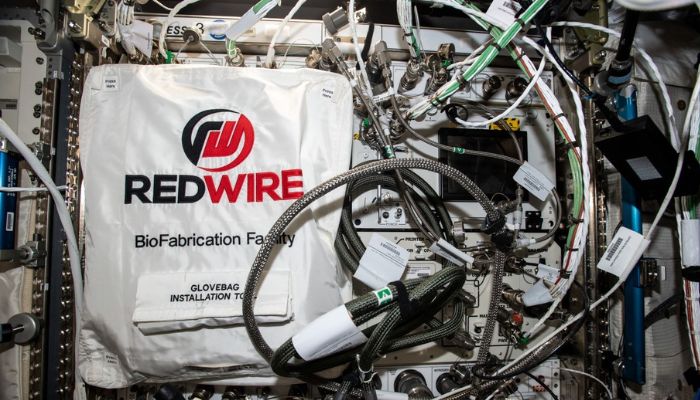
The bioprinter installation on the ISS (Photo credits: Redwire)
This research aims to study the effects of microgravity on 3D-printed cellular structures to improve the management of health emergencies and diseases in space. Research will also be carried out on 3D printed drugs, toxicology and 3D printed body parts. Tomi Kalpio, CEO of Brinter AM Technologies Oy, explains that astronauts can use the bioprinter to “create tissue-like constructs to replace damaged parts of their bodies”, for example to treat skin burns or bone lesions. The 3D printer is to be used to grow cells, organs, tissue implants and cell matrices. These offer the possibility of studying the effects of microgravity and other space factors on human tissues, including bone, cartilage, vascular networks and, ultimately, whole organs.
More from the desk
Six other notes from the rest of the bench.
 NewsTop 5 Videos: PLA vs. ABS & 3D-Printed RocketsThis week discover, among other things, the properties and characteristics of PLA vs. ABS, two of the most popular polymers in the 3D printing industry. Next, explore the world of 3D-printed rockets being used for space missions. Moving on to…
 GuidesCoastruction Dives Into Novel Solutions for 3D Printing ReefsOceans are key to the planet’s health, and that is why humans must protect them. Several companies have leveraged 3D printing technology to aid ocean conservation in recent years, and their work has been nothing short of innovative. Some common…
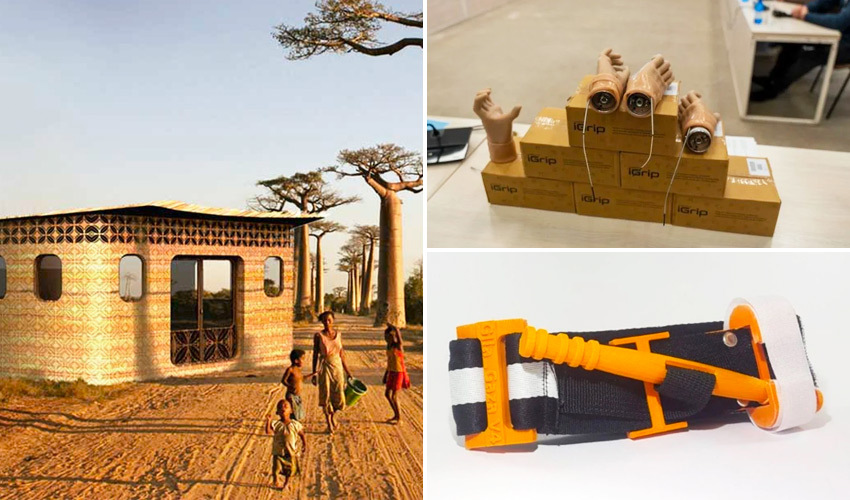 GuidesExciting Projects Using 3D Printing for Humanitarian AidHumanitarian aid is defined by the European Commission as “delivering life-saving assistance to those in need, without any adverse distinction.” This help is done outside the boundaries of politics, religion and the military in order to help those who are…
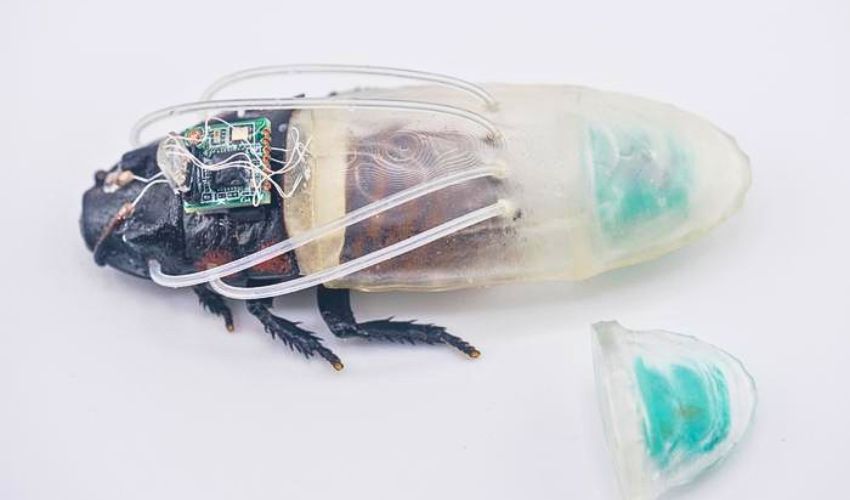 News3D-Printed Suit Lets Cyborg Cockroaches Dive UnderwaterCockroaches are usually the last creatures anyone wants to encounter. But researchers at Nanyang Technological University and Waseda University have turned them into unlikely rescue tools, fitting living insects with 3D-printed underwater suits that let them navigate flooded envi
 News3D printed surgical models for pets will change veterinary careWe’ve mentioned many times on 3Dnatives how 3D printing can enable the creation of tailor-made solutions for patients. By modeling the piece in 3D software, it is possible to achieve a unique and custom-made solution for all morphologies or needs.…
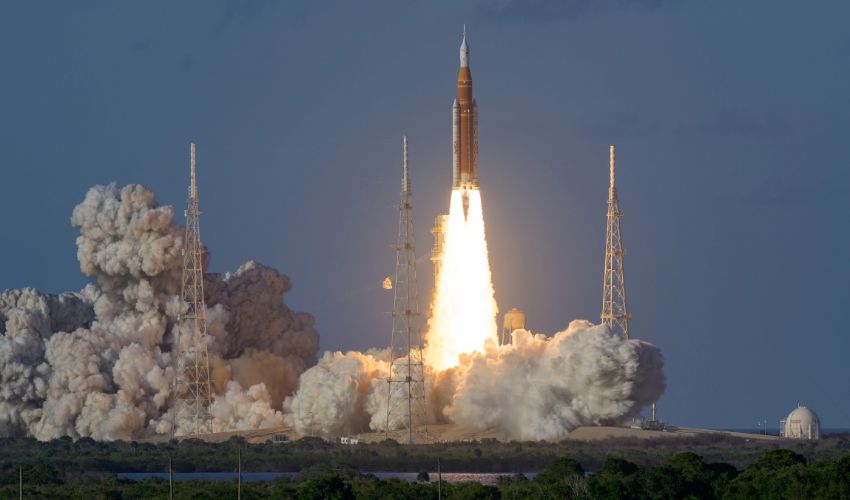 ApplicationsWas the Artemis II Toilet 3D-Printed in Titanium? What We Really KnowThe Artemis II mission launched on April 1, carrying four astronauts on the first crewed flight around the Moon in more than half a century. On board was the Universal Waste Management System (UWMS), the first functional toilet to travel…