News
We’ve Been Here Since 2014: 3Dnatives Unveils a New Identity for 3D Printing’s Next Era
If you logged onto the site today, you probably noticed that things look a little different around here! We are incredibly excited to officially share the new 3Dnatives brand identity with you. While it is a big visual change, this…
- 3 min read
- News
- Six more stories
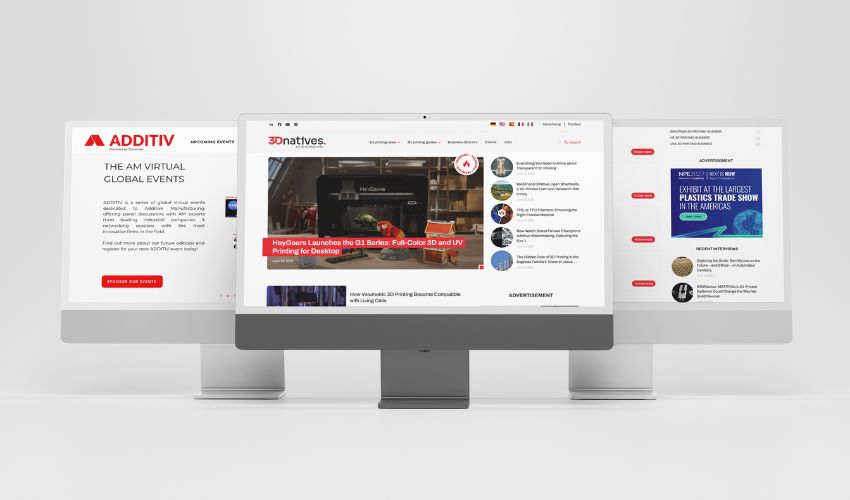
If you logged onto the site today, you probably noticed that things look a little different around here! We are incredibly excited to officially share the new 3Dnatives brand identity with you. While it is a big visual change, this update is really about celebrating our 12-year journey together and charting how much 3D printing has evolved. For those of you who have been reading our articles since the early days, we are sure you can spot the difference.
When 3Dnatives was founded back in 2014, big things were happening in the industry. The first 3D printed part was fabricated aboard the International Space Station, significant progress was made in 3D printing organs, the Formlabs Form 1+ launched, and key laser sintering patents expired. The additive manufacturing landscape was developing rapidly on two fronts: the maker scene was becoming increasingly powerful, and industrial players were leveraging high-end systems for prototyping and tooling. The 2014 Wohlers Report revealed that the market had grown by a whopping 34.9% the past year, with the industry value exceeding $3 billion.
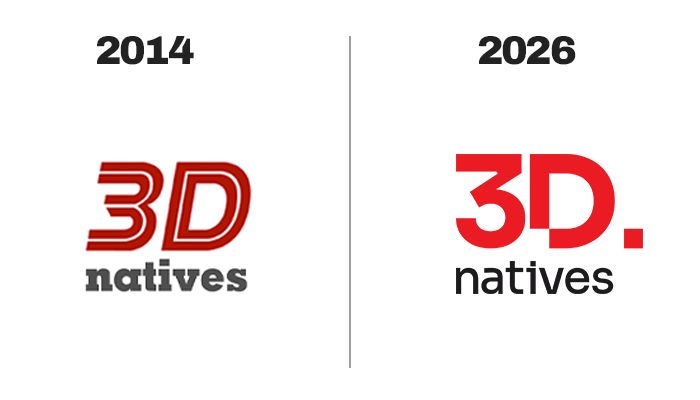
The 3Dnatives logo evolution
Today, the market has matured into a sector worth over $24 billion, with more industrial users turning to AM as a production method and more creators joining the scene. We’ve also noticed a distinct shift in the last few years. Instead of the focus being largely on what the machines can do, we’re further exploring how to apply them. This pivot is especially evident at trade shows, where some companies skip displaying hardware altogether to focus on applications. Essentially, there’s been a growing focus on specialized industrial applications and end-use parts. At the same time, the desktop sector is witnessing a massive second peak, as maker-friendly machines reach unprecedented levels of quality and accessibility.
More from the desk
Six other notes from the rest of the bench.
 ApplicationsVoxelMatters Reports on Additive Manufacturing in Aerospace and DefenseThe defense and aerospace industries have used additive manufacturing in a variety of ways. While in its early days it was mainly used for prototypes and tools, we are now seeing more and more end parts in these industries being…
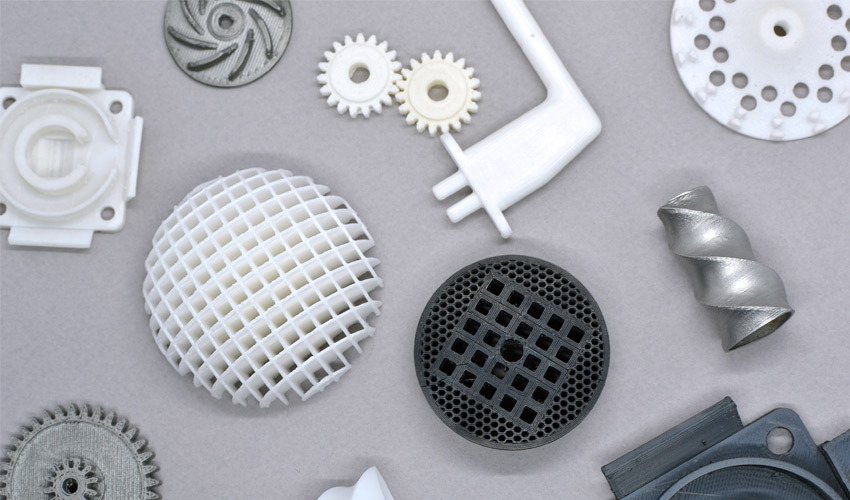 GuidesNanoe on Democratizing Ceramic and Metal Desktop Additive ManufacturingAn expert in developing raw materials for the ceramics industry since 2008, French company Nanoe entered the additive manufacturing market in 2018 with its first line of ceramic filaments. Compatible with FDM machines, they enable the design of durable parts…
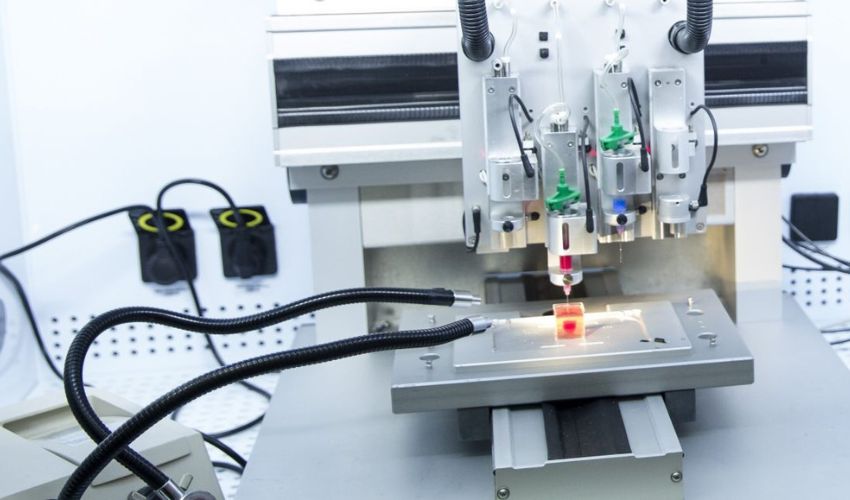 ApplicationsResearchers Make Advancements in 3D Printed Urethra for Hypospadias TreatmentAmid the growing adoption of 3D printing within the medical field, researchers at Poland’s Łódż University of Technology are developing a revolutionary solution for infant boys born with hypospadias, a common congenital condition affecting the urethral opening, causing it t
 NewsInfographic: 3D Printing in the Jewelry IndustryAnyone who thinks that 3D printing is only interesting for industry and high-performance applications is wrong! Designers and artists have long since discovered the benefits of additive manufacturing for creative works and we have seen numerous applications for 3D printing&hellip
 News3D Printed Bombs Are Helping With the Weapon Shortage in UkraineThe conflict in Ukraine continues to escalate with no end in sight. Arguably ongoing since 2014 when Russia annexed Crimea, the full-scale invasion of the country actually started in February 2022. Although the Ukrainians have fought valiantly, the death and…
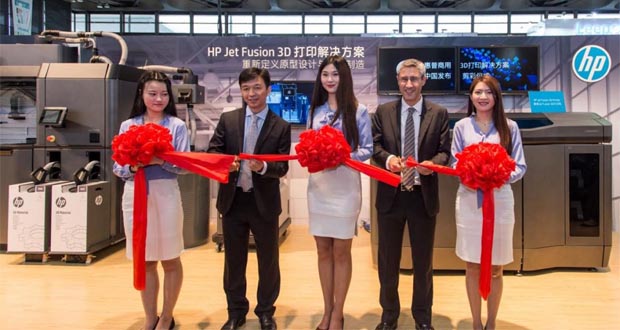 NewsHP makes big announcements at Die & Mould China 2017Coming on the cusp of recent announcements by HP at the RAPID + TCT fair in the US earlier this month, HP is now back with new surprises at the Die & Mould China 2017 Expo in Shanghai that just…