Printers
3Dnatives Lab: Testing MakerBot’s Method X CFE
MakerBot, founded in 2009, is considered a pioneer of desktop 3D printing and has operated as an independent subsidiary of Stratasys since 2013. The company has already introduced its sixth generation of 3D printers with the launch of the Method…
- 3 min read
- Printers
- Six more stories
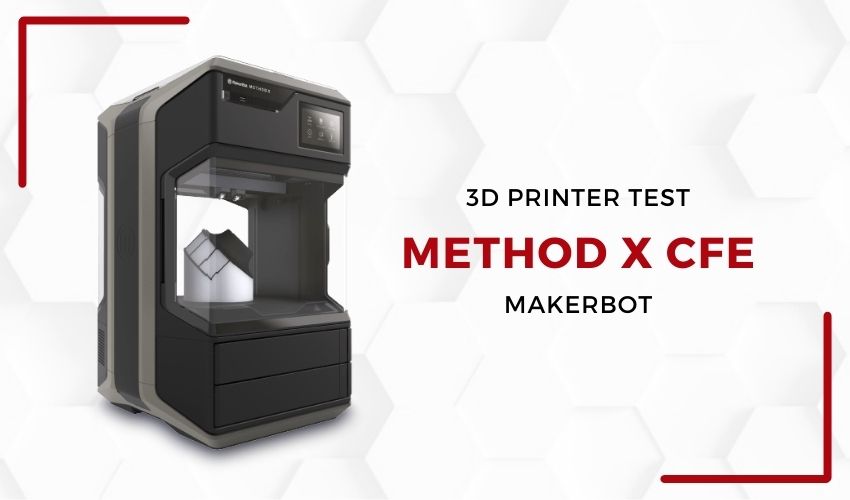
MakerBot, founded in 2009, is considered a pioneer of desktop 3D printing and has operated as an independent subsidiary of Stratasys since 2013. The company has already introduced its sixth generation of 3D printers with the launch of the Method series. These are based on 220,000 hours of test printing and 30 patents, which have catapulted the American company back to the top. With the Method, Method CFE, Method X and Method X CFE models, MakerBot has been able to completely revamp its lineup of FDM 3D printers for professionals.
Key features of the range include an enclosed and heated chamber and a maximum build volume of 19 x 19 x 19.6 cm. The devices are equipped with two print heads which are capable of printing layers with a minimum thickness of 20 microns, these print heads are able to operate at a speed of up to 500 mm/s. In addition, as it is a Plug&Play machine, the series impresses with extruders that can be replaced in seconds. The CFE (Carbon Fiber Edition) versions, as the name suggests, can print parts with carbon fiber reinforced nylon filament. The 3Dnatives Lab had the opportunity to test the Method X CFE 3D printer, which is currently offered at a price of $5,249.25 (€6,247 incl. VAT). So what are the special features of this machine? What materials can it print? And how does the Method X compare to other 3D printers on the market? Read on for 3Dnatives’ full review of MakerBot’s Method X CFE 3D printer. You can also watch the video of the review below.
1. Unpacking the Method X CFE
For our test, we received the Method X CFE 3D printer with a separate wash tank to clean the SR-30 soluble support material. The machine was packed in another box, and unpacking it was relatively easy thanks to four clips that make it easy to lift off the top of the packaging. Inside the packaging is the 3D printer wrapped in foam and plastic wrap, which protect the machine from breakage or scratches during shipping.
More from the desk
Six other notes from the rest of the bench.
 MaterialsHow to Choose a Polymer for Your 3D Printing Application? Experts Give Their Advice!Today, there are a wide variety of materials that are compatible with additive manufacturing technologies, from thermoplastics to metals, ceramics and photosensitive resins. The largest family of these materials is polymers, which can be found in different forms depending on&hell
 NewsDouble D Trailers Has Announced the First 3D Printed Horse TrailerDouble D Trailers is an American brand that specializes in the manufacture of horse trailers. The company’s goal is to design the first 3D printed horse trailer using an XXL printing solution with a robotic arm. By using additive manufacturing,…
 GuidesThe top Canadian Maker Faires for DIY fans in 2018We put together a list last week with the biggest Maker Faires in the US. This time we will take a look at what is worth checking out outside the states, crossing over to the top Canadian Maker Faires. First…
 SoftwareChiTuBox, the Slicer Designed for Resin 3D PrintingWhen it comes to 3D printing software, one of the most critical are slicers, which are used to prepare a 3D model for printing. These intermediaries convert the 3D model into a series of thin layers and generates a G-code…
 Guides#3DStartup: Act’ble Brings Comfort and Stability with 3D Printed Dance ShoesClassical dance involves very specific techniques and movements, often associated with harmony and grace. Behind this idea, there is obviously a lot of work done by the dancers, efforts that of course can take a toll on the body itself.…
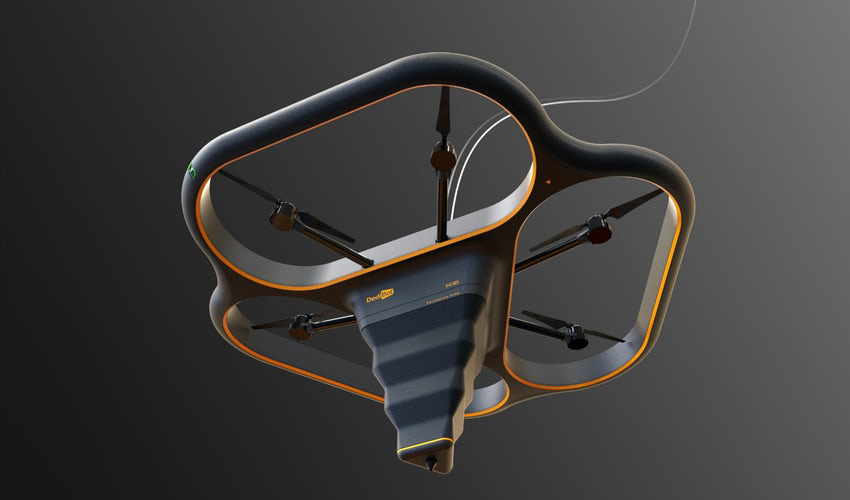 PrintersYes, We Now Have Flying 3D PrintersNo, we’re not joking. A flying 3D printer really was unveiled recently by DediBot during TCT Asia 2018. The printer, named the “Fly Elephant”, is the world’s first 3D printer capable of flying in the air whilst printing parts. The…