Applications
3DExpress: A Mini Camper Van 3D Printed From Recycled Bottles
This week, we’re taking you on a journey with a rather unusual trailer camper van designed in part by 3D printing. It’s compact and easily transportable, practical and functional, and made from over 7,000 recycled plastic bottles! We’ll also introduce…
- 3 min read
- Applications
- Six more stories

This week, we’re taking you on a journey with a rather unusual trailer camper van designed in part by 3D printing. It’s compact and easily transportable, practical and functional, and made from over 7,000 recycled plastic bottles! We’ll also introduce you to Nike’s new sneakers, produced on the Zellerfeld printing platform. Finally, we take a look at a new filament brand which will be presented for the first time at Formnext 2024. Happy reading and have a great weekend!
A Mini Camper Van Made From 3D Printing and Recycled Bottles
While more and more holidaymakers are taking to the road in motorhomes or hooking their camper vans up to their cars to enjoy unique moments, the DISCOVER 3D concept is part of an even more nomadic approach. It’s a small, ultra-functional trailer camper van made in part by additive manufacturing. To be more precise, the project leaders used 7,500 recycled plastic bottles to design a structure weighing just 400 kilos. Easily transportable due to its dimensions, it integrates kitchen equipment, entertainment accessories and even a small sink. The company iScale3D appears to be behind the printing itself, carried out using a robotic arm. Discover the 3D printed trailer camper van in the video below:
3D Printed Anatomical Models of the Brain
A team of engineers from the University of Southampton has developed an innovative surgical planning process using anatomical replicas created by additive manufacturing. This approach, which combines advanced imaging, data processing and 3D printing, has proved essential for complex surgeries such as intracranial aneurysms. The project was led by neurosurgeons Professor Diederik Bulters and Dr. Orestis Katsamenis, who created a detailed 3D model of the aneurysm and surrounding bony structures using MRI and CT scans. The model was used to simulate surgery, providing an invaluable tactile reference for preoperative planning, particularly in the case of a giant 7 cm aneurysm, for which conventional surgery was not feasible. Thanks to this technology, the operation was a success, and the patient was discharged from hospital two days later.
More from the desk
Six other notes from the rest of the bench.
 SoftwareAll You Need to Know About nanoCAD, the Free Software From NanosoftWhile the various 3D printing processes work differently, they all start in the same way: first, a 3D digital model of the part must be produced. And this can be done in a number of different ways. Probably the most…
 MaterialsWith Forust, Desktop Metal Invests in Wood 3D PrintingAt the start of the year, Desktop Metal expressed its desire to tackle the resin additive manufacturing market with the acquisition of EnvisionTEC, one of the historical leaders in resin 3D printing. But the plans of the American giant do not…
 NewsTop 5 Videos: Using FDM to Print Ceramic and Metal FilamentsIn this week’s top 5, check out the latest webinar from 3Dnatives, “How Can You Use FDM to Print Ceramics and Metals?” Though ceramic and metal filaments are becoming increasingly common, especially for those using FDM for industrial purposes, there…
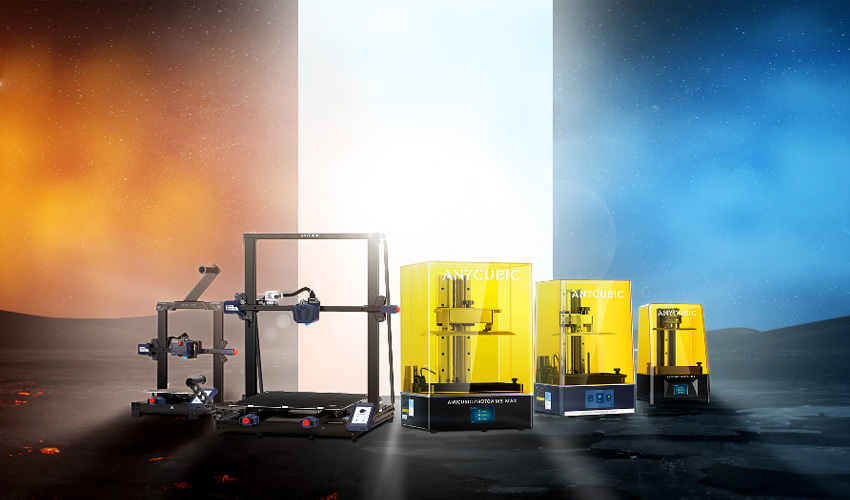 PrintersAnycubic Launches Two New Ranges of FDM and LCD 3D PrintersWe are not far into 2022, and already we have seen the 3D printing market flourish. Between mergers and acquisitions and a number of exciting launches, the additive manufacturing sector seems healthier than ever. Now, in the latest news, Anycubic…
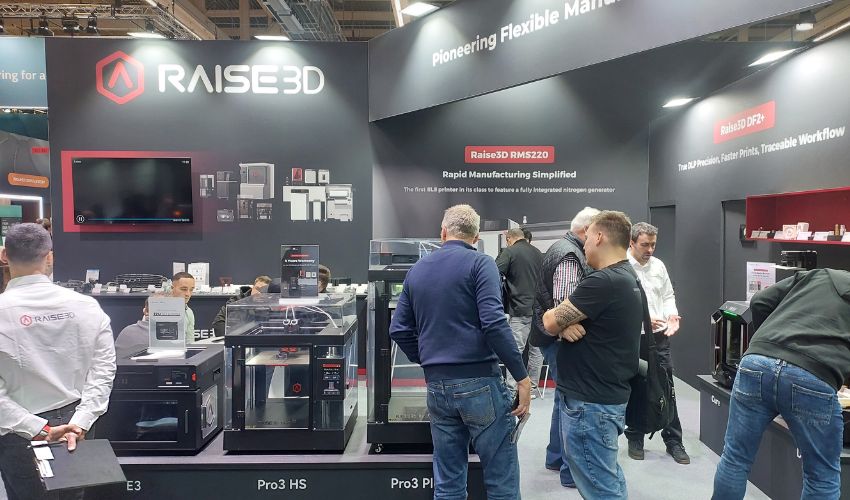 GuidesAdvancing into SLS Manufacturing: Raise3D’s Strategy to Build a Complete Polymer AM EcosystemOver the past decade, Raise3D has established itself as a key player in professional polymer 3D printing. Initially known for its FDM systems, the company has progressively expanded its portfolio to address a wider range of industrial needs, entering the…
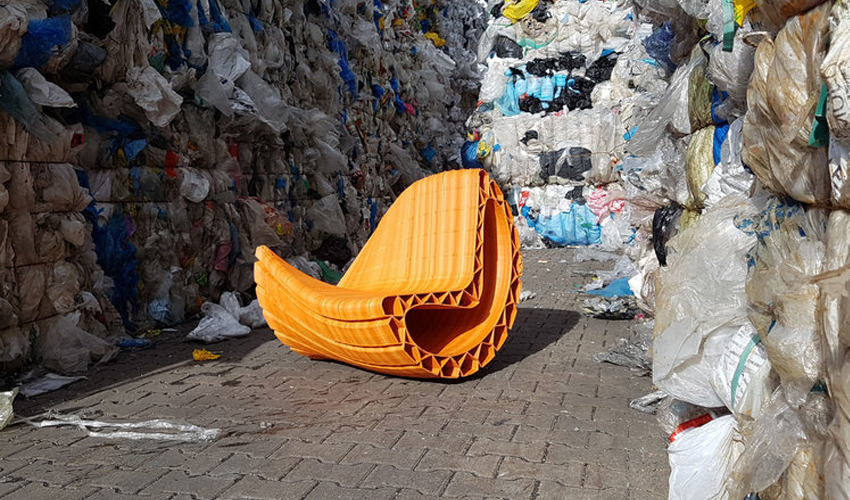 News3D Printed Street Furniture Made from Plastic Waste3D printed benches are now bring created from plastic waste, as part of Amsterdam’s ‘Print Your City’ initiative. This program aims to transform plastic waste into trendy street furniture, reducing annual waste. Plastic: A growing problem Currently, the average