News
Reproduction of World Heritage Site in China Achieved Using 3D Printing
Accidents and vandalism aside, just merely interacting with old monuments or artifacts leads to their degradation. You might know of precious books which researchers must wear gloves to handle lest their fingers damage the pages, and the statue of St…
- 3 min read
- News
- Six more stories
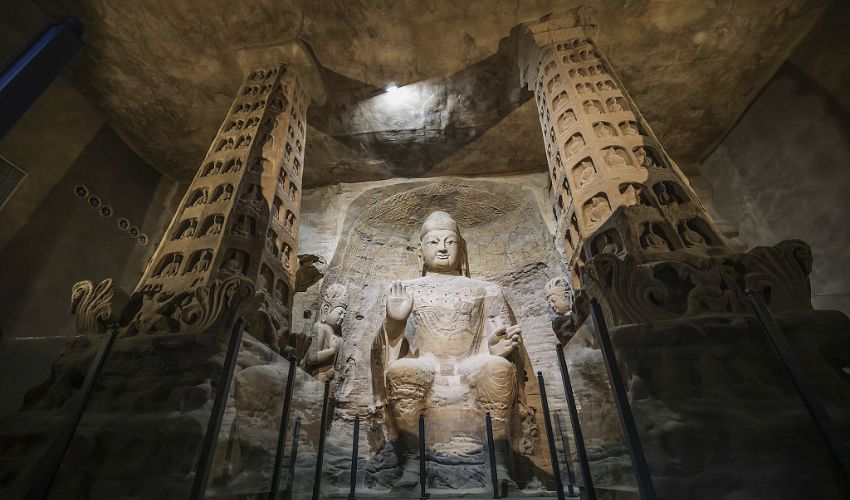
Accidents and vandalism aside, just merely interacting with old monuments or artifacts leads to their degradation. You might know of precious books which researchers must wear gloves to handle lest their fingers damage the pages, and the statue of St Peter in the Vatican is just one example of a monument worn smooth by years of human touch. However, 3D printing could provide a way to protect these precious pieces of heritage without denying the public the opportunity to explore and learn from history. The technology can provide reconstructions, reproductions and copies of existing historical pieces. Take, for example, a 3D printed reproduction of a Unesco Heritage Site!
Currently on display in China is a 3D printed reproduction of one of the caves of the Yungang Grottoes. The Grottoes are a Buddhist temple and collection of caves which are inscribed on the Unesco World Heritage site list. They were cut in the 5th- 6th century AD and comprise in total 252 caves, 51,000 statues, and a carved area of 18,000 square meters. Unesco makes no secret of their importance; according to them, the caves ‘constitute a classical masterpiece of the first peak of Chinese Buddhist art’.
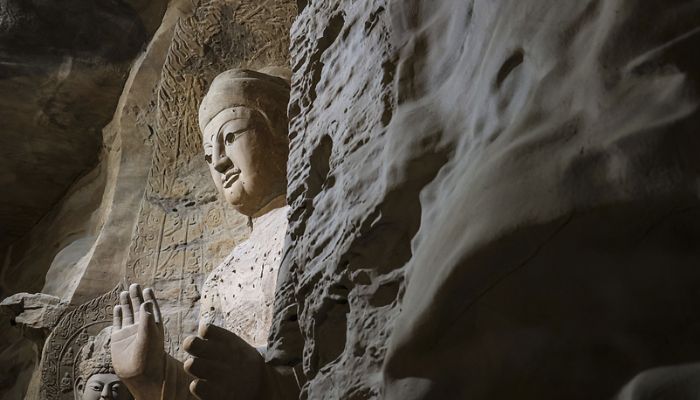
A close-up of the 3D-printed 9.93-meter Amitabha Buddha in cave 3. (Photo credit: CFP via Getty Image)
The Reproduction of the Caves: How and Why?
The 3D printed reproduction is the same appearance and scale of the original cave. The copy is 17.9 meters tall by 13.6 meters wide, while the main Buddha stands at 9.93 meters tall.
More from the desk
Six other notes from the rest of the bench.
 MaterialsWhich Innovative Materials Were Unveiled at Formnext 2021?Materials are the cornerstone of additive manufacturing as they can truly make the difference when it comes to applications. Having materials with superior physical properties is what has allowed additive manufacturing to be increasingly used for end-use applications, whether the
 News#DAMM2020 will be the first global online conference on additive manufacturingEvents around additive manufacturing are crucial for the sector, allowing many players and users of the technology to exchange and discover the latest market trends and developments in additive manufacturing. Given the worldwide spread of COVID-19, 3D printing events have…
 Applications3D Printing Allowed One Youtuber to Perform Surgery on His Own Organs in Real TimeCan you imagine being able to perform an operation on your organs in real time? Though this might seem to be science fiction, thanks to additive manufacturing it may actually be possible, at least according to British youtuber Tom Scott.…
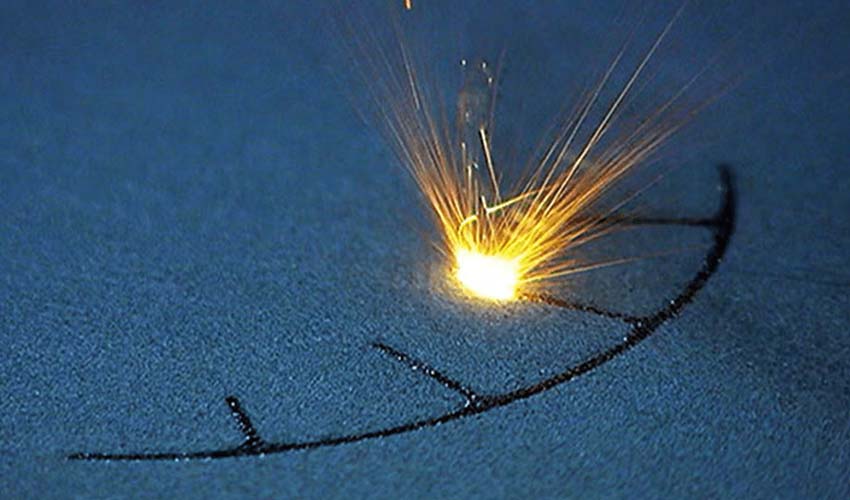 NewsWhat will the market for industrial lasers in the AM industry look like in the next years?In its latest report, the research firm SmarTech Analysis identifies the economic opportunities industrial lasers bring to the 3D printing and AM market. In fact, the industry of lasers has opportunities in established technologies, notably SLA (Stereolithography) and PBF (Powder
 PrintersThe J5 Dentajet: the New 3D Printer from Stratasys for the Dental SectorAs a global figure in the 3D printing industry, Stratasys needs no introduction. In early March, this Israeli-American firm unveiled its brand new machine: the J5 DentaJet. Designed to meet the demands of dental solutions, the 3D printer is based…
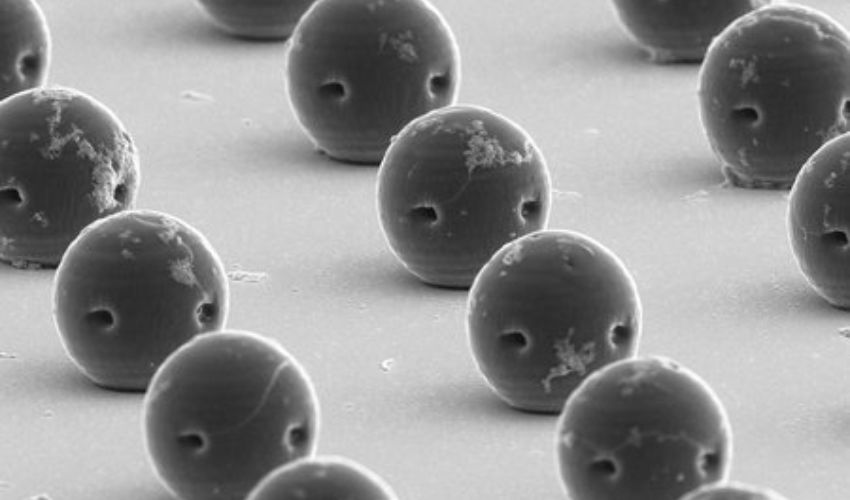 Applications3D Printed Microrobots Successfully Administer Targeted Drug Delivery3D printing has been revolutionizing medicine for years: from 3D-printed custom drugs to bioprinted replicas of human tissue, the technology promises to change how treatments are administered, offering an unprecedented level of personalization. Now, researchers at Caltech have mi