News
3D Printing Meets Tradition: A Look at the Bauhaus University Weimar
3D printing is already finding numerous applications in traditionally craft-based and artistic fields. At the intersection of design, technology, and innovation, it is playing an increasingly important role in creative disciplines, including, of course, higher education of those
- 3 min read
- News
- Six more stories
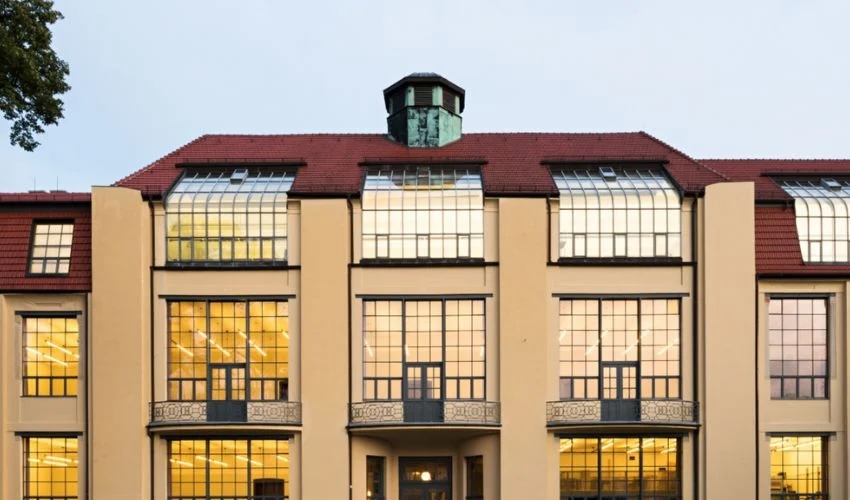
3D printing is already finding numerous applications in traditionally craft-based and artistic fields. At the intersection of design, technology, and innovation, it is playing an increasingly important role in creative disciplines, including, of course, higher education of those disciplines. The Bauhaus University Weimar, with its long-standing tradition of uniting art, design, architecture, and engineering, offers an ideal environment for exploring and advancing the potential of this technology. Students and researchers use 3D printing not only in design practice but also to develop new materials, sustainable building methods, and interdisciplinary projects. We spoke with professors and lecturers from various research areas at Bauhaus University Weimar, who showed us how additive manufacturing can be applied within such a historic academic institution. From creative discussions about design philosophies to practical applications in construction and materials science, this article offers a glimpse into the university and the possibilities of 3D printing technologies.
The founding of the historical Bauhaus took place during a time of major social and political change, with the aim of harnessing the potential of rapid industrialization. A strong affinity for technology and the integration of artistic and technical innovation have always been part of the Bauhaus tradition. In this article, you will gain a contemporary look at the work being done at Bauhaus University Weimar. Faculty members from Architecture and the Built Environment as well as Art and Design share their expertise and show how 3D printing is shaping their teaching and research.

Junior Professor Dr.-Ing. Luise Göbel leads the ‘NanoMatFuture’ research group for the project StimuCrete, which is funded by the German Federal Ministry of Education and Research (BMBF) (Credit: Bauhaus University Weimar).
Materials Mechanics, Design Theory, and Design Research
The university is internationally recognized for its distinctive design education, but disciplines such as architecture and materials science also play an important role in Weimar. Junior Professor Dr.-Ing. Luise Göbel, who holds the chair in Materials Mechanics, focuses on sustainable and digital building practices. She has been working with 3D printing for nearly a decade, and since then the technology has remained a constant focus of her work. According to Prof. Göbel, 3D printing holds significant potential for innovation in the construction industry, as well as strong scientific relevance within her field. She describes its impact as having “enormous resonance in the scientific community,” and it has long been a core part of her own research. She highlights in particular its ability to produce quick demonstrations, custom components, and prototypes: “[With 3D printing] we can also test geometries that we later want to implement using large-scale concrete printers (…). In that sense, its influence on work processes is truly substantial.”
More from the desk
Six other notes from the rest of the bench.
 Guides3D Printed Engines: Industry Projects and Miniature ModelsThe term engine, according to the Oxford English Dictionary, simply means ‘a machine with moving parts that converts power into motion’. With such a widely-encompassing definition, this term can be applied to any number of different sectors and applications, and…
 NewsTop 5 Videos of the Week: How XYZbag is Designing the Future of FashionGet ready for the top 5 videos of the week that will take you on an exhilarating journey through the world of 3D printing! First up, we have an impactful interview with Annalisa Nicola, founder of XYZbag, as she shares…
 NewsBiohybrid Jellyfish to Push Boundaries of Deep-Sea ExplorationExploring the mysteries of the ocean depths has long been an irresistible challenge for scientists. Like the vastness of space, the ocean remains largely uncharted territory, with its depths holding valuable information that could provide important insights into our planet’
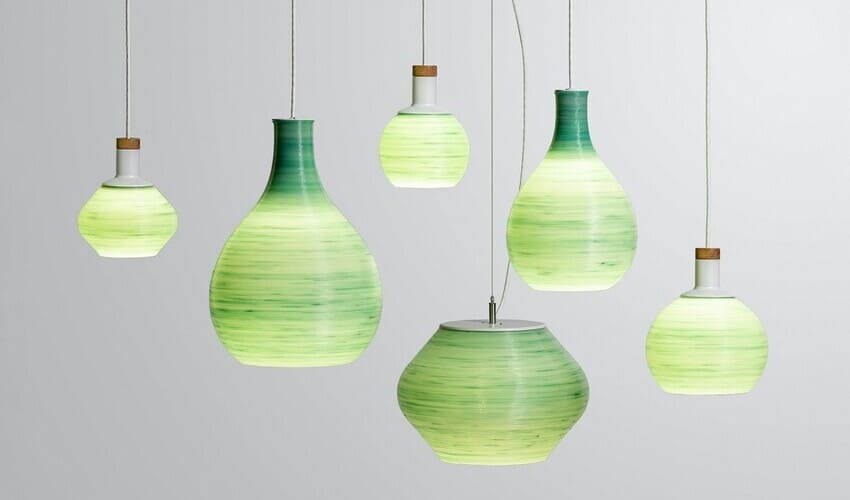 MaterialsLightArt 3D Prints Impressive Lights From Recycled Ocean PlasticFollowing the Stone Age, the Bronze Age, and the Iron Age, we find ourselves in the Plastic Age. In the thought-provoking 2006 documentary “Plastic Planet,” director Werner Boote examines the pervasive presence of plastic in all aspects of our lives.…
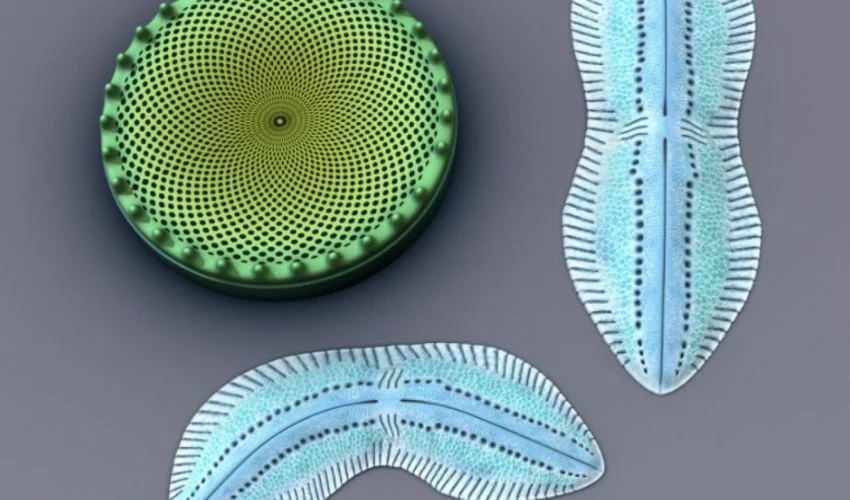 MaterialsA New Ultra-Strong 3D Printed Material From MIT and the University of GenoaIn recent years, 3D printing has revolutionized the way materials are designed and made, paving the way for extraordinary innovations. One of the most promising trends is the use of biomimicry: the imitation of nature’s structures and strategies to develop…
 ApplicationsCadillac Has Turned to 3D Printing for its New Luxury SedansThe American manufacturer of high-end, luxury vehicles, Cadillac, recently unveiled the Cadillac Celestiq 2024. The company notes that this latest car, which is priced starting at $300,000, is expected to be leagues apart from many of their other models. This…