Materials
A Closer Look at 3D Printing Materials: Ceramics and Organic Material
Over the years, additive manufacturing has grown exponentially. And currently there are many different 3D printing technologies that allow objects to be built depositing of layers one by one. At first, printing materials were scarce, but gradually and through research…
- 3 min read
- Materials
- Six more stories
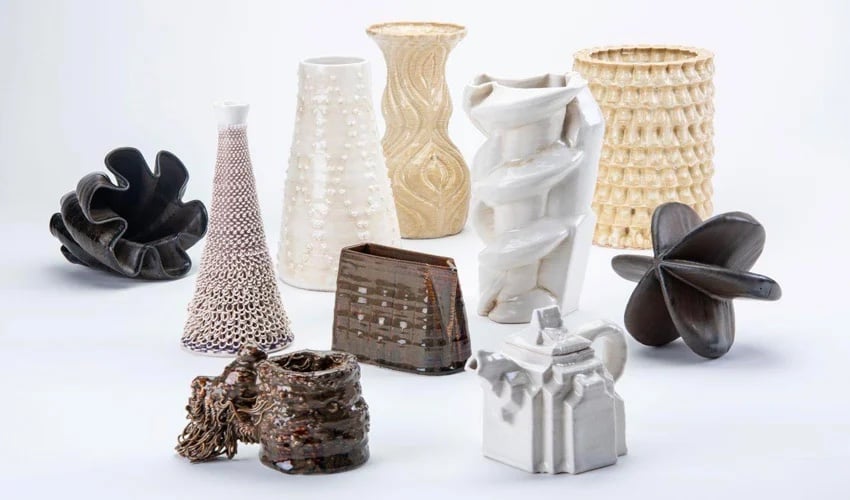
Over the years, additive manufacturing has grown exponentially. And currently there are many different 3D printing technologies that allow objects to be built depositing of layers one by one. At first, printing materials were scarce, but gradually and through research and development, it has been possible to expand the number and types of materials. The best known are certainly the polymers – PLA, ABS, resins, nylon and so on – and metals. However, today we want to draw your attention to about two lesser known but increasingly important material groups: ceramics and organic materials.
Ceramics
Ceramics
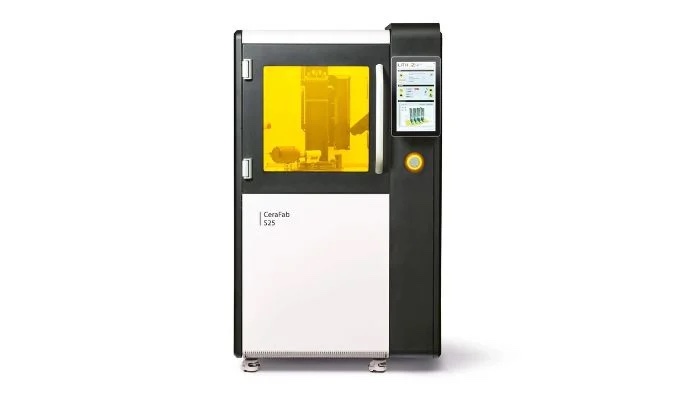
When we talk about ceramics, we often think of the more traditional ones like clay or porcelain. However, there are also more technical ceramics for advanced applications. Currently, there are two main groups of technical ceramics on the market today: oxides and non-oxides. The first group includes the metal oxides alumina, zirconia and silica, and the second group consists of materials such as silicon carbide, silicon boride or silicon nitride. The use of these materials is ideal for parts that require high temperature and wear resistance. A ceramic 3D printer can use different manufacturing processes, from powder bonding to stereolithography to extrusion. You can learn more about the different ceramic 3D printers on the market in our listing.
Sand
Sand could also be considered to fall under the ceramic umbrella. It is used to create complex parts that take advantage of the benefits of additive manufacturing, primarily for the manufacture of foundry molds. The use of this material reduces waste, saves energy and the manufacturing time is much shorter than other techniques. It can be used for mass production of finished products or for prototyping, with machines like ExOne’s S-Max Flex. In the video below, you can see an example where Sandhelden uses sand to create bathroom collections.
More from the desk
Six other notes from the rest of the bench.
 NewsWork Begins On World’s First 3D Printed Mosque3D printing is an emerging technology in the field of construction and building, offering a more efficient workflow and the ability to construct on command. We’ve seen houses, offices, resorts, but soon will see another first: the world’s only 3D…
 NewsWhen Every Minute Counts: 3D Scanning for RefineriesIn an oil or gas refinery, a leak, damaged pipe, or faulty valve can lead to colossal losses. The rule is simple: respond quickly, repair correctly, and avoid shutdown. But in an environment where corrosion, pressure, and hazardous substances are…
 ApplicationsNorsk Titanium supplies new parts for the construction of Boeing 787The American manufacturer Norsk Titanium US Inc, better known as Norsk, has started delivering new parts for the Boeing 787 Dreamliner. The Leonardo factory in Grottaglie, southern Italy, will receive the latest components from Norsk, one of the leaders in…
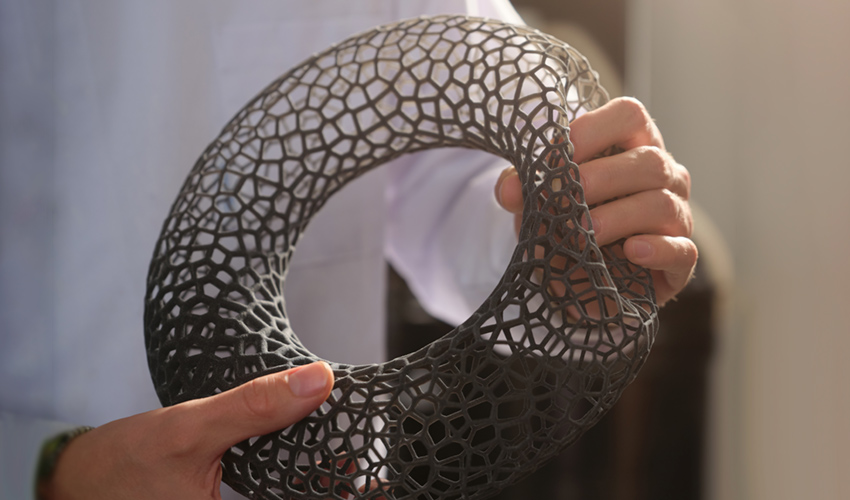 MaterialsBASF Talks Pioneering Innovations in Additive Manufacturing Materials at RAPID + TCT 2024It is known that RAPID + TCT stands as North America’s premier event for additive manufacturing, drawing a diverse range of companies from across the production chain into a single, dynamic show. In anticipation of this year’s show, taking place…
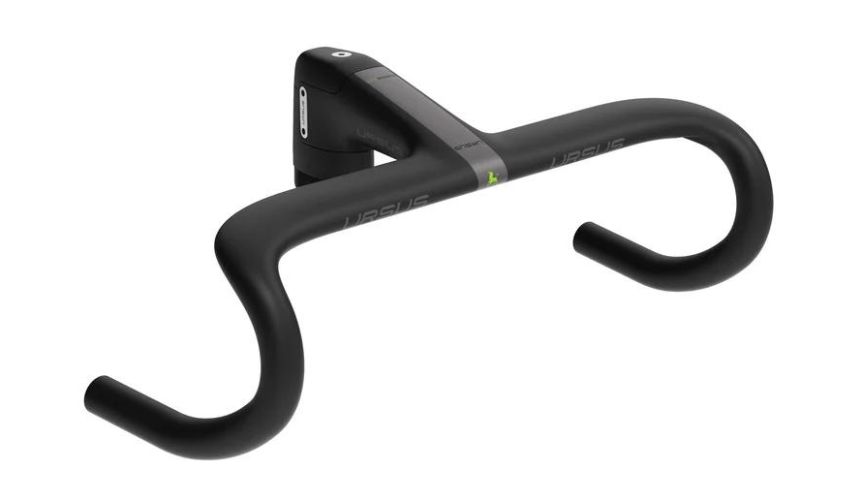 NewsWeerg and Ursus Worked Together to Make a Custom Handlebar With Additive Manufacturing3D printing is becoming increasingly popular in all industries where customization, design and performance meet. The ability to create complex structures as well as to use 3D printing for rapid prototyping and thus to test materials and properties quickly and…
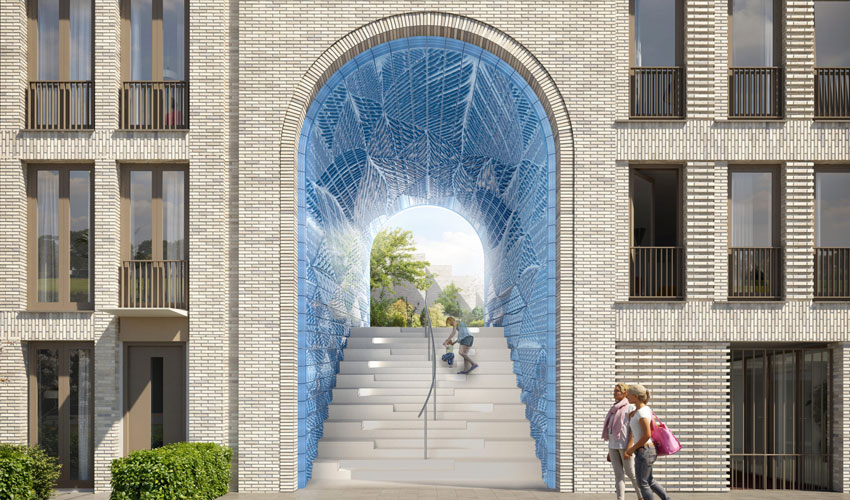 NewsStudio RAP will 3D print 4,000 ceramic tiles for a new architecture projectIn the Netherlands, more precisely in Delft, studio RAP is building an architectural structure that will incorporate 3D printed ceramic tiles. Called “New Delft Blue”, the project pays homage to Delft Blue, the famous Dutch porcelain, that has been invented…