News
Studio RAP will 3D print 4,000 ceramic tiles for a new architecture project
In the Netherlands, more precisely in Delft, studio RAP is building an architectural structure that will incorporate 3D printed ceramic tiles. Called “New Delft Blue”, the project pays homage to Delft Blue, the famous Dutch porcelain, that has been invented…
- 3 min read
- News
- Six more stories
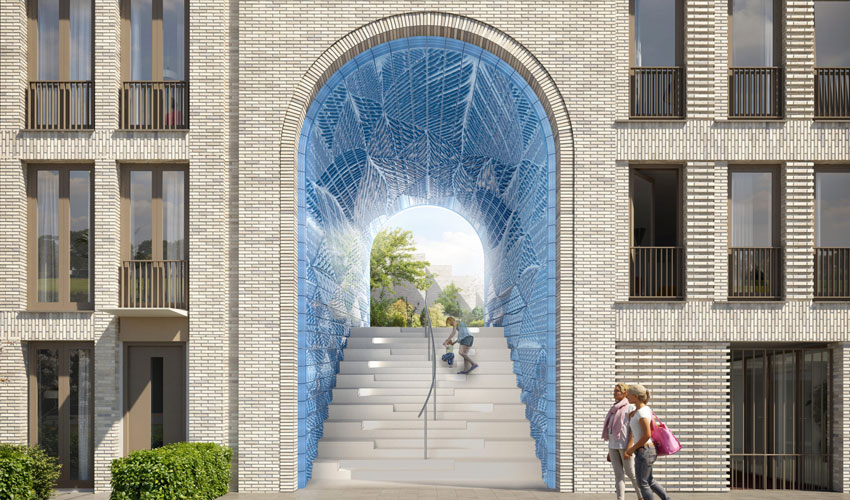
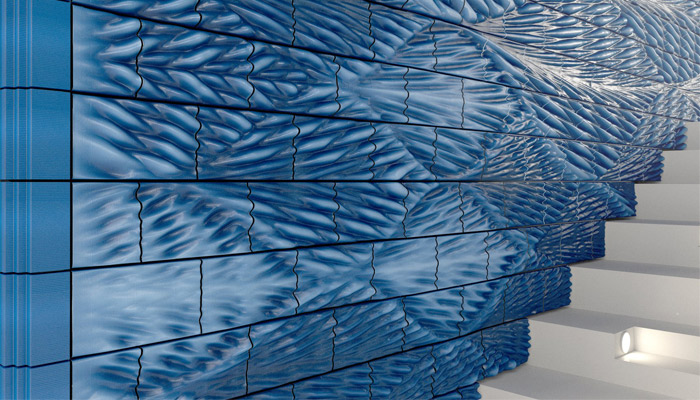
In the Netherlands, more precisely in Delft, studio RAP is building an architectural structure that will incorporate 3D printed ceramic tiles. Called “New Delft Blue”, the project pays homage to Delft Blue, the famous Dutch porcelain, that has been invented in the 17th century. The project combines clay 3D printing, computational design and artisanal glazing. The result is quite impressive, with 4,000 tiles to be integrated in the final structure!
Renowned for its finesse and quality, Delft Blue is a Dutch tradition that has left its mark on the country’s architecture and decoration. It is not surprising to see additive manufacturing interested in it and adding its touch in terms of creativity and complexity of form and geometry. One example is the 3D printed vases by Olivier van Herpt, who combined cobalt blue and clay and then extruded them to form, layer by layer, unique decorative elements. This time, studio RAP focuses on the architecture sector and uses 3D printing technology to cover the lush courtyard of a residential building.
The 3D printed ceramic tiles cover the gates of a new residential building (Image credits: Studio RAP)
The KUKA robotic arm is behind the 3D printing process of the ceramic tiles. Once the piece has hardened, it gets glazed -covered with blue and white layers that give it the final aesthetic touch. According to the team behind the project, the material chosen offers both high durability and low maintenance. It also specifies that it opted for an algorithmic approach for the 3D design of the tiles, which allowed it to take into account certain manufacturing constraints when generating the tile geometry (maximum overhang, width, height and depth, shrinkage constraints and internal support structure). The vault is 4 meters wide, 8 meters high and 12 meters deep, hence studio RAP is additively manufacturing 4,000 tiles in total.
More from the desk
Six other notes from the rest of the bench.
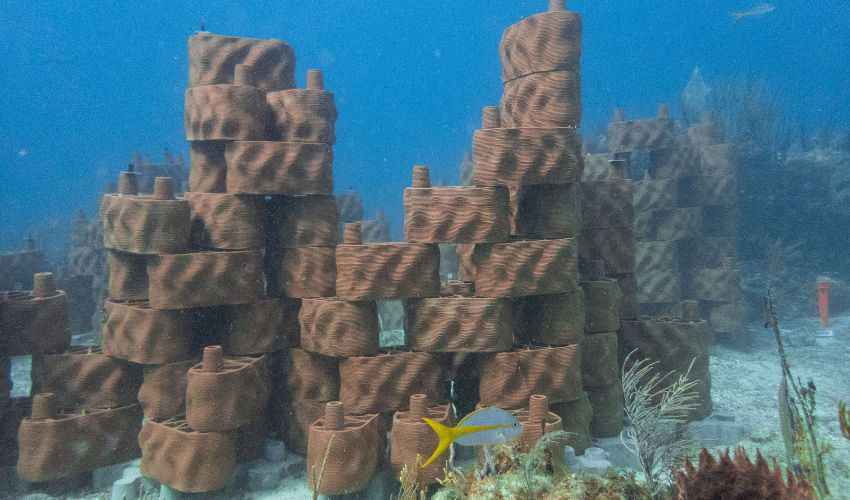 NewsVirgin Islands Turn to 3D Printing to Revive Coral ReefsOver the past few decades, we have increasingly seen the impact that climate change is having on our world. One of the first and clearest signs was the destruction of coral reefs worldwide, including the Great Barrier Reef, as NASA…
 GuidesIN(3D)USTRY From Needs to Solutions 2017: Our interview before Industry WeekAhead of the impending second IN(3D)USTRY From Needs to Solutions Industry Week in Barcelona on October 3-5, we caught up with organizer Miquel Serrano to find out more about this exciting event. IN(3D)USTRY From Needs to Solutions is a week…
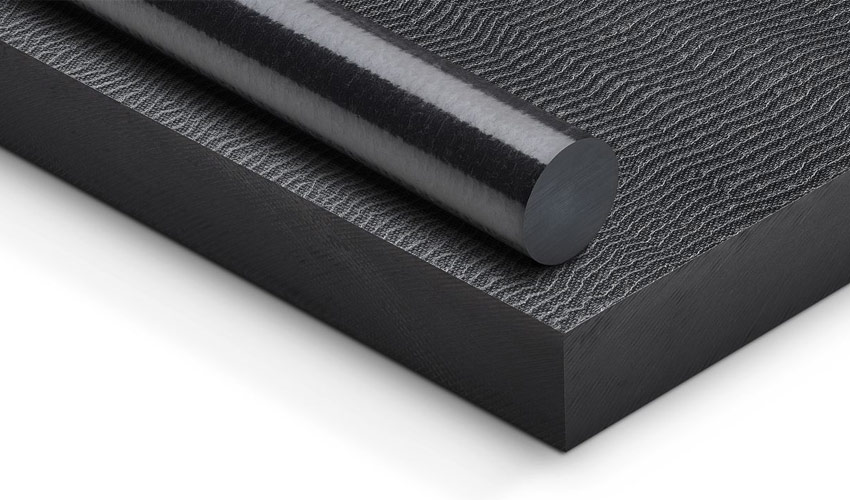 MaterialsChinese Study Explores the Advantages of Carbon Fiber Reinforced PEEK With IntamsysResearchers in China are exploring the power of short carbon fibers combined with high performance materials like PEEK using the most affordable 3D printing technology, FDM. Outlining their results in “Flexural Properties and Fracture Behavior of CF/PEEK in Orthogonal Building&he
 NewsWEBINAR: How to Earn an Additive Manufacturing Qualification in the Energy IndustryAre you interested in learning about the certification process for additive-manufactured metallic parts used in energy, oil & gas, and maritime applications? In 3Dnatives’ latest webinar we explored the DNV-ST-B203 standard and the prestigious AM manufacturer certificat
 NewsLEGO Joins Women in 3D Printing to Encourage More DiversitySpaceships, castles, cars… one thing is sure, LEGO has played a special role the childhood of many children! And while the brand is known for making children’s dreams come true, they also are working to improve the daily life of…
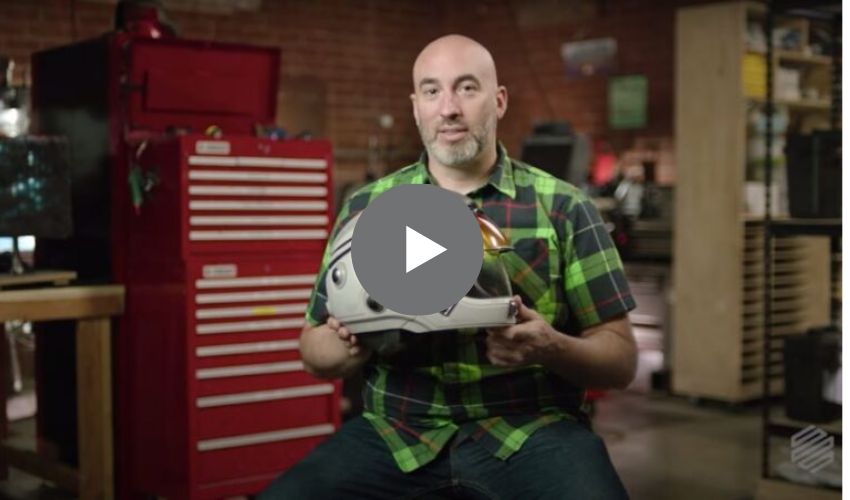 NewsTop 5: Markforged’s 3D Printed Movie PropsHello and welcome to our first Top 5 videos of 2023. We have a selection of exciting videos for you this week, from Markforged’s parts made for film, to Shining 3D and their scanning settings. There is also a video…