Applications
3D Printing Helps California Hypercar Smash Five Track Records
Czinger Vehicles recently broke records in California with its 3D printed hypercar known as the 21C. The car broke five lap records at some of the state’s most famous racetracks. The company dubbed the campaign “Gold Rush,” which saw the…
- 3 min read
- Applications
- Six more stories
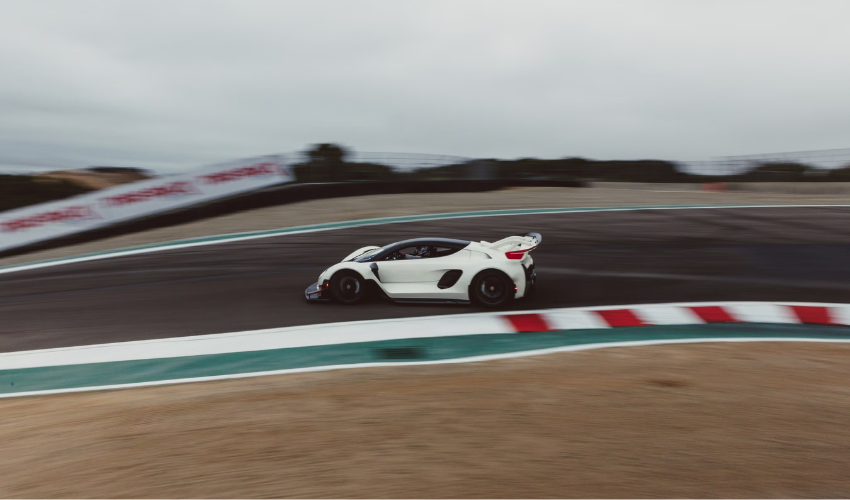
Czinger Vehicles recently broke records in California with its 3D printed hypercar known as the 21C. The car broke five lap records at some of the state’s most famous racetracks. The company dubbed the campaign “Gold Rush,” which saw the 21C set new benchmarks at Sonoma Raceway, Laguna Seca, Thunderhill Raceway, Willow Springs, and the Thermal Club all within just five days. This record-breaking streak showcases not just the power of the car’s twin-turbo V8 and hybrid system, but also the aerodynamic advantages of 3D printing within high-performance automotive engineering.
Czinger is based in Torrance, California, and has built its reputation on utilizing additive manufacturing to produce structural components that are lighter, stronger, and more aerodynamic than other traditional methods. The chassis of the 21C and many of its internal components are made using a proprietary 3D printing process that allows the designers to create organic and high-strength shapes for performance. This type of approach has allowed for the car to reduce weight and improve its rigidity on the track.

During the Gold Rush campaign, the 21C was driven from track to track instead of being transported by trailer. This meant it covered nearly 1,000 miles of public roads between its record-breaking attempts. The car itself clocked in at 1:48.30 at Thunderhill and 1:19.73 at Willow Springs. Additionally, in Laguna Seca, it beat its previous record by 0.36 seconds. These attempts were validated using a VBOX GNSS-based system, as well as through independent observers.
More from the desk
Six other notes from the rest of the bench.
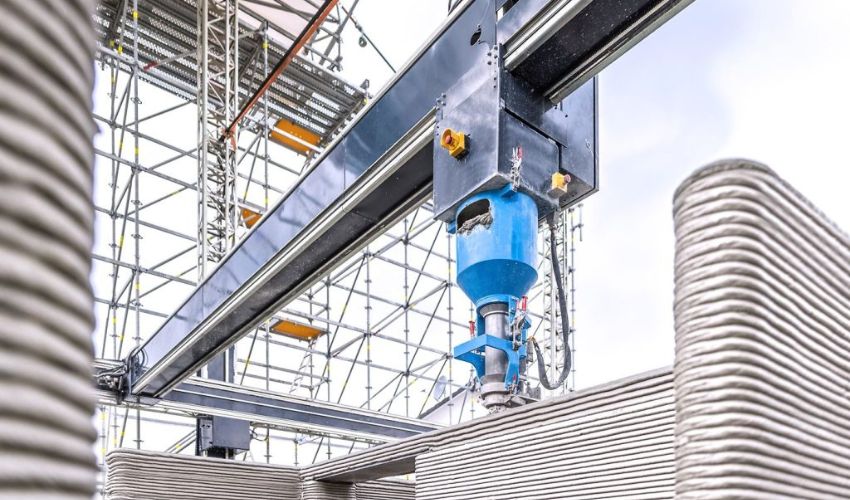 MaterialsHow Cement 3D Printing Can Contribute to DecarbonizationFor the past decades, the global population has been steadily increasing, which means that these people have to be accommodated somewhere. Consequently, with this increasing number, the amount of accommodation must also increase. Essential for its construction are cementitious pr
 NewsTop 5 Videos: The 3Dnatives Tour of 3DEXPERIENCE World 2023Hello everyone and welcome back to our top 5 3D printing videos of the week! As always, we have an exciting selection for you, starting with a 3Dnatives original from 3DEXPERIENCE World! Our team had a wander round to find…
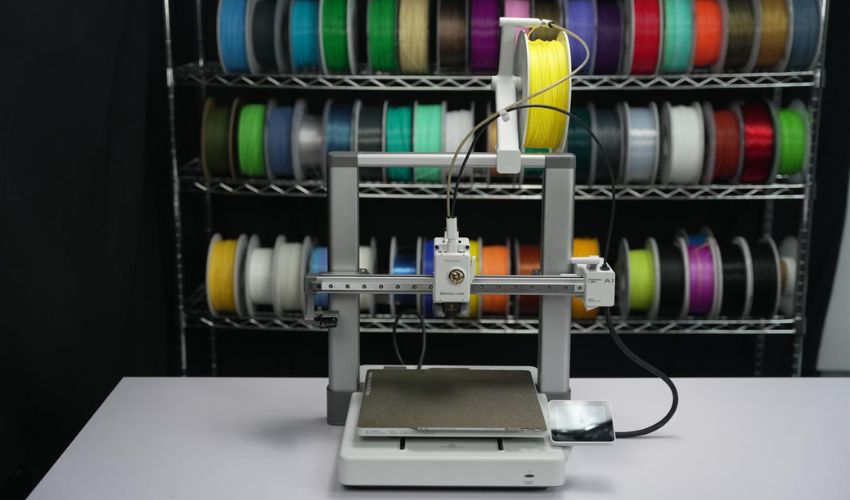 PrintersBambu Lab Announces Recall of Popular A1 3D PrinterIt was not so long ago that we were telling you about the anticipated launch of Bambu Lab’s new A1 3D printer. Designed to be the company’s first ever bed-slinger 3D printer, it prompted serious interest, along with the A1…
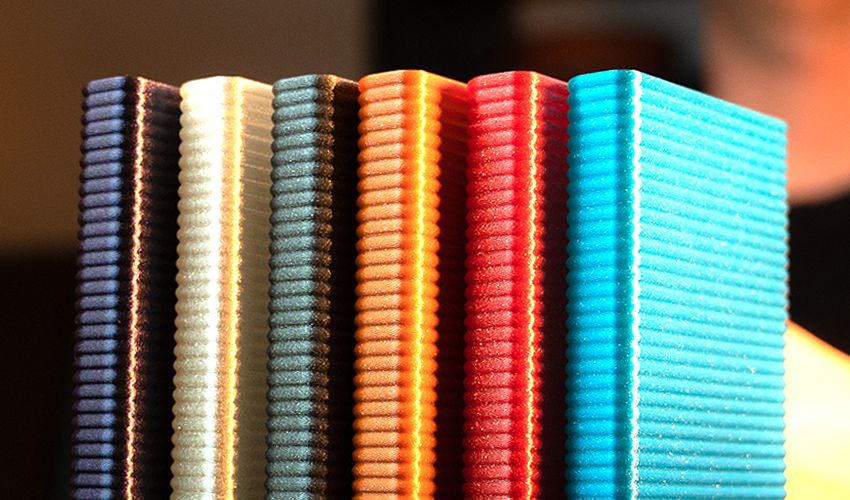 MaterialsFillamentum Opens Up a Rainbow of Possibilities With Newest PETGOne of the benefits of FDM printing is the wide range of filaments that are available (depending on the printer used). Even so, it goes without saying that one of the most popular is PETG, being one of the most…
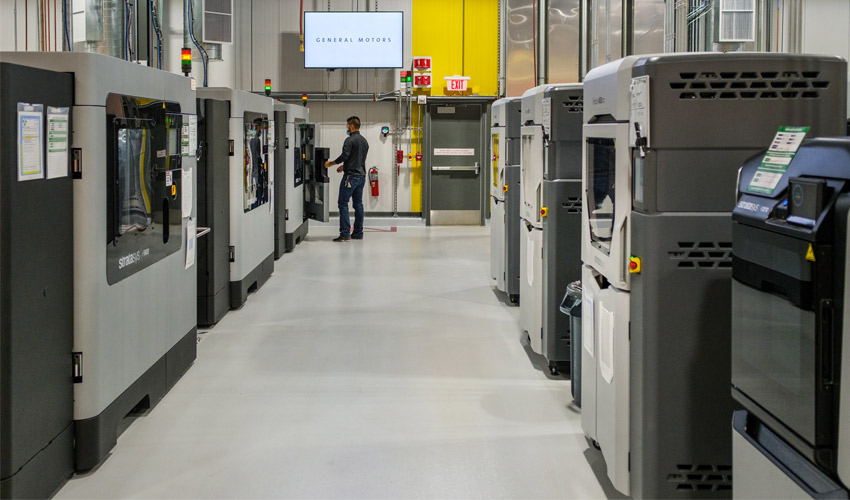 ApplicationsGeneral Motors opens new center dedicated to additive manufacturingIn December 2020, General Motors (GM) announced the opening of a center dedicated to additive manufacturing, joining initiatives spearheaded by BMW and Seat. The Additive Industrialization Center (AIC) is a 1,400 square meter (15,000-square-foot) space that will enable GM to&hell
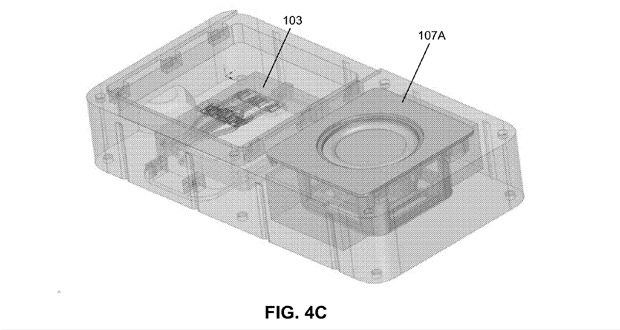 NewsFacebook files patent for new 3D printed deviceWith 2 billion users on Facebook, the website is constantly on the look out for the latest improvements to their platform, playing a pioneering role in new technologies, such as seen with their dabbling in Virtual Reality. Based on their…