Applications
3D Printing Creates Electrodes Tailored to Individual Brains
To record brain activity, neurosurgeons place sensors called bioelectrodes on the brain’s surface. These are thin sheets that capture the signals emitted by neurons. The problem is that they are manufactured with a one-size-fits-all design, intended to work for all…
- 3 min read
- Applications
- Six more stories
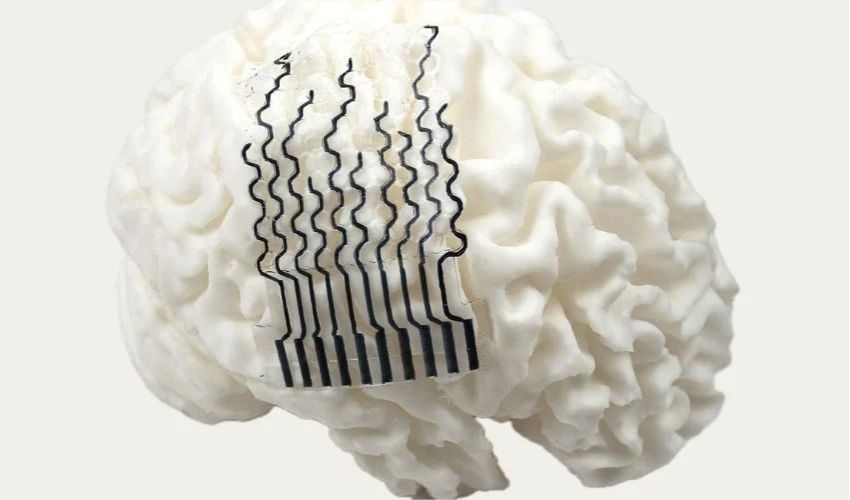
To record brain activity, neurosurgeons place sensors called bioelectrodes on the brain’s surface. These are thin sheets that capture the signals emitted by neurons. The problem is that they are manufactured with a one-size-fits-all design, intended to work for all patients equally, when in reality the specific arrangement of the cortex’s folds, gyri, and sulci varies from person to person depending on age, sex, weight, or height.
A team from Pennsylvania State University, led by Professor Tao Zhou, has just published an alternative in Advanced Materials: 3D-printed hydrogel bioelectrodes based on the patient’s own MRI scan.
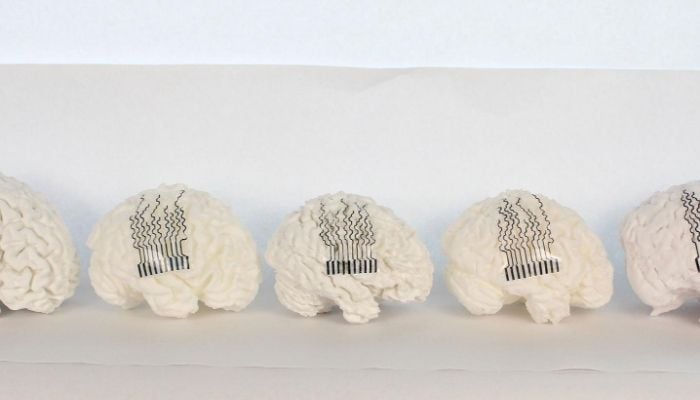
3D-printed electrodes that are perfectly adapted to the geometry of human brain models.
The workflow for creating the custom sensor is simpler than it seems. An MRI scan serves as the starting point. Based on this, a finite element analysis is performed—“a process that creates a detailed simulation of a person’s neural structure”—and a 3D model is reconstructed. Software then designs an electrode whose shape follows the specific ridges and grooves of that brain. Finally, that design is printed using direct ink writing.
More from the desk
Six other notes from the rest of the bench.
 NewsASTM International Stakes Claim on the Wohlers Report in Recent AcquisitionIn the midst of the excitement leading up to the Standards Forum at Formnext 2021, ASTM International announced the acquisition of Wohlers Associates. In its 35 years as a global industry leader in additive manufacturing, Wohlers Associates was able to…
 NewsTop 5 Videos: A 3D Printed Film StudioHello, and welcome to our top 5 3D printing videos of the week! As always, we have an exciting collection of videos for you, ranging from a designer’s vision of the world’s first 3D-printed film studio, to 3D printing’s place…
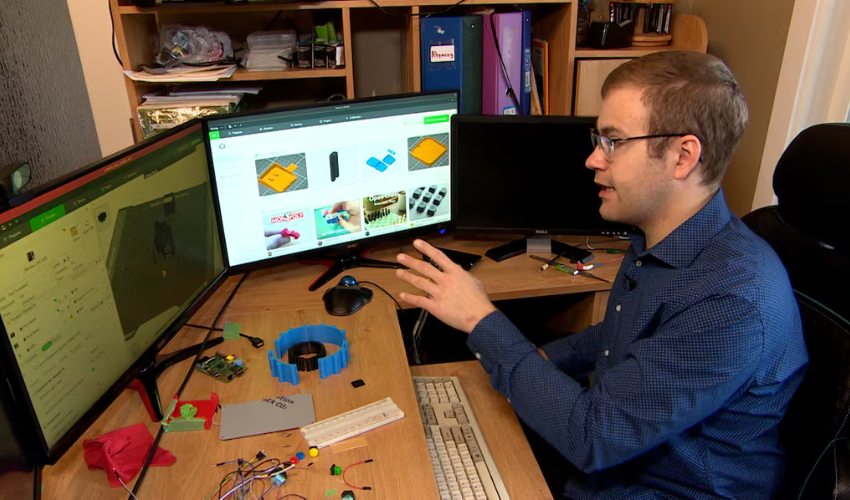 NewsCanadian Innovator Improves Accessibility Through 3D PrintingIn the city of Warman, Saskatchewan, located in Western Canada, one maker is using 3D printing technology to help create practical solutions that improve accessibility and independence for people with disabilities. After experiencing a life-altering car accident in 2020, Nicolas&
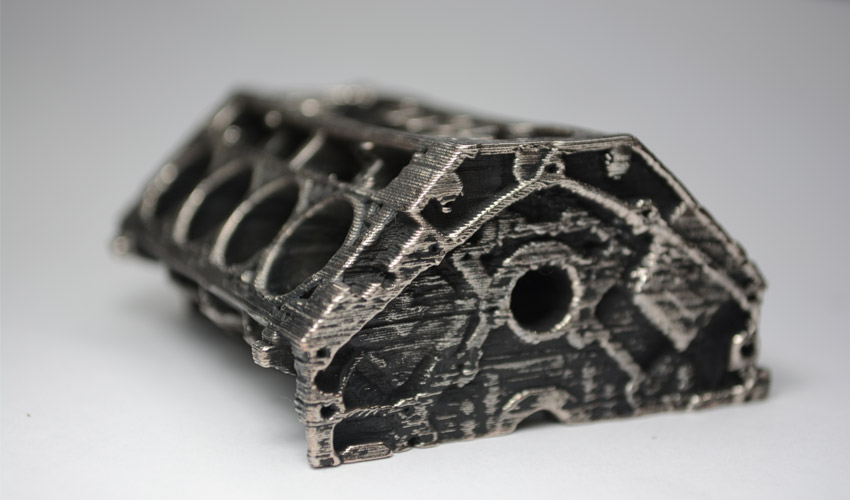 Guides#3DStartup: Virtual Foundry, 3D metal printing with FFF technologyThe Virtual Foundry is an American startup specialising in the development of materials for FDM / FFF technologies, one of its most prominent materials are its metal filaments: Filamet ™. This material is capable of creating pieces with domestic 3D printing technologies…
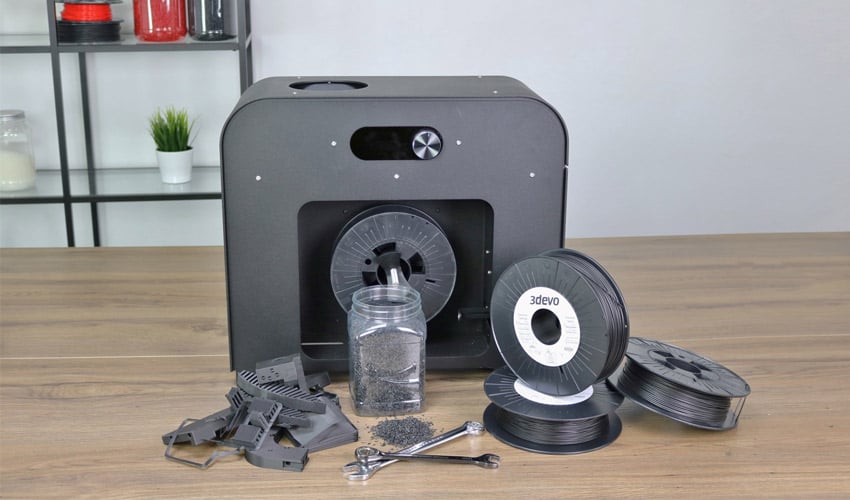 Materials#3DStartup: 3devo, recycling plastic to make 3D printing filament3devo is a Dutch startup created in 2016 that has developed three machines to recycle plastic and transform it into 3D printing filament. Therefore, it offers a real office solution based on the concept of a circular economy that enhances…
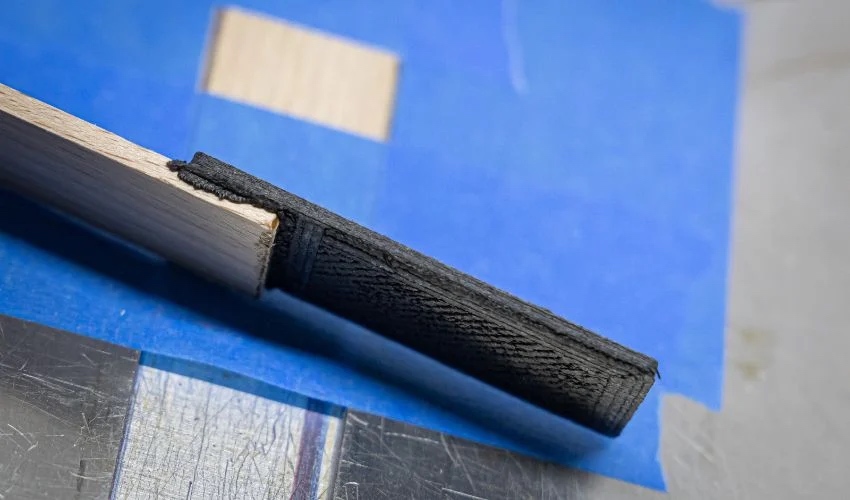 News3D Printing for Adhesive-Free Wood and Polymer BondingWhat if you could glue plastic to wood without adhesives or chemicals? That’s the goal of a team of researchers from Graz University of Technology in Austria. They used additive manufacturing to deposit different materials on wood, layer by layer,…