News
A 3D Printed Microscope Will Be Able to Detect Microplastics on the Sea Floor
A group of researchers has made a low-cost 3D printed microscope to detect microplastics in the seafloor. The project was carried out by the Microplastics Detection Assistant (MIDAS) team with the participation of the Polytechnic University of Cartagena, Navantia, S.M.E…
- 3 min read
- News
- Six more stories
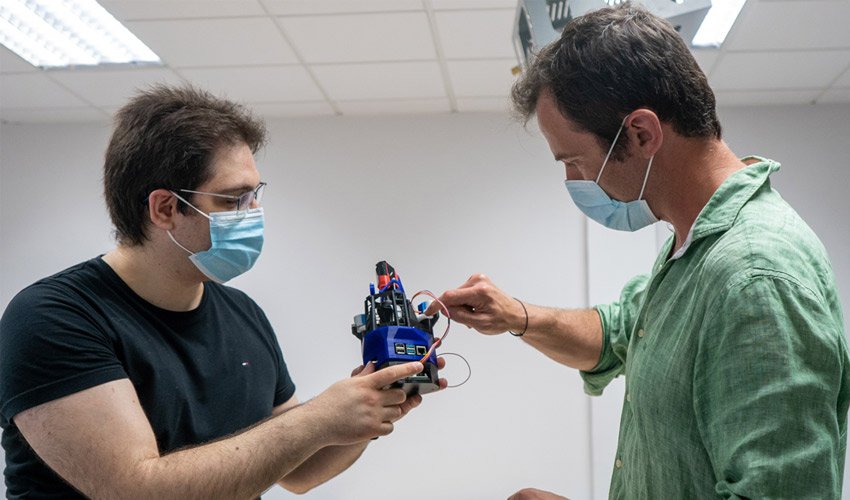
A group of researchers has made a low-cost 3D printed microscope to detect microplastics in the seafloor. The project was carried out by the Microplastics Detection Assistant (MIDAS) team with the participation of the Polytechnic University of Cartagena, Navantia, S.M.E and the Cartagena Institute of Oceanographic Research. These microplastics are small fragments smaller than 0.5 centimeters that pollute our oceans and beaches. Because of their size, their detection is more complicated and requires the use of a microscope. By using 3D printing, this group of researchers was able to develop a practical and accessible solution, in open-source to allow other teams to lead this ecological fight.
The seas and oceans have been suffering from plastic pollution for years and the statistics are certainly frightening. While some plastics are more easily visible on the surface, others are invisible to the naked eye and pose an additional challenge. Microplastics are sometimes 70 times smaller than the thickness of a human hair, and are ingested by plant and animal species of all sizes. Several initiatives on a global scale have been developed to better identify them and clean up the oceans, but patience is required as the pollution rate is so high. However, the project led by the MIDAS team is moving in this direction.
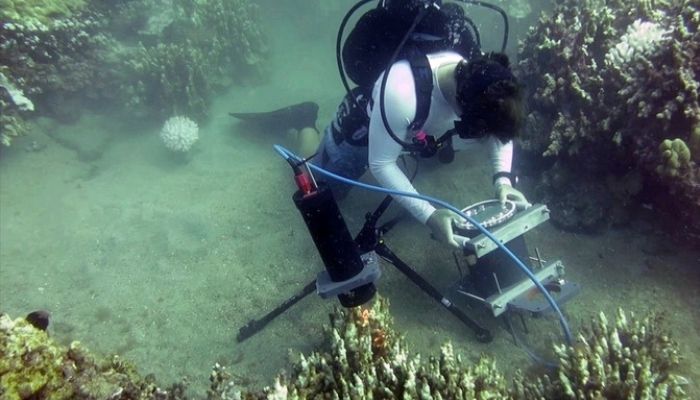
Photo Credits: Scripps Institution of Oceanography
3D Printed Microscope and Artificial Intelligence
The project for this 3D printed microscope began in May 2021. It was not only to produce a functional device, but also to develop a series of algorithms based on artificial intelligence, to facilitate the detection of microplastics. Ten months later, the first phase was reached and ended with the manufacture of the microscope and the first tests of taking images, according to the release published by the Polytechnic University of Cartagena. The researchers will soon begin to develop the algorithm that will facilitate the detection and finally collect the samples in the port of Cartagena. They have remained discreet about the printing technology used.
More from the desk
Six other notes from the rest of the bench.
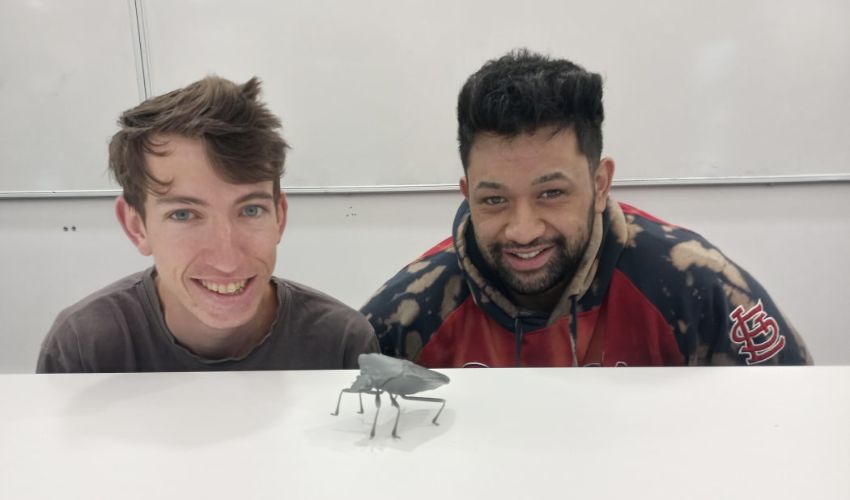 News3D Printed Bug Project Raises Awareness of Biosecurity Threat in New ZealandStudents in Canterbury, New Zealand, have 3D printed a brown marmorated stink bug (Halyomorpha halys) in an effort to raise awareness of the biosecurity threat posed to the country by the bug. They worked together on a Summer Student Programme,…
 NewsTop 5: A New 3D Printed Car Created by Lexus and Inspired by Black Panther: Wakanda ForeverAnother week has come to an end which means it is, of course, time for our weekly top 5 3D printing videos of the week! First, Lexus shows off its new 3D printed car, produced jointly with Carbon and adidas,…
 NewsDior is Determining the Right Skincare for its Customers Using AMIt is never easy to find the right product for the best skincare, especially considering the wide range of different products with different ingredients and active ingredients on the market. Suitable skincare has also long since ceased to be a…
 SoftwareMarkforged Cofounders Debut AI Company Backflip with $30 Million in Series A FundingArtificial intelligence is becoming an integral part of our daily lives. Its ability to optimize workflows, predict outcomes, and adapt in real-time is driving innovation across industries—including additive manufacturing. One of the most exciting developments in this space is th
 NewsICON Reveal Design for Quirky 3D Printed Texas Campground Hotel on 62 Acre SiteArt and design needs people who can push boundaries and have an eye for style and a nose for the latest up-and-coming technologies. More recently, everyone from fashion designers to artists have employed 3D printing to make unique pieces with…
 SoftwareYeggi, The Search Engine to Find 3D FilesIn 3D printing, it all starts with a 3D file sent to the 3D printer. Creating such a file can be difficult for a user who has no experience in modeling. That’s why they can go through platforms and marketplaces…