News
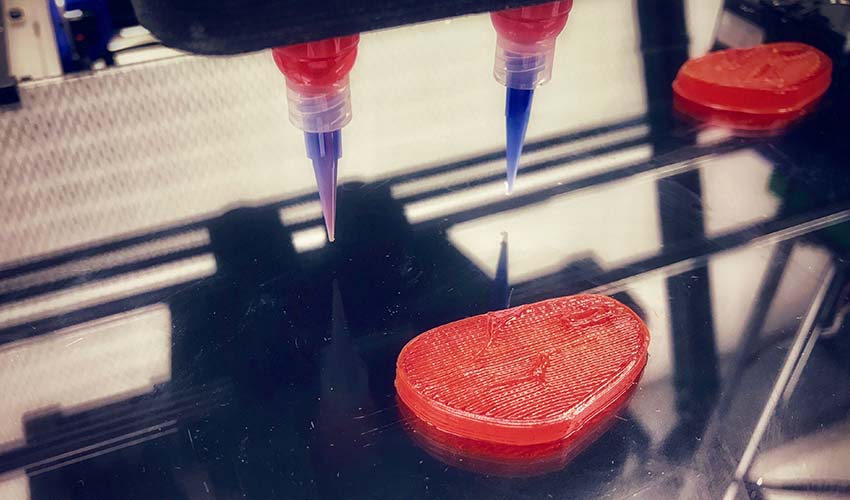
3D printed meat, is the future of meat meatless?
Livestock farming contributes significantly to global warming through releases of methane, a greenhouse gas 20 to 30 times more potent than carbon dioxide. It contributes more to greenhouse gas emissions than the global transportation sector and almost 30% of the…
- 3 min read
- News
- Six more stories
Livestock farming contributes significantly to global warming through releases of methane, a greenhouse gas 20 to 30 times more potent than carbon dioxide. It contributes more to greenhouse gas emissions than the global transportation sector and almost 30% of the planet’s ice-free surface is used for this purpose. It is the top contributor to deforestation, land degradation, water pollution and desertification. On top of this, the Food and Agriculture Organisation of the United Nations (FAO) has estimated that demand for meat will increase by 70% by 2050.
If these reasons are not enough to rethink our current consumption of meat, there is also the public health and animal welfare impact. Food contamination and antibiotic resistance are just two examples of issues arising from livestock farming. And finally, the conditions animals are raised in pose a serious ethical problem – in a year alone, it’s 56 billion land animals that are raised and slaughtered for food according to the FAO and their living conditions are for the most part extremely poor. Is there a solution to these threats? Can we explore different ways of producing meat for those who wish to consume it?
What is 3D printed meat?
One way to fight these environmental issues is to stop consuming meat, or at least as much as current rates. However, many people are not ready or willing to change their ways for reasons that go beyond the purpose of this article. Even though we have seen a shift in recent years, vegan and vegetarian populations only represent a minority in Western societies, anywhere between 1 and 10% in European countries, between 5 – 7% in the US and 9.5 % in Canada. For cultural reasons, countries such as India count a very large vegetarian population, estimated to represent between 30 and 40% of their total population. Meat substitutes represent an alternative for people who wish to continue eating meat but wouldn’t mind having a product that doesn’t come from an animal. Given this fact, what can we create with the technologies that exist today? Just as they have infiltrated and disrupted almost all sectors, 3D printing technologies can greatly benefit this industry and enable the production of a new meat category. 3D printed plant-based meat will be environmentally friendlier, customisable, more affordable and positive for animal welfare.
More from the desk
Six other notes from the rest of the bench.
 NewsWEBINAR: Low-Volume Rapid Injection Molding with 3D Printed MoldsInjection molding is a manufacturing process that allows for the design of large volumes of parts. The majority of plastic components that exist today are made using this technique. However, the production of a mold – most often metal –…
 NewsHow is Formlabs strengthening its presence in Europe?The American manufacturer Formlabs is one of the historical players in the 3D printing market, particularly in the stereolithography segment. Today, the company employs more than 500 people in 7 offices worldwide and has already produced more than 40 million…
 MaterialsSandvik Invests $25M in Metal 3D Printer PowdersOver the last year we saw a tremendous amount of activity in the metal 3D printing market, and 2018 is proving to be no exception. Sandvik, an engineering and tools group based in Sweden, have announced plans for the industry.…
 MaterialsScientists create healthy snacks from micro-algae 3D printingIn the food industry, 3D printing technologies are changing the way we produce and consume foods. They can help create analogues of meat products, recycle food waste, or customize the shape and properties of dishes for example. Most people being…
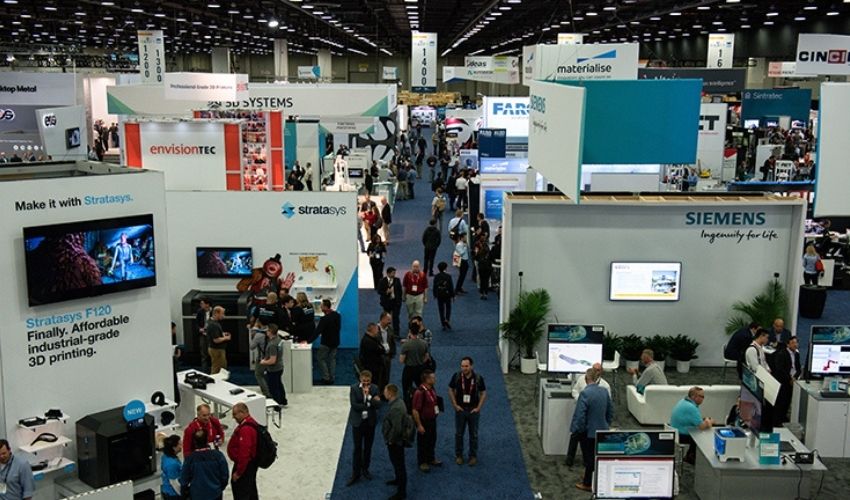 NewsRapid + TCT 2021: A Round-Up of the News from the EventAfter over a year of exclusively virtual events, slowly in-person 3D printing conferences are coming back. The most recent one was Rapid + TCT which took place this week (September 13-15th, 2021) in Chicago. Rapid + TCT is one of…
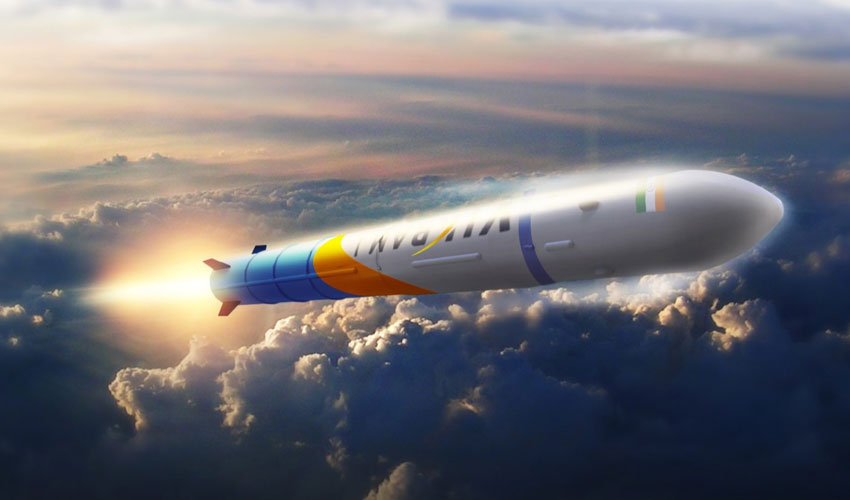 NewsFully 3D printed rocket engine unveiled by Skyroot AerospaceThe Indian startup Skyroot Aerospace has just unveiled its first fully 3D printed rocket engine. Named Dhawan-I after the famous engineer Dr. Satish Dhawan, it is a cryogenic engine – it uses gases kept in a liquid state at low…