Materials
3D Printed Infant Masks Are a Success Story for Silicone in the Medical Sector
The use of additive manufacturing for the production of medical devices has increased rapidly in recent years. While the global market for 3D printing in healthcare reached a volume of $2 billion in 2021, it will double by 2026 to…
- 3 min read
- Materials
- Six more stories
The use of additive manufacturing for the production of medical devices has increased rapidly in recent years. While the global market for 3D printing in healthcare reached a volume of $2 billion in 2021, it will double by 2026 to around $4 billion, according to forecasts by Global Data. Along with this rapid growth, the possibilities of the applications are increasing, as well as the demands on the materials used. Due to the diversity of applications of medical 3D printing in the various fields of orthopedics, dentistry, surgery, etc., a wide variety of materials are used, which must meet medical requirements while also having the ability to be processed for 3D printing. One material that is increasing in medical use is silicone.
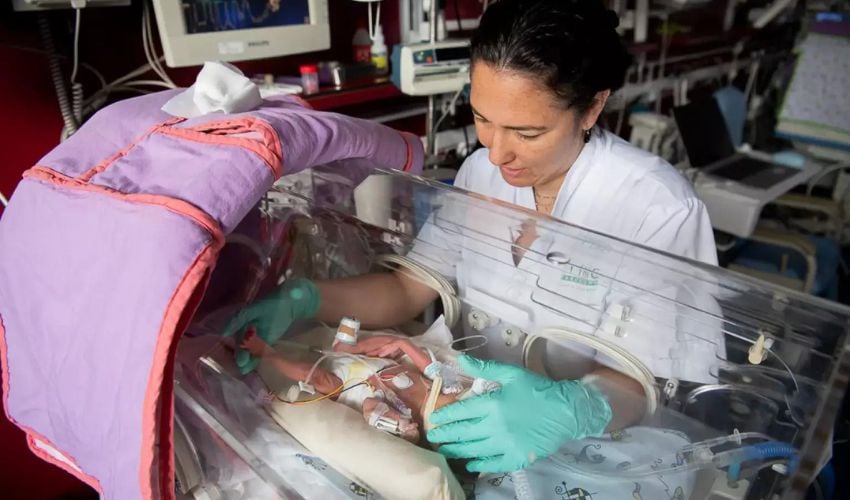
Silicone in particular has a number of properties that are valuable in the medical field. The rising silicone AM market underscores the trend of increased demand across the industries. In 2021, the total market value was estimated at $1.5 billion and is expected to register a compound annual growth rate of 19.9% through 2028. As mentioned earlier, this advance can also be seen in its increased use in medical applications. Silicone is biocompatible, UV-resistant, thermally stable, it can be sterilized, and it is easily customizable to different individuals through 3D printing. For example, the company Elkem Silicones and the Hospital Clínic of the University of Barcelona are working on a proof-of-concept project, using 3D-printed silicone medical respiratory masks to treat premature infants.
Silicone 3D printing is taking on an increasingly important role in medicine. (Image: Elkem)
Around 70% of premature babies require respiratory support. Non-invasive ventilation techniques such as a CPAP (Continuous Positive Airway Pressure) device, which delivers air pressure to a connected mask through a tube, are often used. These masks, however, are not ideal for babies because their faces are smaller and shaped differently than those of adults. What’s more, due to the rapid growth of infants, they also need new masks on a regular basis. 3D printing offers the advantage here that the masks can be customized and also regularly reprinted. 3D printing makes it possible to print cavities, unconventional geometries, and the ability to change designs iteratively. One crucial point why Elkem Silicones and Hospital Clínic Barcelona are turning to 3D-printed silicone masks is that despite their wide range of manufacturers, sizes and shapes, traditionally manufactured generic medical products cannot fit everyone.
More from the desk
Six other notes from the rest of the bench.
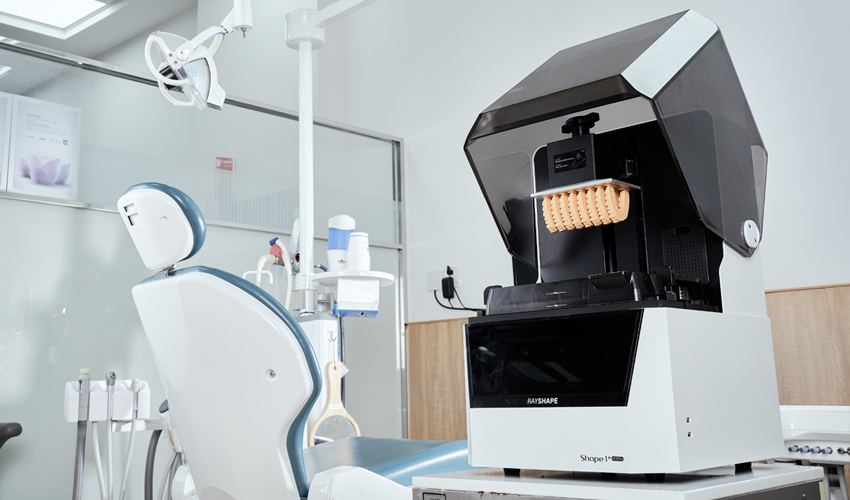 NewsRAYSHAPE Arrives in Europe, Expanding its 3D Printer Partners and ResellersAdditive manufacturing is an increasingly widespread technology worldwide and one of the continents experiencing considerable growth is Europe. The greatest European demand for 3D printing comes from small and medium-sized companies looking not only for prototyping, but also for
 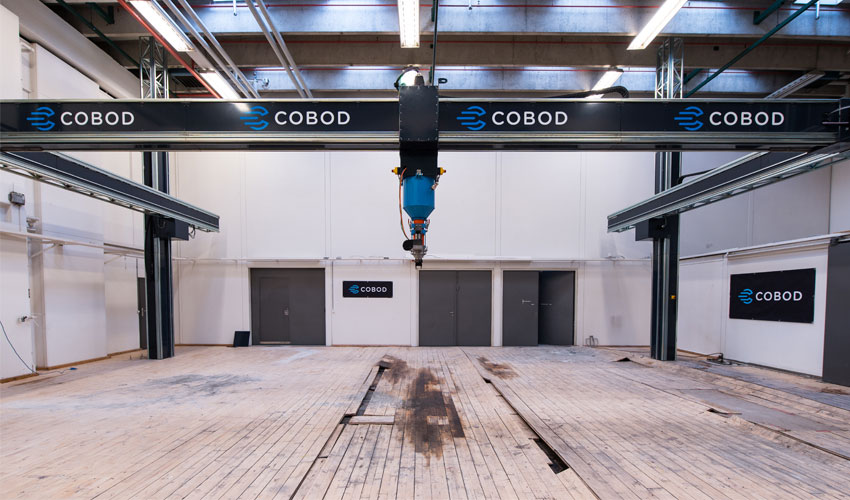 News3D Construction Printer from COBOD is Headed to Saudi ArabiaThe Danish manufacturer, COBOD International has just sold one of its 3D construction printers, the BOD2 to Saudi Arabia. More precisely, to the Saudi Arabian construction company Elite for Construction & Development Co. The BOD2 is an upgraded and improved…
 NewsJEOL Talks Metal Alloy Trends in Additive Manufacturing at RAPID + TCT 2025This week, we are attending RAPID + TCT 2025, the largest and most important event for industrial 3D printing and additive manufacturing in North America. And as part of that, we are trying to get a better idea of what…
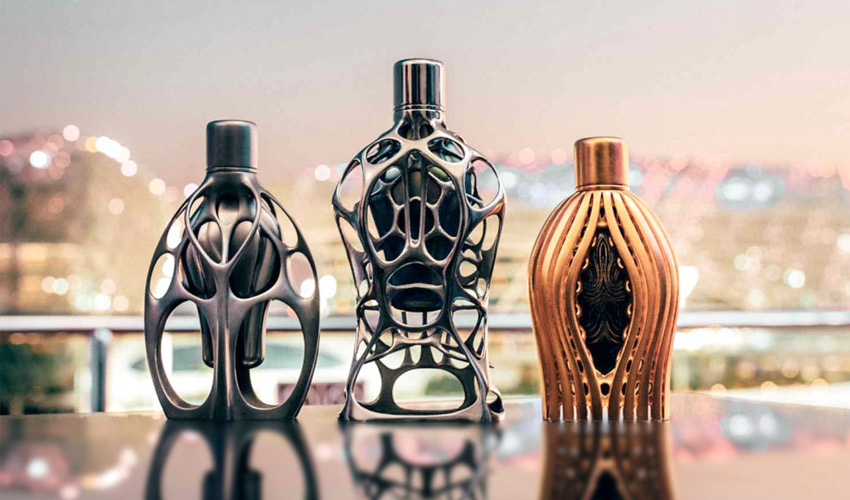 NewsMetal 3D printed perfume bottles by Formula 1When Formula 1 meets designer Ross Lovegrove and Designer Parfums, you get 3D printed perfume bottles! The brand wanted to launch its first line of fragrances, F1 Fragance to remind people of the dynamism, passion and pleasure that exist around…
 MaterialsMoon Dust and Lasers: The Technology That Could Build the Next Lunar BaseOn the Moon, nothing is easy to replace. Every tool, spare part and structural component must be launched from Earth, with a very high price tag. (There’s no Amazon Prime on the Moon.) The solution, researchers from The Ohio State…
 NewsSmartpod, 3D Printed Mobile Workspaces to Work From Home AnywhereCalifornia-based design studio Denizen has re-imagined flexible workspaces with its new Smartpod — a 3D printed mobile office that can be installed anywhere. The structures are capsule-like and integrate all the equipment necessary to make work from anywhere possible, even&hellip