News
Sandvik unveiled first-ever 3D printed diamond composite
At RAPID + TCT last week, Sandvik unveiled the first ever 3D printed diamond composite. Recently, using SLA technology the company can say it has added 3D printed diamond material to their portfolio of materials. Quite recently the company was…
- 3 min read
- News
- Six more stories
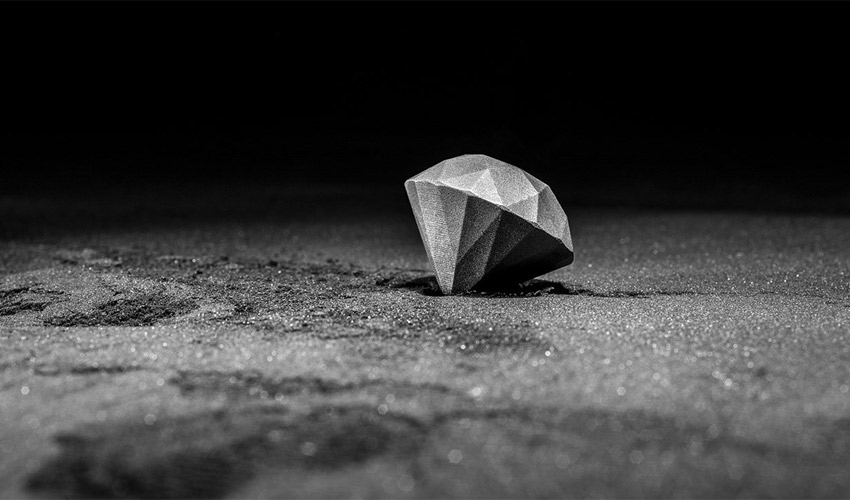
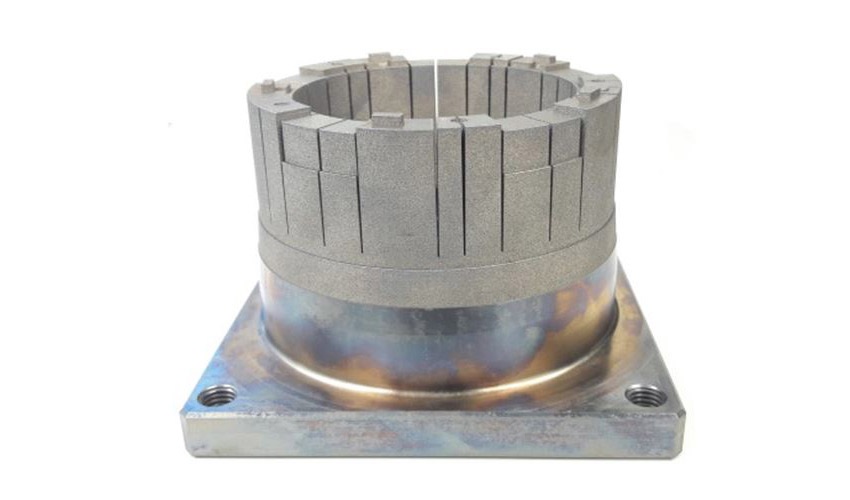
At RAPID + TCT last week, Sandvik unveiled the first ever 3D printed diamond composite. Recently, using SLA technology the company can say it has added 3D printed diamond material to their portfolio of materials. Quite recently the company was involved in creating an unsmashable guitar using their expertise in metal additive manufacturing. This time around, they have involved themselves in a completely different venture: 3D printing diamond. The diamond composite does not sparkle but it is useful for a range of industrial applications. Diamond is extremely hard, harder than anything else you can find in nature, therefore it is a key component in many wear resistant tools from mining and drilling to machining and also medical implants.
Since 1953, it has been possible to produce synthetic diamond. What does 3D printing add? With the use of additive manufacturing, it is possible to form complex shapes of the diamond composite. Something almost impossible when producing synthetic diamond. The realm of applications has therefore exploded, Mikael Schuisky, Head of R&D and Operations at Sandvik AM further explains, “We now have the ability to create strong diamond composites in very complex shapes through additive manufacturing, which fundamentally will change the way industries will be able to use this material. As of now, the only limit to how this super-hard material can be shaped and used is down to the designer’s imagination.”
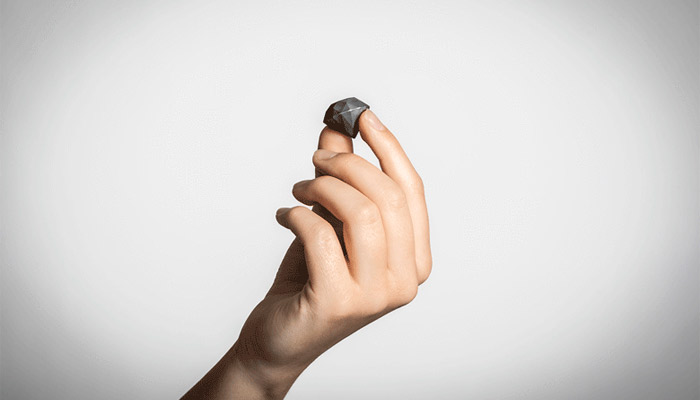
Photo Credits: Sandvik
It should be noted that Sandvik’s newest material remains a composite. This means that most of the material is diamond but in order to make it printable and dense it needed to be cemented in a very hard matrix material. As a result, they were able to keep the most important physical properties of pure diamond. Susanne Norgren, Adjunct Professor in Applied Materials Science at Uppsala University explains, “Sandvik’s 3D printed diamond composite is a true innovation. It means that we can begin to use diamond in applications and shapes never conceived possible before. Just imagine what it could do to industries, when it is possible to print anything, in any shape – in diamond.”
More from the desk
Six other notes from the rest of the bench.
 NewsSIEMENS announces plans for a new online platform to bring additive manufacturing to a global scale3D printing is quickly becoming the go to technology for many companies and manufacturers around that world. That’s why it’s no surprise to hear that the Germany based company, Siemens has made an announcement at Hannover Messe 2017 of their plans…
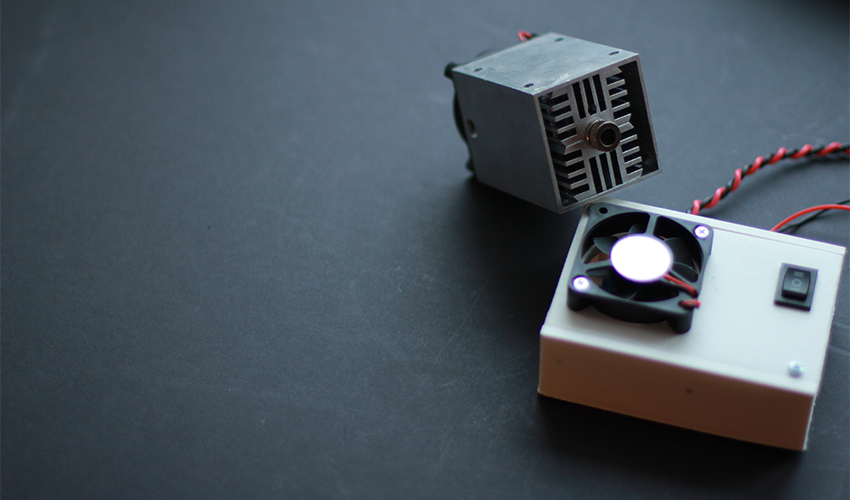 GuidesEndurance Lasers: Easy to install on your 3D printerThe Russian-American startup, Endurance Lasers, specialises in creating easy to install and use lasers and cutters. A tool to add something extra to your 3D printing by combining a 3D printer, cutter and laser engraver all into one machine. We have…
 News3D Printed Villa in the UABIn the United-Arab Emirates, MEET (Middle Eastern Engineering Technologies) just finished the construction of the MEET 3D Villa. The villa was printed in just 2 weeks in Sharjah, in the heart of SRTIP, with the help of the CyBe team’s…
 NewsADDITIV Aerospace will Take Place Tomorrow!On March 18th at 8AM EDT (1PM CET), ADDITIV Aerospace will open its doors to Aerospace professionals to discuss the applications for additive manufacturing (AM) in the sector. This 100% virtual event will be an ideal opportunity to learn how…
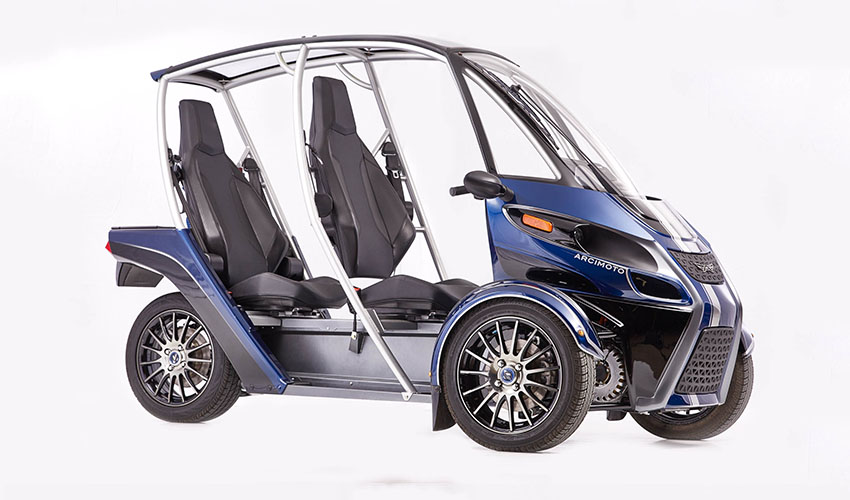 NewsBoosting performance of the Fun Utility Vehicle thanks to 3D printingIn industrial sectors such as automotive, additive manufacturing has an important role to play in designing optimized parts that improve vehicles’ performance. Thanks to design for additive manufacturing techniques, lightweight parts that don’t lose in strength can be fabricated.
 PrintersGF Machining Solutions facilitates the manufacture of hybrid partsIn the manufacturing industry, different production methods are used depending on the type of part created. While additive manufacturing has proven its worth, whether for rapid prototyping or end-use part applications, it is still a method that is often complementary…