News
3D Printed Decoy Encourages Nesting of Endangered Seabird
In late August, a fuzzy kittiwake chick hatched in an artificial nesting structure off the coast of Suffolk, England. Its neighbors? 3D printed kittiwake decoys. Since 2020, renewable energy company Ørsted has been working on the Hornsea Project, an initiative…
- 3 min read
- News
- Six more stories
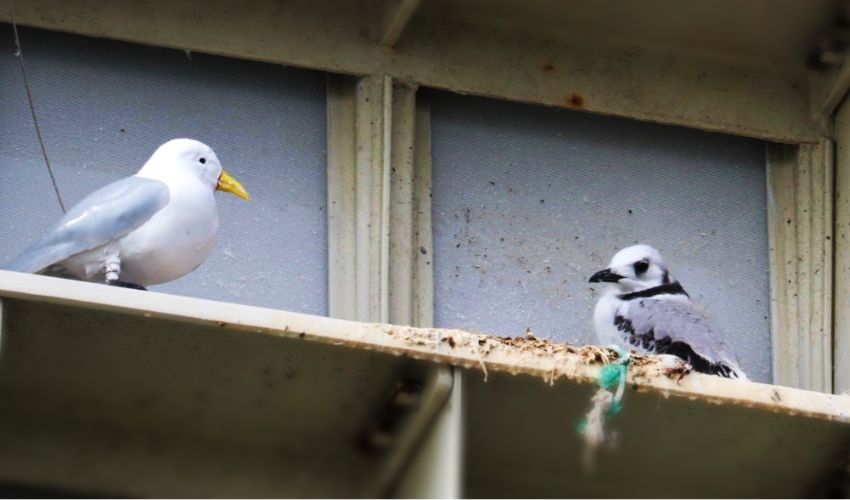
In late August, a fuzzy kittiwake chick hatched in an artificial nesting structure off the coast of Suffolk, England. Its neighbors? 3D printed kittiwake decoys.
Since 2020, renewable energy company Ørsted has been working on the Hornsea Project, an initiative to build four offshore wind farms in the UK’s North Sea. The size of these wind farms and their distance from the coast is record-breaking, and they have an incredible capacity to produce clean energy. The third of these farms, aptly named Hornsea 3, will be the site of the single largest commercial offshore wind farm in the world. It’s estimated to be complete by 2027, and once operational, Hornsea 3 will have a generating capacity of 2.9 GW—enough to power more than 3 million UK homes.
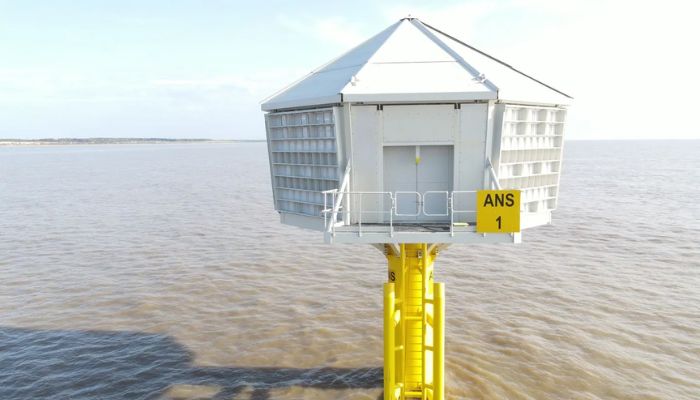
One of the artificial nesting structures (photo credit: Ørsted)
Hornsea wind farms are being implemented on the same coastline that’s home to kittiwakes, a vulnerable seabird species whose population is declining. Researchers attribute this decline to climate change and prey shortage, but to mitigate any additional impact the Hornsea wind farm might have, Ørsted was required to build three offshore artificial nesting structures to support the endangered birds. The nesting structures, while built in connection with Hornsea 3, are located far from the site. Each structure can accommodate around 500 breeding pairs, and on two of the three nesting structures, researchers placed decoy kittiwakes to encourage real birds to visit.
More from the desk
Six other notes from the rest of the bench.
 NewsThe First 3D-Printed Plastic House in the Southern HemisphereA house made of plastic? We’ll admit, it’s a rather surprising concept, especially at a time when society is trying to reduce plastic consumption. But in this case, the material being used is recycled plastic. So what exactly is this…
 NewsSolving the Housing Crisis, One Print at a Time: Inside ICON’s Initiative 99ICON, the industry pioneer in large-scale 3D printing for construction, announced its new project, ‘Initiative 99’, during the 2023 annual SXSW festival in Austin, Texas, this March. ICON, alongside nonprofit housing partners New Story and architecture firm Big-Bjarke
 PrintersLab 3Dnatives: Robo R2 3D Printer TestThough not as well known in the European market, American manufacturer Robo 3D have been making much noise as of late. As well as releasing their Robo C2 model, they have also released their higher end FDM 3D printer, the…
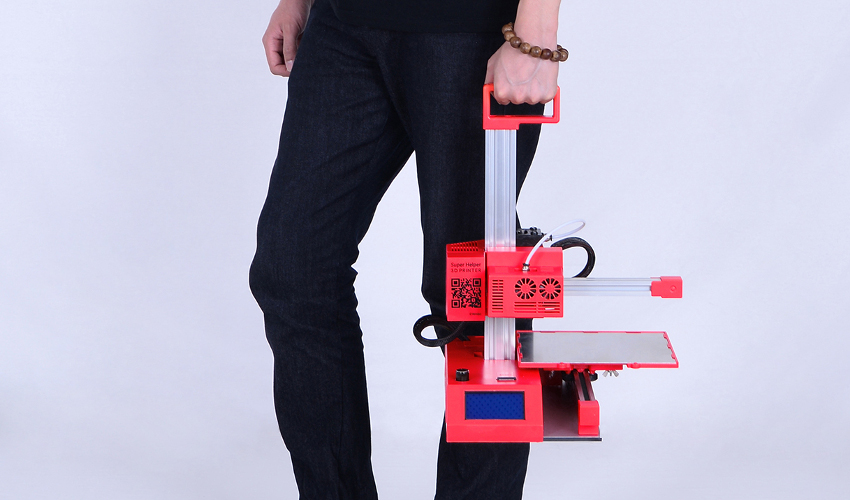 PrintersLab 3Dnatives: Testing the 3D printer Winbo SH105As summer starts coming to a close, we decided to mark this with a test of the Chinese printer Winbo SH105. Little known to the general public, the brand offers around 19 different FDM machines, with prices ranging from $199…
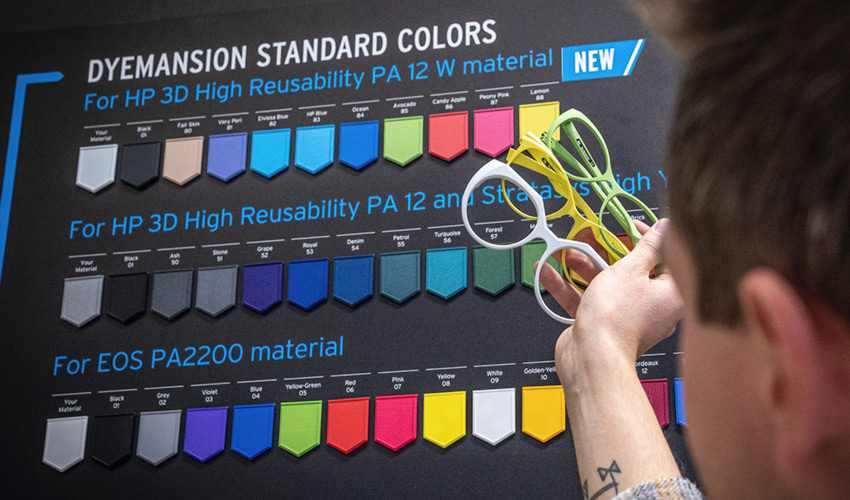 GuidesDyeMansion on the Value of Events Like RAPID + TCT in Driving the AM Industry ForwardWith two weeks to go before RAPID + TCT begins, the excitement continues to build around the extensive lineup of exhibitors set to showcase their innovations in additive manufacturing. This event, taking place from June 25-27 in Los Angeles, California,…
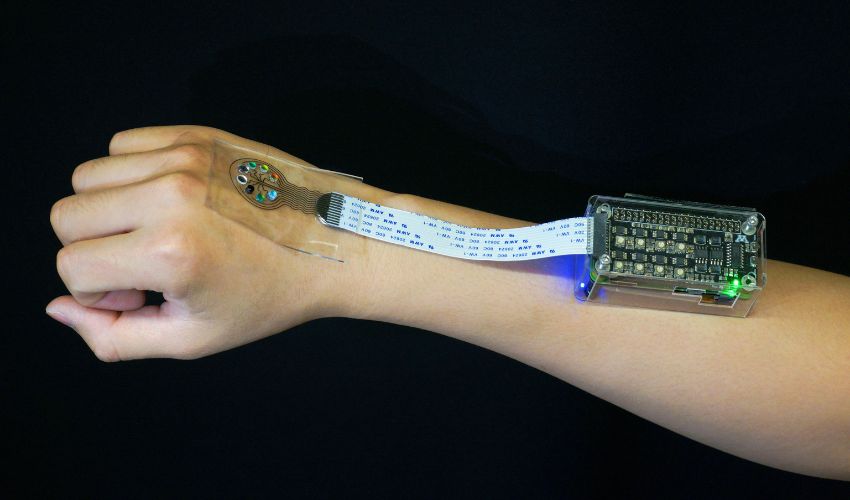 Applications3D Printing is Helping Doctors to Treat LupusOnce again, doctors are turning to 3D printing to solve unique issues in the field of medicine. In this case, engineers and doctors at the University of Minnesota Twin Cities used the technology to develop a unique light-sensing medical device…