Applications
3D printed corneas to prevent corneal blindness
The World Health Organisation estimates that 10 million people worldwide require surgery to prevent corneal blindness. A further 4.9 million already suffer from complete blindness due to corneal scarring. The cornea is the transparent first layer of the eyes that…
- 3 min read
- Applications
- Six more stories
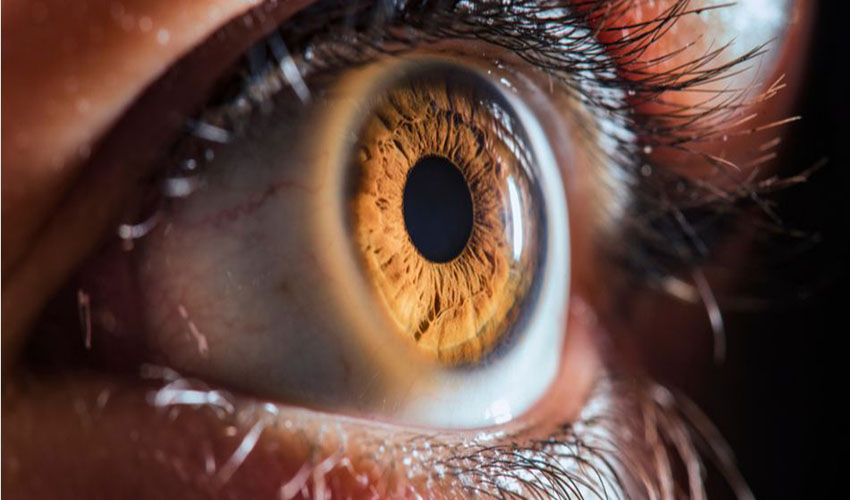
The World Health Organisation estimates that 10 million people worldwide require surgery to prevent corneal blindness. A further 4.9 million already suffer from complete blindness due to corneal scarring. The cornea is the transparent first layer of the eyes that light goes through and is essential to vision. With not nearly enough donors supplying transplantable corneas, a revolution in this field of medicine is greatly needed. The solution is pointing to 3D bio-printing.
3D Printed Corneas
Earlier this year, researchers from the University of Newcastle developed a 3D printed artificial cornea for the first time. After studying a volunteer’s eye, they had gathered enough data and could design a 3D model of the cornea. One of the most challenging aspects, Che Connon (tissue engineer) explains was using the right materials to hold the concave shape as well as finding an ink thin enough to squirt through a 3D printer’s nozzle. Using only one healthy human cornea they were able to 3D print 50 artificial ones; a breakthrough advancement in ophthalmology.
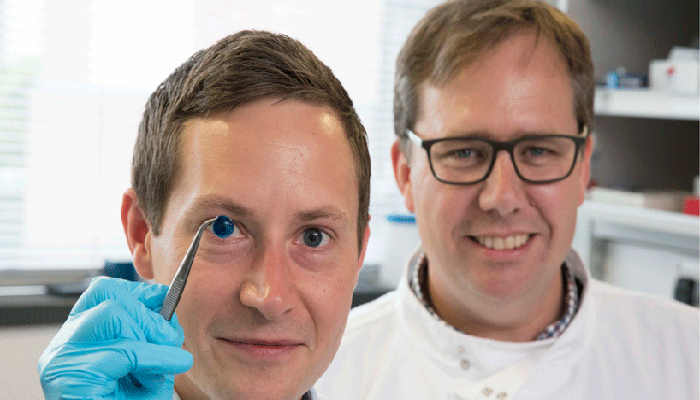
The two creators of the artificial cornea | Source: Newcastle University
4D Biomaterials to Offer New Possibilities
Now, coming from the same University, Martina Miotto, a post-doctoral researcher in tissue engineering has created a self-assembling cornea from 4D biomaterials. 4D biomaterials change shape or even function when exposed to specific external stimuli.
More from the desk
Six other notes from the rest of the bench.
 NewsSee3D; Brings sight to the visually impaired with 3D printing3D printing has in many ways helped people and the development in various areas. From the implementation in different education systems to how it has helped in developing the medical sector. One organisation that has found a way to help people…
 NewsAether and Procter & Gamble partner up to develop cutting edge 3D printing and AI technologiesAether, the San Francisco-based startup offers AI-enhanced 3D bioprinting. As a matter of fact, it has just received a two-year joint agreement with Procter & Gamble (P&G), a multinational consumer goods giant. The two companies have announced they will work…
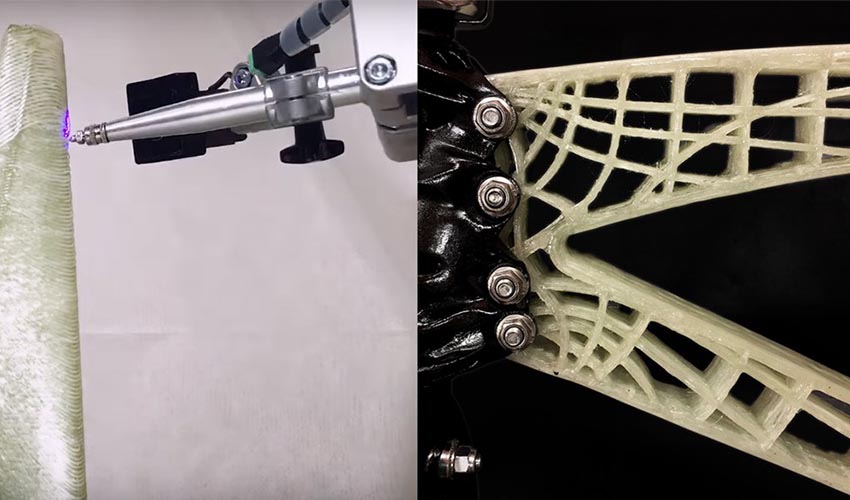 Guidesmoi: redefining manufacturing by 3D printing compositesComposites manufacturing is a form of additive manufacturing that enables more structural efficiency for the finished part. Instead of creating a part layer by layer on a flat surface as you would with a 3D printer, this method manufactures in…
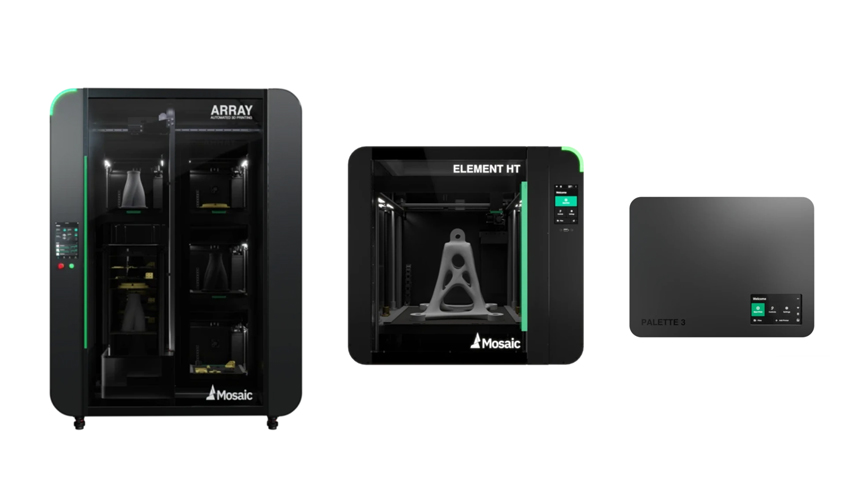 PrintersMosaic Manufacturing: Multiple Materials, Infinite PotentialMosaic Manufacturing is a Canadian company that made a name for itself in 2014 with Palette. This piece of equipment connects to a FDM 3D printer and allows for multi-color and multi-material parts without having to modify the extruder. Based…
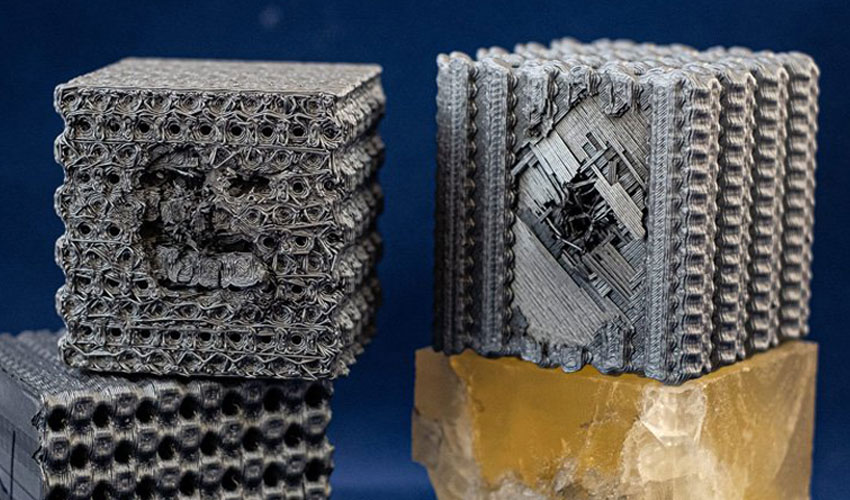 News3D printed polymer cubes can resist bullet impactAt Rice University in Houston, researchers have created 3D printed cubes from polymer that can withstand bullets. Their secret lies in the very design of these cubes, composed of different lattice structures that make them much more resistant. It is…
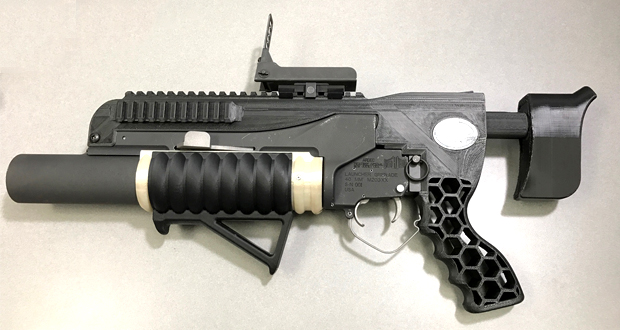 News3D printable gun files on sale for as low as $12 on the dark-web3D-printed weapons have been a major industry controversy since 2013. On May 6, 2013, Cody Wilson, the Senior Representative of the group Defense Distributed, unveiled and distributed the first weapon created with 3D printing, the “Liberator”. In only two days time&he